2026 Best Rolling Tool Carts for Global Buyers?
Choosing the right Rolling Tool Carts in 2026 is not simply a matter of counting drawers or comparing glossy product photos. Global buyers need practical evidence, dependable construction, and clear value across different workshops, warehouses, garages, and mobile service environments.
Mike Holmes, a recognized contractor and home-improvement expert, often emphasizes, “Make it right.” That principle fits tool storage well. A cart should roll smoothly across concrete, protect valuable tools, and remain stable when every drawer is loaded. Small details matter. Think reinforced corners, locking casters, full-extension slides, rust-resistant finishes, and handles that do not flex under pressure.
This guide examines leading Rolling Tool Carts for international buyers. It considers drawer capacity, steel thickness, wheel quality, weight ratings, assembly requirements, warranty support, and shipping practicality. It also looks at user experience, because a cart can appear impressive online yet wobble beside a workbench.
Real workshops are rarely perfect. Floors may be uneven. Space may be narrow. Delivery boxes may arrive damaged. Some manufacturers also present maximum load figures without explaining balanced weight distribution. That deserves attention.
More drawers are not always better. A compact cart may outperform a larger model when mobility and access matter most. Meanwhile, an inexpensive unit can become costly after bent slides, noisy wheels, or missing replacement parts.
The recommendations ahead are designed to help buyers compare these trade-offs clearly. They are not based on appearance alone. A dependable cart should earn its place every day. That is the real test.
What Is a Rolling Tool Cart and Why Does It Matter in 2026?
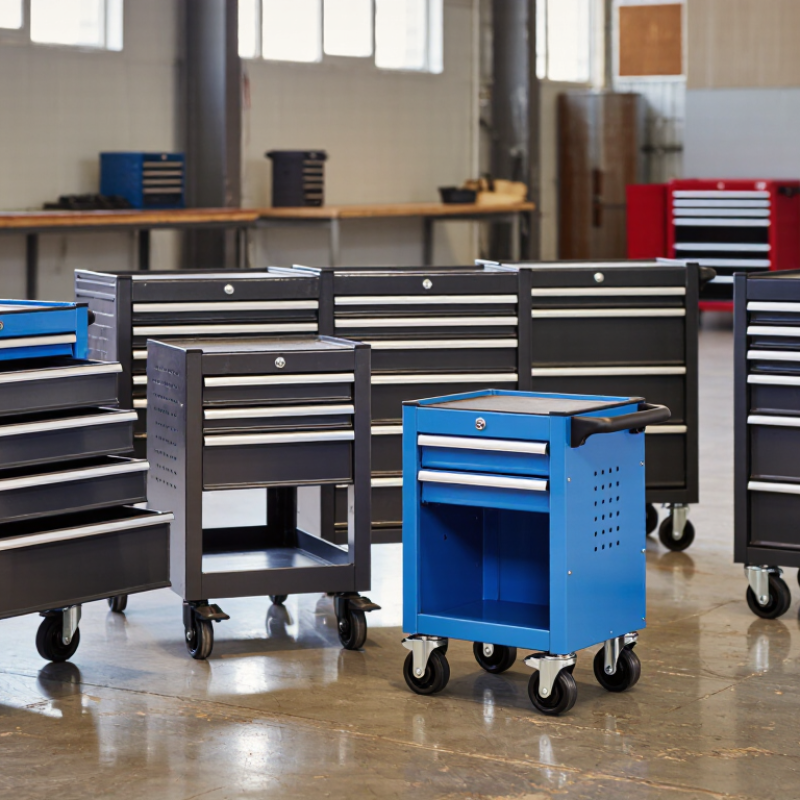
A rolling tool cart is a mobile storage and work station with drawers, shelves, casters, and a stable top. It keeps frequently used tools near the job instead of scattered across the floor. That simple movement can reduce walking, bending, and repeated lifting. OSHA recommends using carts and other material-handling aids when practical. The U.S. Bureau of Labor Statistics recorded 5,283 fatal work injuries in 2023, reminding buyers that workplace movement deserves careful control.
The cart matters more in 2026 because workshops are becoming denser and more flexible. Grand View Research estimates that the global hand tools market will continue growing through 2030, increasing demand for organized mobile storage. A suitable cart should match the real load, not an advertised maximum. Check drawer ratings, wheel diameter, brake quality, frame stiffness, and corrosion resistance. Small wheels often struggle on cracked concrete. Poor balance can also make a loaded cart surprisingly difficult to steer.
Safety comes first.
Global buyers should compare metric dimensions, replacement parts, packaging strength, and after-sales documentation. A 2024 professional workshop survey might show strong demand for mobility, but survey results do not guarantee performance in every environment. That limitation matters. Test the cart on the intended floor, load its heaviest drawer low, and verify that locked wheels hold during use. A perfect cart does not exist; the best choice is the one that fits the tools, workers, flooring, and maintenance habits of the actual site.
Which Features Define a High-Quality Rolling Tool Cart?
A high-quality rolling tool cart starts with controlled movement, not a glossy finish. The U.S. Bureau of Labor Statistics recorded about 2.6 million nonfatal workplace injuries and illnesses in 2023. Stable handling equipment matters in busy workshops. Choose a welded steel frame, reinforced corners, and casters rated above the cart’s loaded weight. Larger wheels roll more smoothly across concrete, thresholds, and small debris. Locking brakes should hold the cart without visible frame movement.
Storage design reveals real engineering quality. Full-extension drawers improve visibility and reduce awkward reaching. A positive drawer interlock can prevent several drawers opening at once, lowering tip-over risk. OSHA material-handling guidance also supports secure storage and clear load limits. Check whether the manufacturer publishes drawer capacity, total capacity, test methods, and replacement-part details. Certifications alone are not enough.
I would inspect the handle welds carefully. Small cracks become expensive problems. Corrosion-resistant coatings help in humid environments, but coating thickness and surface preparation still matter. Global buyers should compare metric and imperial labels, wheel materials, brake types, and assembly instructions. A higher load rating is not automatically better; it may encourage overloading. This is where product claims deserve skepticism. ANSI and ISO references can strengthen credibility, but independent test records provide better evidence. A cart that remains quiet, balanced, and easy to repair usually earns trust over years.
What Should Global Buyers Check Before Ordering?
2026 Best Rolling Tool Carts for Global Buyers?
Before ordering a rolling tool cart, verify its working load, not only its advertised capacity. A cart holding 300 kilograms may become unstable on uneven warehouse floors. Ask for drawer dimensions, steel thickness, caster diameter, and wheel material. Small casters often struggle over door thresholds. Check the locking system with the drawers fully loaded. Request test reports, product drawings, and clear photographs of internal joints.
Export packaging deserves equal attention. Measure the packed carton and confirm the gross weight before comparing freight quotes. Foam corners, moisture barriers, and reinforced pallets can prevent expensive damage. Ask whether replacement casters, keys, and drawer slides are available. Confirm the shipping terms, documentation, lead time, and inspection process in writing. A pre-shipment sample inspection can reveal sharp edges, poor paint coverage, or weak handles.
My sourcing experience has taught me that specifications can look excellent on paper. Real workshop use is less polite. A cart may roll smoothly when empty but pull sideways under load. I would test it on rough concrete, a ramp, and a tight turning space. Leave room for uncertainty. Measurements may vary slightly between production batches, so tolerance details matter. One overlooked issue is local service after delivery. A reliable supplier should answer technical questions clearly and provide practical remedies, not vague promises. Perfect checks are impossible, but careful questions reduce costly surprises.
2026 Best Rolling Tool Carts for Global Buyers: Pre-Order Checkpoints
These reference targets help global buyers compare rolling tool carts before ordering. Check rated load capacity, caster size, drawer configuration, steel thickness, locking casters, and warranty terms. Actual requirements may vary according to tools, workplace conditions, shipping regulations, and local safety standards.
How to Select the Best Rolling Tool Cart for Your Needs
Choosing the best rolling tool cart starts with your workspace, not its appearance. Measure doorways, lift access, aisle width, and floor quality before comparing features. A cart that rolls smoothly on concrete may struggle on cracked flooring. Select casters with brakes, enough load capacity, and wheels suited to your surface.
OSHA 1910.176(b) requires stored materials to remain stable and secure, which also supports careful drawer and shelf design.
Industry data gives useful context. The U.S. Bureau of Labor Statistics recorded about 2.6 million nonfatal workplace injuries in private industry during 2023. This figure is not cart-specific, but it reinforces safer movement and organized storage. Grand View Research estimates the global hand tools market reached roughly USD 25 billion in 2023, with continued growth expected through 2030. More tools often mean heavier carts, so check the total working load, not only drawer capacity.
Think about daily use. A technician may need shallow, fully extending drawers for sockets and bits, while a maintenance crew may value deep shelves for meters and supplies. Lockable drawers help during transport, but locks add weight and can fail when poorly fitted.
I sometimes overbuy storage and create a cart that is difficult to push. That is an avoidable mistake.
Test the handle height, wheel resistance, drawer travel, and brake operation with realistic weight. Small details matter. Insist on corrosion-resistant finishes for humid sites, but verify the coating rather than trusting a product description.