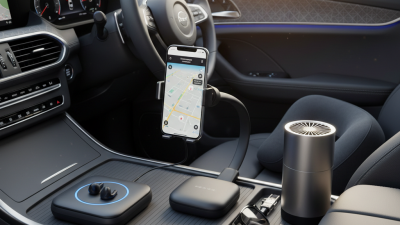
What Are the 2026 Top Auto Accessories for Global Buyers?
Global buyers are entering 2026 with sharper expectations for auto accessories. They want useful upgrades, not decorative clutter. A popular product must fit different vehicles, climates, driving habits, and safety requirements.
Richard Reina, an automotive product-training expert at CARiD, offers a practical reminder: “Fitment comes before fashion.” That principle remains important. A smart dash camera should preserve visibility and support reliable recording. A tire inflator should show pressure clearly, even beside a dark roadside. EV owners may prefer organized charging cables, weather-resistant storage, and accessories designed around battery systems. These details can influence daily confidence more than a glossy product image.
This guide examines the 2026 accessories gaining attention among international buyers. It considers advanced phone mounts, all-weather floor protection, roof-storage systems, portable power tools, vehicle air purifiers, and connected safety devices. Product quality matters, but compatibility matters more. Buyers should check model year, steering position, connector standards, load ratings, warranty terms, and local certification before purchasing.
Some trends deserve caution. “Smart” does not always mean dependable. A low-cost tracker may drain the battery or create privacy concerns. A stylish roof box may increase wind noise and reduce fuel efficiency. Even sustainable materials can disappoint when stitching fails after one season.
The market is moving quickly. Yet careful testing still matters. This overview separates useful innovation from temporary hype, helping global buyers choose auto accessories that perform clearly, safely, and consistently. Mistakes remain possible. That is why honest specifications, verified reviews, and supplier support should guide every purchase.
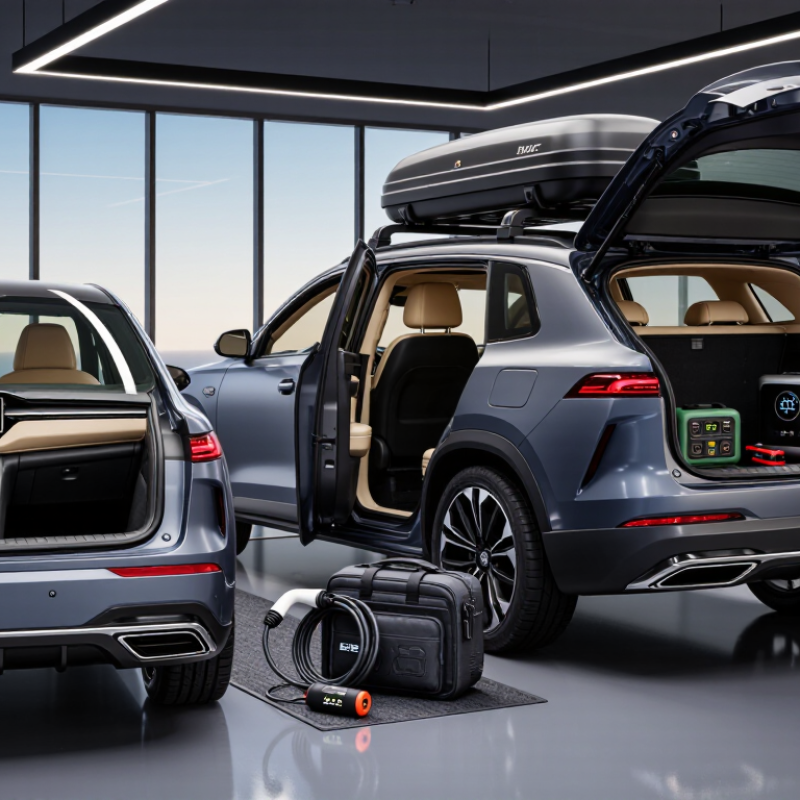
2026 Market Baseline: OICA’s 93.5M-Vehicle Output and Accessory Demand
What Are the 2026 Top Auto Accessories for Global Buyers?
OICA’s reported 93.5 million vehicles produced establishes a powerful 2026 demand baseline. Every new vehicle creates opportunities for practical, compatible accessories. Global buyers are prioritizing dash cameras, custom floor protection, compact tire inflators, phone mounts, and trunk organizers. These products address daily problems, not temporary fashion.
Fitment still matters. Accessories should match vehicle dimensions, connector types, climate conditions, and local driving habits. In tropical markets, heat-resistant materials and ultraviolet protection deserve close inspection. In colder regions, durable wiper systems, emergency lighting, and insulated storage can be more useful. Buyers should request test samples, installation instructions, and material specifications before placing large orders. Small details decide.
Safety and compliance also shape purchasing decisions. Electrical accessories need stable voltage control and dependable insulation. Lighting products must respect local visibility rules. A low price can hide weak adhesives, poor stitching, or inaccurate measurements. That risk becomes expensive after returns and customer complaints. The forecast is not perfect, either. Production volume does not automatically equal accessory demand, because vehicle types, income levels, and import policies differ widely. Still, the 93.5 million-unit baseline gives procurement teams a measurable starting point. I would leave room for smaller trial orders. Market assumptions often look convincing until real buyers respond.
EV Essentials: IEA’s 17M+ 2024 Sales Signal Charging-Accessory Growth
The International Energy Agency reported more than 17 million electric cars sold worldwide in 2024. That figure signals rising demand for practical charging accessories. Global buyers now need more than a charging cable.
A dependable home wall charger can support overnight charging and reduce daily planning. Buyers should check voltage, connector type, weather protection, and installation requirements before purchasing. A portable charger adds flexibility during travel, especially near limited public infrastructure. Keep one in the vehicle.
Cable organizers prevent loose wires from collecting dust or touching wet ground. A weather-resistant storage case protects connectors in changing climates. A compact tire inflator, emergency light, and insulated gloves can also improve roadside readiness. These are small details. They matter.
Charging adapters may solve regional compatibility issues, but specifications require careful review. Not every adapter supports the same power level or safety function. Certified electrical installation remains important, even when setup appears simple. A cheaper accessory can become expensive after overheating, poor fit, or early failure. Buyers should compare technical documents, warranty terms, and local charging standards. I still see purchasing lists that focus on speed alone. That is an incomplete measure. Reliability, repair access, and daily convenience deserve equal attention.
Connected Driving: GSMA’s IoT Data Supports 5G Telematics Expansion
Global buyers are prioritizing auto accessories that make driving more connected, measurable, and responsive. The strongest options now include 5G telematics units, smart tire sensors, compact dash cameras, and vehicle health monitors. These tools collect location, driving, maintenance, and safety data through connected networks.
GSMA’s IoT data highlights growing support for connected mobility and wider 5G telematics adoption. Faster networks can reduce communication delays between vehicles, cloud platforms, and service teams. For buyers, this may mean quicker fault alerts, more accurate fleet tracking, and smoother over-the-air service updates. A small dashboard module can report engine warnings before a driver notices unusual vibration.
Technicians should check network compatibility, installation standards, encryption, and regional privacy requirements before purchasing. A low-cost device may appear attractive, yet unreliable sensors can create unnecessary repairs or missed warnings. Experience from vehicle maintenance shows that simple installation often outperforms complicated systems that drivers ignore. Still, 5G coverage varies between cities, highways, and rural areas. That assumption needs testing. Buyers should compare local coverage maps, subscription terms, power consumption, and support quality. Connected accessories are useful, but they are not automatically intelligent. Careful calibration and regular software updates remain essential for dependable telematics performance.
Global Buying Matrix: Compare S&P Global Mobility’s Vehicle-Parc Needs
A useful 2026 accessory strategy starts with the vehicle parc, not fashion. S&P Global Mobility reported that the average U.S. vehicle age reached about 12.6 years in 2024. Older vehicles need practical upgrades, including tire-pressure monitors, LED replacement lamps, cabin filters, and compact emergency power banks. These products support daily reliability without changing factory safety systems. Yet this market is easy to misread. A universal fit is rarely truly universal.
The global matrix should separate mature combustion fleets, hybrid growth, and newer electric vehicles. The International Energy Agency reported more than 17 million electric cars sold worldwide in 2024. Electric-focused accessories should therefore include weather-resistant charging-cable storage, low-voltage tire inflators, and cabin organizers. In colder regions, thermal covers matter. In hot climates, reflective windshield shades and durable seat ventilation cushions are more relevant. S&P Global Mobility’s parc approach also highlights differences in vehicle age, body style, and annual mileage across markets.
Tips: Match every product to voltage, connector type, climate, and vehicle year. Check local certification requirements before import. Avoid accessories that interfere with airbags, sensors, or driver visibility. Test packaging in realistic shipping conditions; a cracked plastic clip can ruin an otherwise strong product. I would also review return data every quarter. Early forecasts are useful, but they are not always right.
What Are the 2026 Top Auto Accessories for Global Buyers?
Global buying matrix: vehicle-parc signals that influence accessory demand
Global electric-car sales increased from approximately 3 million units in 2020 to nearly 17 million in 2024. This vehicle-parc shift supports strong sourcing potential for charging cables, vehicle adapters, cabin organizers, protective accessories, and smart connectivity products. Figures are rounded and represent global electric-car sales, not accessory sales.
Source: International Energy Agency, Global EV Outlook 2025.