What is Aluminum Industrial Profile and its Benefits for Buyers?
Aluminum Industrial Profiles play a vital role in various industries. These profiles are versatile materials used in construction, automotive, and aerospace sectors. According to a report from the International Aluminum Institute, the demand for aluminum profiles increased by 5% in 2022, reflecting their growing importance. Experts believe that the material's lightweight nature enhances energy efficiency in applications.
Dr. Emily Chen, a leading expert in aluminum materials, notes, "Aluminum Industrial Profiles offer unmatched strength-to-weight ratios." This quality makes them ideal for modern engineering challenges. Buyers can benefit from reduced shipping costs and improved structural performance when opting for these profiles.
However, it is essential to acknowledge the industry's ongoing challenges. The production process can be energy-intensive, raising sustainability concerns. Additionally, fluctuating raw material costs can impact pricing. Buyers must remain informed and adaptable in this evolving market. Understanding the strengths and limitations of Aluminum Industrial Profiles can lead to more informed purchasing decisions.
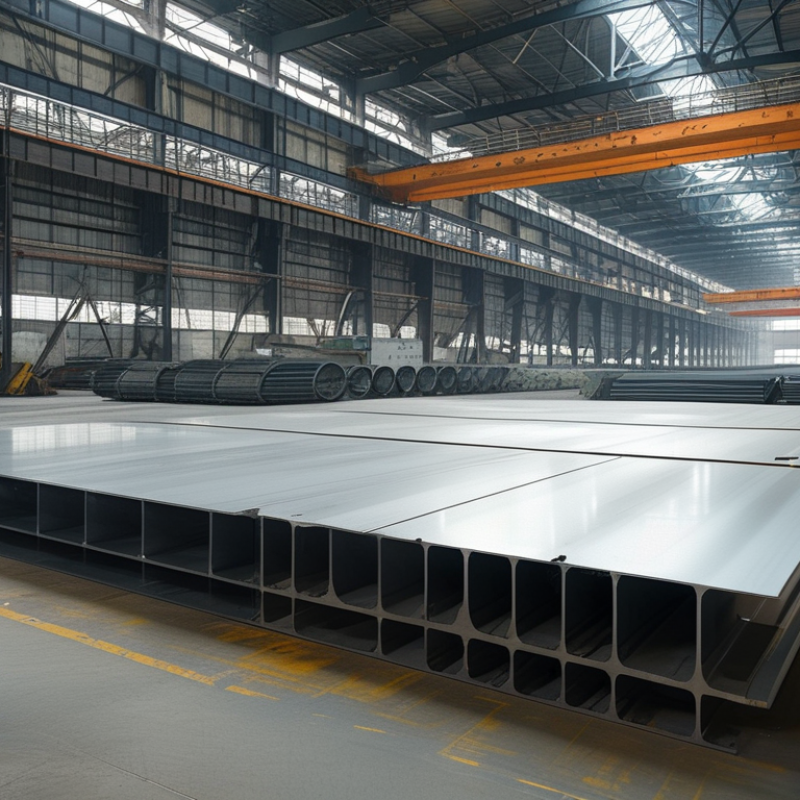
Definition and Overview of Aluminum Industrial Profiles
Aluminum industrial profiles are versatile structural components made from aluminum. They come in various shapes and sizes, tailored to meet specific application needs. These profiles are extensively used in construction, transportation, and manufacturing due to their lightweight yet robust nature. According to industry reports, the global aluminum extrusion market is projected to grow significantly, reflecting a surge in demand from various sectors.
The primary benefits of aluminum profiles include excellent corrosion resistance and high strength-to-weight ratios. Industries favor aluminum profiles since they simplify transportation and reduce overall energy consumption. Data indicates that using aluminum in construction can lower life-cycle costs by up to 30%. Additionally, aluminum is recyclable, promoting sustainability within industrial operations, an essential consideration today.
Tip: Consider the local supply chain for aluminum profiles. This can reduce lead times and minimize transportation costs. Also, evaluate the profile's design flexibility. Custom profiles can optimize material usage and improve functionality. Remember, proper material selection can significantly impact project success.
Key Manufacturing Processes of Aluminum Profiles
Aluminum profiles are essential in many industries due to their lightweight, strength, and versatility. The manufacturing process of these profiles typically involves several key methods, each contributing to their quality and application. One widely used method is extrusion, where aluminum alloy is forced through a mold to create desired shapes. This process allows for high precision and complex designs, making it ideal for various applications like construction and automotive industries.
Another significant technique is rolling, which involves flattening aluminum sheets to specific thicknesses. According to industry reports, rolled aluminum can achieve excellent surface finishes and mechanical properties. This method is suitable for applications requiring strong, flat surfaces, such as in packaging and structural components.
However, despite these advantages, there are challenges. Extruded profiles may sometimes show inconsistencies in wall thickness or surface quality. Addressing these issues requires careful monitoring during production. Investments in advanced technology for quality control are crucial. They ensure reliability and enhance the overall effectiveness of aluminum profiles in end-use applications.
Aluminum Profiles Production Overview
Major Applications of Aluminum Profiles in Various Industries
Aluminum profiles have become essential in various industries due to their versatility and strength. In the construction sector, they are used for window frames, doors, and curtain walls. These profiles provide a lightweight yet durable solution, enhancing energy efficiency in buildings. Moreover, their resistance to corrosion makes them ideal for both indoor and outdoor applications.
In the automotive industry, aluminum profiles play a critical role. They are used in vehicle body structures, supporting parts like frames and chassis. This approach reduces weight, leading to improved fuel efficiency. However, the challenge lies in balancing strength and weight. Many manufacturers are still testing new formulations to optimize performance.
The aerospace sector also benefits significantly from aluminum profiles. Aircraft rely on lightweight materials to improve fuel efficiency and performance. Using aluminum contributes to significant weight savings, yet ensuring structural integrity remains a complex task. Engineers continually seek advancements in aluminum technology to maintain safety and efficiency. These applications highlight the ongoing evolution and potential of aluminum profiles in industry.
Advantages of Using Aluminum Profiles for Buyers
Aluminum profiles have gained significant popularity across various industries due to their lightweight nature and high strength. According to a recent industry report by the International Aluminum Institute, the demand for aluminum profiles is projected to grow by 6% annually, driven by their versatility and sustainability. This growth is attributed to their applications in construction, automotive, and manufacturing sectors.
One key advantage for buyers is the corrosion resistance of aluminum. Unlike other metals, aluminum can withstand harsh environments without degrading quickly. This property leads to lower maintenance costs over the product’s lifespan. Also, the thermal conductivity of aluminum makes it an excellent choice for building energy-efficient structures. In fact, energy savings can reach up to 30% when using aluminum windows and doors compared to traditional materials.
Tips: Consider how different finishes and alloy compositions can affect the performance of aluminum profiles. Understanding these aspects can help maximize benefits. Always evaluate suppliers' expertise and production capabilities to ensure high-quality products.
Economic and Environmental Benefits of Aluminum Profiles
Aluminum profiles offer several economic benefits to buyers. They are lightweight yet strong, making them ideal for various applications. This strength allows for reduced shipping costs, as less material is needed to achieve the same structural integrity. Manufacturers often find that aluminum’s malleability leads to faster production times, ultimately saving money.
On the environmental side, aluminum is 100% recyclable. This feature reduces waste and lowers energy consumption in manufacturing processes. Recycling aluminum requires only 5% of the energy needed to produce new aluminum. However, it is essential to balance the benefits with the environmental impact of extraction and processing. Thoughtful consideration is needed to ensure a sustainable supply chain.
Buyers must also consider the long-term value of aluminum profiles. While initial costs may be higher than other materials, the longevity of aluminum can lead to savings over time. Its resistance to corrosion and wear means fewer replacements. However, some may overlook these benefits in favor of cheaper alternatives, leading to increased costs down the line. This highlights the importance of thorough evaluation when selecting materials for projects.
What is Aluminum Industrial Profile and its Benefits for Buyers? - Economic and Environmental Benefits of Aluminum Profiles
| Dimension | Details | Economic Benefit | Environmental Benefit |
| Weight | Lightweight material, reducing transportation costs | Lower shipping expenses | Reduces carbon footprint in logistics |
| Durability | Corrosion-resistant and long-lasting performance | Reduced maintenance costs | Less waste from replacements |
| Recyclability | Can be recycled multiple times without loss of quality | Cost savings on raw materials | Supports a circular economy |
| Versatility | Applicable in various sectors - construction, automotive, etc. | Wider market applicability increases sales | Allows for innovative design in eco-friendly projects |
| Aesthetic Appeal | Modern, sleek finish suitable for various applications | Increased market value due to better appearance | Encourages the use of green buildings |