| 1 |
Match the transmission identification code |
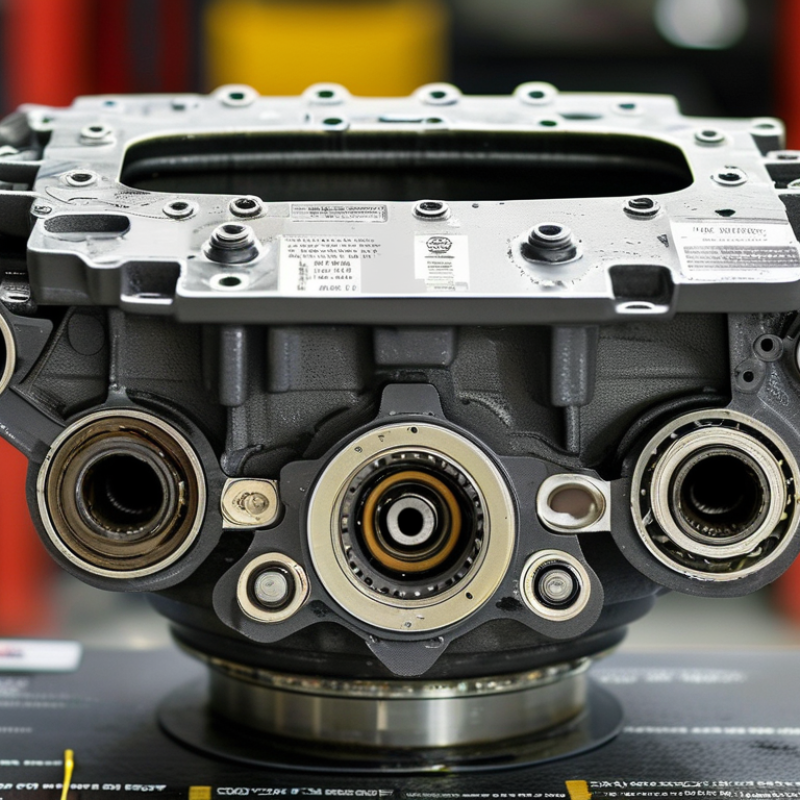
Record the complete stamped or cast transmission code, including suffixes, revision letters, and production markings. Do not rely only on the vehicle model or engine size. |
Clear photographs of the identification label, casing stamp, barcode, and build plate, cross-checked against a technical parts catalogue. |
Two units may have the same gear count but different internal ratios, valve bodies, sensors, or mounting points. |
| 2 |
Verify vehicle identity and production date |
Confirm the 17-character VIN, model year, engine displacement, fuel type, drive layout, body style, and assembly or production month when available. |
VIN decoding record, registration document, original build sheet, or manufacturer service information. |
Mid-year design changes can affect wiring, sensors, software calibration, and transmission mounting even within one model year. |
| 3 |
Check the number of forward speeds and ratios |
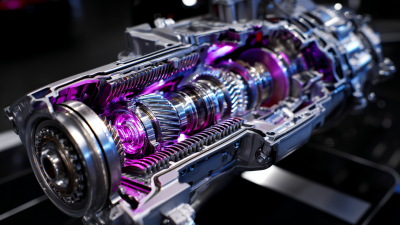
Compare the number of forward gears, reverse ratio, final-drive ratio, and gear-ratio sequence. A six-speed unit is not automatically interchangeable with every other six-speed unit. |
Official ratio chart, repair manual, transmission data sheet, or measured specification from the exact transmission code. |
Different ratios can cause incorrect shift points, abnormal engine speed, speedometer errors, or excessive drivetrain load. |
| 4 |
Confirm physical dimensions and mounting points |
Measure overall length, casing width, mounting-hole pattern, bellhousing interface, output-shaft position, axle-centerline height, and transmission mount location. |
Dimensioned drawings, workshop measurements, installation photographs, and comparison with the original unit. |
A small difference in mount position or output-shaft length may require structural modification or prevent correct driveshaft alignment. |
| 5 |
Match input, output, and torque-converter specifications |
Verify input-shaft spline count and diameter, torque-converter pilot diameter, converter bolt pattern, output-shaft spline, differential arrangement, and rated torque capacity. |
Engineering drawings, spline measurements, torque-converter specification sheet, and the vehicle drivetrain service manual. |
A physically similar unit may fail to engage the crankshaft, driveshaft, differential, or torque converter correctly. |
| 6 |
Validate electronics and control-system compatibility |
Check connector shape and pin count, input and output speed sensors, range sensor, solenoid arrangement, controller type, communication network, and software or adaptation requirements. |
Wiring diagrams, connector pinouts, diagnostic scan data, control-unit part references, and relearn procedures. |
The transmission may bolt in but remain in failsafe mode, shift harshly, or fail to communicate with the vehicle control network. |
| 7 |
Confirm fluid, service history, and inspection condition |
Verify the required automatic-transmission fluid specification, approximate fill volume, cooler-line layout, mileage, donor-vehicle history, leak status, and functional test results. |
Fluid specification from the service manual, maintenance records, pressure-test report, diagnostic scan, and documented road or bench test. |
Using an incorrect fluid or accepting an untested unit can lead to clutch slip, overheating, delayed engagement, or premature wear. |