What is Automatic Transmission Benefits and How Does It Work?
Automatic transmission is a crucial feature in modern vehicles, enhancing both convenience and driving pleasure. This technology allows for smooth gear changes without driver intervention. Many people prefer automatic transmission for its ease of use, especially in heavy traffic. It reduces driver fatigue, making long commutes more comfortable.
The benefits of automatic transmission extend beyond comfort. These systems optimize engine performance, improving fuel efficiency. However, this complexity can lead to higher repair costs. Drivers may face challenges with maintenance, as automatic transmissions require special care.
While automatic transmission offers numerous advantages, it's essential to consider potential downsides. Not everyone enjoys the driving experience with an automatic system. Enthusiasts often appreciate the control of manual transmission. As technology advances, understanding how automatic transmission works will help drivers make informed choices.
What is Automatic Transmission and Its Key Components
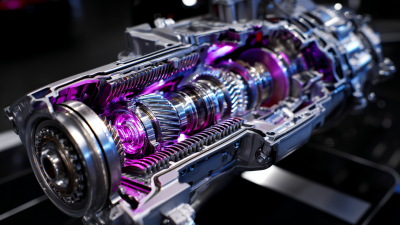
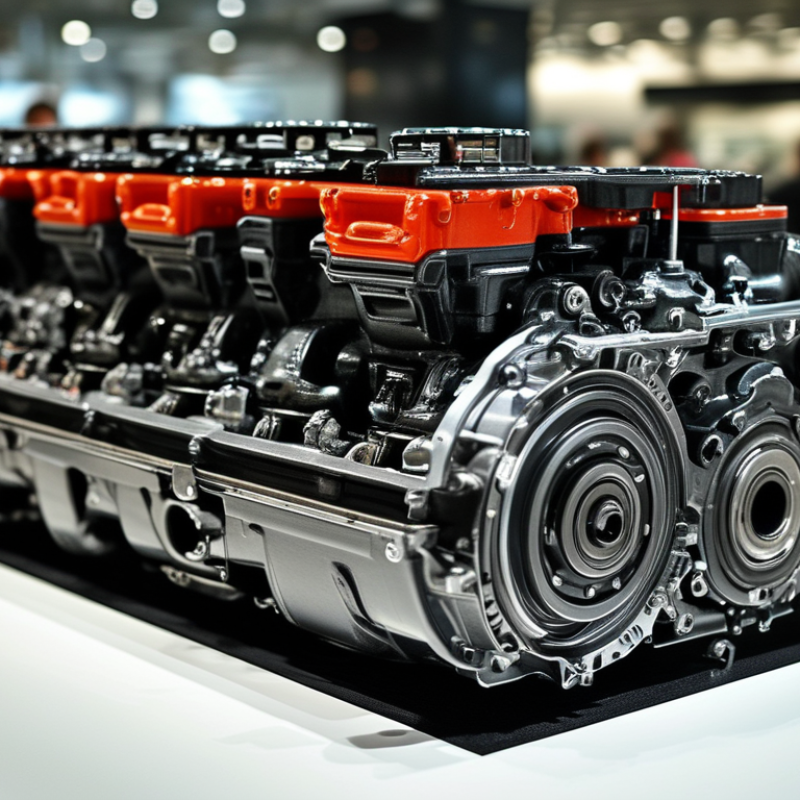
Automatic transmission is a complex system that allows for seamless gear shifting without driver intervention. Key components include the torque converter, planetary gear sets, and hydraulic systems. The torque converter transfers engine power to the transmission, enhancing fuel efficiency. This system typically operates on the principle that different gear ratios improve performance and efficiency at various speeds.
Research from industry experts indicates that nearly 80% of new cars sold in the U.S. come with automatic transmissions. The growing popularity is tied to convenience and ease of use. However, some argue that automatics can reduce driver engagement, impacting the driving experience. Additionally, the complexity of automatic systems can lead to higher maintenance costs, pointing to a potential drawback.
Modern automatic transmissions often include adaptive learning technology. These systems adjust to driving habits, optimizing shifting patterns. Yet, this technology can sometimes feel erratic, leaving drivers questioning its responsiveness. The balance between innovation and usability remains a key focus for manufacturers, signaling room for improvement in driver satisfaction.
The Working Mechanism of Automatic Transmission Systems
Automatic transmission systems have transformed the driving experience by simplifying gear shifts. Understanding the mechanism is crucial for appreciating its advantages. Most automatic transmissions use a system of hydraulic controls and clutches to facilitate smooth gear changes. According to a report by the International Council on Clean Transportation, about 40% of new vehicles in the U.S. equipped with automatic transmissions improve fuel efficiency by 5-10% compared to manuals.
The hydraulic system engages various gears as the vehicle accelerates or decelerates. Sensors monitor vehicle speed and engine load. This data allows the transmission to select the appropriate gear automatically. Interestingly, the flexibility in gear ratios can optimize performance. However, complexity arises in maintenance. Automatic systems require specialized knowledge for repairs. A report from the Society of Automotive Engineers indicates that premature failure rates are higher than expected, contributing to increased repair costs.
In day-to-day driving, automatic transmissions reduce driver fatigue. They allow for seamless operation in stop-and-go traffic. However, many drivers may find themselves overly reliant on this technology. This dependency can hinder their understanding of manual driving skills. Addressing these concerns is essential for every driver aiming for proficiency in vehicle operation.
What is Automatic Transmission Benefits and How Does It Work?
| Feature |
Description |
Benefits |
| Ease of Use |
Automatic transmissions eliminate the need for manual gear shifting. |
Enhances driving comfort, especially in heavy traffic. |
| Fuel Efficiency |
Modern automatic transmissions optimize gear shifts for better fuel consumption. |
Can lead to lower fuel costs over time compared to manual transmissions. |
| Performance |
Automatic systems adjust gears based on driving conditions. |
Improves acceleration and overall driving performance. |
| Reduced Driver Fatigue |
Less physical effort required from the driver. |
Longer, more enjoyable drives with minimized exhaustion. |
| Safety |
Automatic transmissions allow for more focus on the road. |
Can enhance safety by reducing distractions from gear changes. |
Benefits of Automatic Transmission Over Manual Transmission
Automatic transmissions have surged in popularity due to their numerous advantages over manual transmissions. One significant benefit is ease of use. Drivers can focus on the road, rather than shift gears. A report from the Automotive Research Center indicates that automatic transmissions account for approximately 70% of new vehicle sales in the U.S. This shift reflects changing consumer preferences for convenience.
Fuel efficiency has also improved with automatic systems. Modern automatic transmissions can optimize gear changes better than most human drivers. According to a study by the Society of Automotive Engineers, fuel consumption in vehicles with automatic transmissions improved by an average of 5-10% over manual counterparts.
Despite these benefits, some still argue that manual transmissions offer more control and connection to the driving experience. However, the decline in manual transmission popularity suggests many drivers prioritize convenience and efficiency. The landscape of automotive technology continues to evolve, reflecting changing needs and preferences. Balancing performance and practicality remains essential in this industry.
Industry Statistics on Automatic Transmission Adoption Rates
The adoption of automatic transmissions has soared in recent years. Industry statistics reveal that nearly 80% of new vehicles sold in certain markets feature automatic transmissions. This shift highlights a trend toward convenience and comfort in driving. Many recent surveys indicate that consumers favor automatic systems for their ease of use, particularly in urban environments.
As more drivers embrace these technologies, manufacturers are investing heavily in related innovations. In fact, automatic transmission technology has improved significantly. Many now include features like adaptive transmissions that adjust to driving conditions. However, despite these advancements, questions remain about long-term maintenance and the complexity of these systems. Repair costs can be a concern for many drivers.
Challenges still exist, particularly regarding fuel efficiency compared to manual options. Some enthusiasts argue that manuals provide a more engaging driving experience. As automatic transmission adoption grows, consumers must weigh these aspects carefully. Balancing convenience and the driving experience is key to understanding the future of this technology.
Automatic Transmission Adoption Rates (2020-2023)
Future Trends in Automatic Transmission Technology and Development
The future of automatic transmission technology is shaping up to be exciting and transformative. With growing interest in electric vehicles, manufacturers are exploring new designs that integrate seamlessly with electric drivetrains. This shift could lead to lighter, more efficient systems that improve overall vehicle performance. For instance, advancements in software algorithms allow for smoother gear shifts and enhanced fuel efficiency. The precision of modern sensors also plays a crucial role in optimizing the driving experience.
Additionally, hybrid systems are gaining traction. They combine internal combustion engines with electric power, creating an efficient and responsive driving system. This approach not only enhances fuel economy but also reduces emissions. However, it comes with challenges, such as the need for robust software to manage the complexity of multiple power sources. Battery management and energy distribution are areas ripe for innovation.
As technology continues to evolve, the focus is on enhancing user experience and vehicle longevity. Researchers are experimenting with materials and designs that reduce weight while maintaining durability. There's also ongoing work on developing systems that are easier for consumers to understand and maintain. This quest for improvement often highlights the imperfections in current technologies, prompting engineers to rethink traditional designs. The road ahead is as much about tackling these challenges as it is about embracing new capabilities.