What is Automotive Glass and Its Importance in Vehicle Safety and Performance
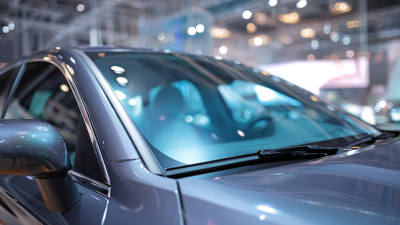
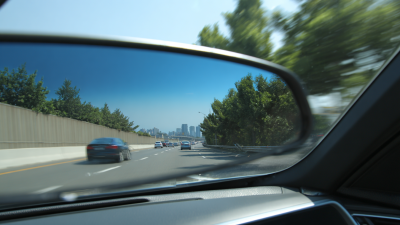
 Automotive glass plays a crucial role in the overall safety and performance of vehicles, yet its importance is often overlooked by many drivers and manufacturers alike. As a fundamental component of any automobile, automotive glass not only provides visibility and protection from the elements but also contributes significantly to the structural integrity of the vehicle. From the windshield to side windows and rear glass, each piece serves a specific purpose that enhances the driving experience while ensuring passenger safety.
In recent years, advancements in automotive glass technology have led to the development of features such as laminated and tempered glass, which offer improved resistance to impact and shattering. These innovations are essential in safeguarding occupants during collisions, as well as enhancing visibility in adverse weather conditions. Furthermore, the integration of smart technologies into automotive glass, such as heads-up displays and sensors, is revolutionizing how drivers interact with their vehicles, making safety a paramount concern in modern automotive design.
As the automotive industry continues to evolve, understanding the critical role of automotive glass becomes increasingly important. This article will delve into the various types of automotive glass, their contributions to vehicle safety, and the implications of technological advancements for both manufacturers and consumers. In exploring these aspects, we can better appreciate the significance of automotive glass in promoting safer and more efficient driving experiences.
Understanding Automotive Glass: Types and Materials Used
Automotive glass is a crucial component in vehicle design, playing a substantial role in both safety and performance. There are several types of automotive glass, including laminated and tempered glass. Laminated glass consists of two layers of glass with a plastic interlayer, offering enhanced safety by preventing shattering during impact. Tempered glass, on the other hand, is heat-treated for increased strength and upon breaking, it crumbles into small, less harmful pieces. Understanding the differences in these materials helps consumers make informed choices regarding vehicle safety features.
The global market for automotive glass is expected to see significant growth, reflecting the rising demand for enhanced safety and performance in vehicles. Notably, the market for fiber-reinforced polymer (FRP) composites is projected to grow from $98.12 billion in 2024 to $189.80 billion by 2032. This aligns with trends in the automotive sector, where lightweight materials are favored for better fuel efficiency and performance. Additionally, advancements in coating technologies, such as anti-reflective and reflective coatings, are enhancing the functional and aesthetic qualities of automotive glass.
**Tips:** When choosing a vehicle, consider the type of glass used in its construction, as it directly impacts safety and durability. Additionally, keep an eye on emerging technologies in automotive glass, as these innovations can dramatically enhance your driving experience. Understanding your vehicle's glass options can lead to better maintenance practices and improved long-term satisfaction.
Automotive Glass: Types and Their Contribution to Vehicle Safety
The Role of Automotive Glass in Enhancing Vehicle Safety
 Automotive glass plays a crucial role in enhancing vehicle safety, serving as a barrier that protects occupants from external elements while maintaining visibility. The structural integrity provided by high-quality glass components, such as windshields and windows, is essential in safeguarding passengers during collisions. Additionally, modern automotive glass is often designed with advanced features like UV protection and thermal insulation, which contribute to passenger comfort and vehicle performance.
Moreover, innovative technology in automotive glass, including the integration of sensors and heads-up displays (HUDs), enhances the driving experience by providing real-time data and minimizing distractions. These advancements not only improve safety by helping drivers maintain focus on the road but also support the growing trend toward autonomous and semi-autonomous vehicles. As manufacturers continue to prioritize both functionality and safety, the importance of automotive glass will remain a vital aspect of vehicle design and engineering.
Impact of Automotive Glass on Vehicle Performance and Aerodynamics
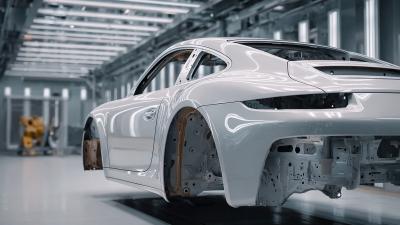
Automotive glass plays a pivotal role in vehicle performance and aerodynamics, significantly affecting fuel efficiency and overall safety. A recent report reveals that up to 60% of a vehicle's power can be wasted due to air resistance, making it essential for manufacturers to focus on optimizing the aerodynamic properties of their vehicles. Automotive glass, particularly in windshields and windows, can be designed to enhance aerodynamics, reducing drag and improving fuel economy. By integrating advanced technologies into glass manufacturing, companies can develop lightweight, low-resistance materials that minimize turbulence around the vehicle's body.
Furthermore, the automotive industry is increasingly drawing inspiration from aerospace innovations to enhance vehicle aerodynamics. For example, various heavy-duty vehicles have successfully incorporated aerospace-derived designs to lower overall drag coefficients significantly. Research indicates that optimizing the shape and position of components, such as grilles and bumpers within front-end modules, can lead to notable improvements in a vehicle's aerodynamic performance. As the market evolves, understanding the intricate relationship between automotive glass and vehicle aerodynamics becomes essential for manufacturers aiming to deliver safer and more efficient vehicles.
Future Trends in Automotive Glass Technology
The future of automotive glass technology is poised for significant advancements that will greatly enhance vehicle safety and performance.
One of the most promising trends is the development of smart glass, which can adjust its tint based on sunlight exposure
or driver preferences. This capability not only improves visibility and reduces glare but also contributes to energy efficiency
by lowering the demand for air conditioning in the cabin.
Another noteworthy innovation is the integration of augmented reality (AR) into windshield displays.
This technology can project navigation instructions, speed information, and even safety alerts directly onto the driver's line of sight.
By eliminating the need for drivers to glance down at dashboard displays, AR-enabled glass promotes safer driving behavior
and reduces distraction, thus increasing overall road safety. As automotive glass continues to evolve, we can expect these innovations to transform
the driving experience, making vehicles smarter and safer for everyone on the road.
Choosing the Right Automotive Glass for Your Vehicle Needs
Choosing the right automotive glass is crucial for ensuring both the safety and performance of your vehicle. Different types of glass, such as laminated or tempered, offer varying levels of protection and durability. According to the American National Standards Institute (ANSI), the use of high-quality laminated glass in windshields significantly reduces the risk of injuries during accidents, as it holds shattered glass pieces in place, preventing them from causing harm to occupants.
When selecting automotive glass, it's essential to consider factors such as UV resistance, thickness, and reflectivity. Industry studies indicate that UV-resistant glass can block up to 99% of harmful rays, protecting both passengers and interior fabrics from fading. Additionally, opting for thicker glass can enhance noise reduction inside the vehicle, leading to a more comfortable driving experience.
**Tips:** Always check the manufacturer's specifications to ensure compatibility with your vehicle's make and model. Moreover, consult professionals for installation, as improper fitting can compromise the glass's performance and safety features. Finally, keep an eye on seasonal changes in temperature, as extreme conditions can affect the integrity of the glass.