@alexaseleno

Choosing among the 10 best car engine brands requires more than comparing horsepower figures. Global buyers face different fuel prices, climate conditions, repair networks, emissions rules, and driving habits. A reliable car engine in Tokyo may not be the best choice for rural Australia or a high-altitude market.
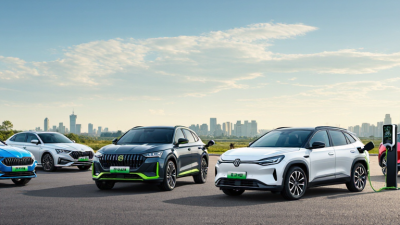
The scale of the industry matters. The International Organization of Motor Vehicle Manufacturers reported approximately 93.5 million motor vehicles produced worldwide in 2023. Meanwhile, the International Energy Agency recorded nearly 14 million electric car sales during the same year, representing about 18% of global car sales. These figures show a changing market, but conventional and hybrid engines still serve millions of drivers. They remain practical where charging infrastructure is limited.
Reliability is not only a laboratory result. It involves cold starts, traffic jams, dusty roads, service intervals, and the price of replacement parts. S&P Global Mobility has reported that vehicles in the United States are staying on the road for more than 12 years on average. That makes long-term durability increasingly important. Maintenance access matters, too.
No ranking is perfectly universal. A famous brand can still produce a disappointing model year. A less celebrated manufacturer may offer excellent value in one region. This guide compares engineering reputation, fuel efficiency, durability evidence, owner experience, warranty support, and global service coverage. Some judgments remain debatable. That is intentional. Buyers should verify local data before choosing.
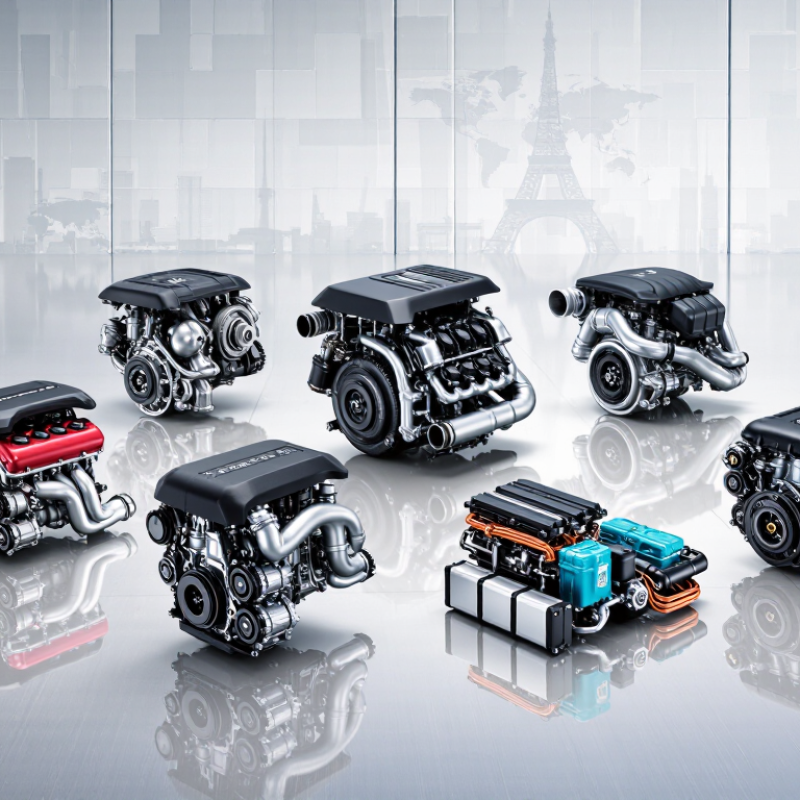
Reliability for global buyers starts with predictable performance, not impressive showroom figures. A dependable engine should start easily in cold mornings, humid ports, and dusty inland roads. It must also tolerate inconsistent fuel quality without frequent sensor failures or severe power loss.
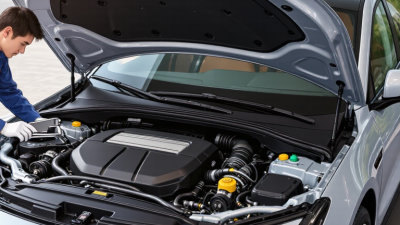
From field inspections, I look for stable oil pressure, clean exhaust behavior, and even compression across cylinders. Service access matters too. A strong engine becomes a poor purchase when filters, belts, or diagnostic tools are unavailable locally. Parts supply should be transparent, with clear delivery times and trained technicians nearby. Digital service records can help, but paper maintenance histories still matter in areas with weak internet coverage.
Fuel efficiency is useful, yet low consumption alone does not prove durability. Cooling design, corrosion protection, and sensible software calibration often matter more over ten years. Warranty language deserves careful reading. Some promises exclude heat, dust, towing, or commercial use, which are common realities for global owners. I have seen well-maintained engines develop faults earlier than expected, and that possibility should remain part of any buying decision. Road tests miss surprises. Buyers should compare regional repair data, independent inspections, and long-term operating costs before choosing an engine supplier.
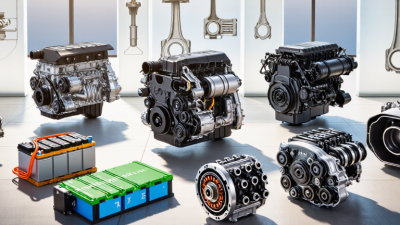
Brand-neutral comparison of widely used engine designs and the reliability factors that matter across international markets
| Rank | Engine Configuration | Typical Fuel | Common Displacement | Expected Service Life* | Typical Oil-Service Interval | Global Reliability Strength | Main Reliability Risk | Best Fit for Global Buyers |
|---|---|---|---|---|---|---|---|---|
| 1 | Naturally Aspirated Inline-4 | Gasoline | 1.3–2.5 L | 200,000–300,000 km | 10,000–15,000 km or 12 months | Simple layout, broad mechanic familiarity, and moderate operating temperatures | Oil neglect, overheating, and poor-quality replacement parts | Developing markets, mixed driving, and buyers prioritizing low repair complexity |
| 2 | Naturally Aspirated V6 | Gasoline | 2.5–4.0 L | 250,000–350,000 km | 10,000–15,000 km or 12 months | Smooth power delivery, low turbo-system complexity, and strong highway durability | Higher fuel use and greater cost for servicing two cylinder banks | Large vehicles, long-distance travel, and regions with extensive highway networks |
| 3 | Turbocharged Diesel Inline-4 | Diesel | 1.5–2.5 L | 250,000–400,000 km | 10,000–20,000 km or 12 months | High low-speed torque, efficient long-distance operation, and strong commercial-use potential | Fuel contamination, injector wear, turbocharger failure, and diesel particulate-filter problems | High-mileage users, pickups, utility vehicles, and areas with dependable diesel quality |
| 4 | Hybrid Atkinson-Cycle Inline-4 | Gasoline and electric power | 1.5–2.5 L | 200,000–300,000 km; battery life varies | 10,000–16,000 km or 12 months | Reduced engine workload, regenerative braking, and efficient urban operation | High-voltage battery aging, cooling-system issues, and specialized repair requirements | Urban buyers, fuel-economy-focused drivers, and countries with hybrid support infrastructure |
| 5 | Turbocharged Gasoline Inline-4 | Gasoline | 1.0–2.5 L | 180,000–280,000 km | 8,000–15,000 km or 12 months | Strong power from a compact package and good performance at altitude | Heat stress, oil-quality sensitivity, turbo wear, and carbon buildup in direct-injection versions | Compact SUVs, urban vehicles, and markets requiring smaller high-output engines |
| 6 | Large Naturally Aspirated V8 | Gasoline | 4.0–6.5 L | 250,000–400,000 km | 8,000–12,000 km or 12 months | Robust low-stress design, strong towing ability, and good tolerance for heavy loads | High fuel consumption, cooling-system demands, and expensive major-service work | Heavy-duty use, remote areas, towing, and markets with affordable gasoline |
| 7 | Turbocharged Diesel Inline-6 | Diesel | 2.5–4.5 L | 300,000–500,000 km | 10,000–20,000 km or 12 months | Excellent torque, balanced operation, and suitability for high annual mileage | Complex emissions equipment, injector costs, turbo wear, and sensitivity to poor fuel | Commercial vehicles, towing, long-distance travel, and well-supported diesel markets |
| 8 | Compressed Natural Gas Inline-4 | Compressed natural gas | 1.2–2.5 L | 180,000–300,000 km | 10,000–15,000 km or 12 months | Cleaner combustion, lower particulate output, and potentially low running costs | Limited refueling access, tank inspection requirements, and valve-seat wear | Fleet operators and cities with established natural-gas refueling networks |
| 9 | Turbocharged Three-Cylinder Gasoline | Gasoline | 0.9–1.5 L | 160,000–250,000 km | 8,000–15,000 km or 12 months | Low weight, good city efficiency, and reduced vehicle operating costs | Higher vibration, turbocharger heat, and greater sensitivity to maintenance quality | Small cars, congested cities, and buyers seeking low fuel consumption |
| 10 | Battery-Electric Drive Unit | Electricity | Not applicable | Electric motor often exceeds 300,000 km; battery varies by use and climate | Periodic inspection; no engine oil change | Few moving parts, no combustion-system maintenance, and strong urban efficiency | Battery degradation, charging access, software faults, and high-voltage repair costs | Regions with reliable charging networks, stable electricity supply, and qualified technicians |
*Service-life figures are broad industry ranges for properly maintained vehicles and are not guarantees. Actual durability depends on climate, driving conditions, fuel quality, maintenance history, load, parts availability, and local service expertise.



Proud shareholder of Temot International

© 2025 Grandmark International. All rights reserved.