
The demand for reliable Enclosed Power Supply solutions is increasing significantly worldwide. According to a recent market analysis, the global power supply market is projected to grow at a CAGR of 5.7% from 2021 to 2026. This growth reflects the booming sectors such as telecommunications, automotive, and renewable energy, which rely heavily on efficient power management systems.
Consumers are increasingly looking for Enclosed Power Supplies that ensure safety and efficiency. The need for high-quality industrial equipment is undeniable. For example, limited space in certain applications makes compact power supplies essential. However, buyers must navigate a complex landscape of brands and specifications.
While certain features may appear standard, users must critically evaluate actual performance. Not all products meet the expected durability and reliability standards. Critical reflections on user experiences can shed light on this issue, revealing gaps between marketing claims and real-world performance. Therefore, a careful assessment of the top Enclosed Power Supply options in 2026 is essential for making informed purchasing decisions.
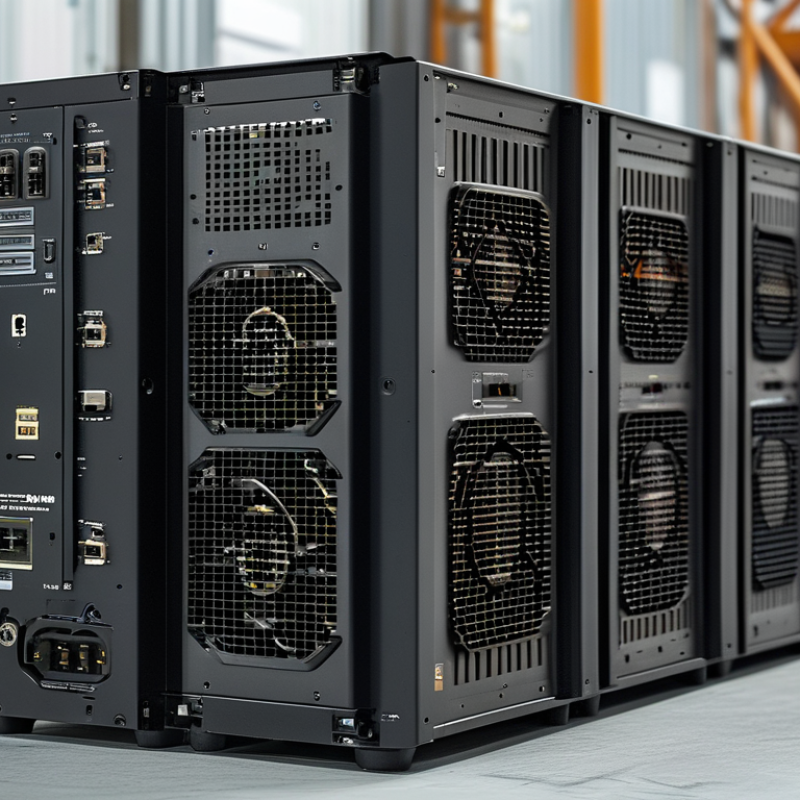
Enclosed power supplies are crucial components in electronic devices, providing stable power within protective casings. They are designed to shield internal mechanisms from environmental threats. This protection increases reliability and lifespan, vital for both industrial and consumer applications. Their compact design often leads to efficient space utilization.
When choosing an enclosed power supply, consider its voltage and current ratings. Understand the specific needs of your application. This choice can significantly impact performance and durability. Many leave this aspect overlooked, leading to inefficient systems.
Tips: Always check the temperature range of a power supply. Extreme conditions can damage components quickly. Additionally, examine the cooling options provided. Insufficient cooling can result in failure over time. Investing time in these details pays off in long-term reliability. Prioritizing quality can save costs in replacements and downtimes.
When exploring enclosed power supplies, it’s essential to understand the different types available. These power supplies can generally be categorized into linear and switching types. Linear power supplies are known for their simplicity. They deliver stable, low-noise power, making them ideal for sensitive applications. However, they tend to be larger and less efficient than their switching counterparts, which can be a drawback.
On the other hand, switching power supplies are more compact and efficient. They operate by converting electrical energy with high-frequency switching. This results in less heat generation and smaller sizes. However, they can introduce noise and voltage ripple, which may affect sensitive electronics. Buyers must evaluate the specific requirements of their applications. Noise sensitivity, size constraints, and thermal management are crucial factors.
Additionally, each type presents its challenges. Linear supplies may require heat sinks, while switching options demand careful layout for electromagnetic interference (EMI) management. Understanding these nuances can guide buyers in making informed decisions. This reflective approach helps minimize future issues related to efficiency and performance.
In the ever-evolving market of enclosed power supplies, buyers face a plethora of options. Numerous brands and manufacturers compete for attention. Understanding their offerings requires careful consideration of performance, efficiency, and reliability. Many newcomers struggle to grasp these nuances. It's essential to analyze the specifications thoroughly.
Top manufacturers prioritize quality and safety. However, not all products meet the same standards. Some suppliers may overstate their capabilities. Customers should seek third-party certifications to ensure compliance. This practice builds confidence in a purchase decision. The diversity in design often leads to confusion as well. A clear understanding of specific needs can guide the selection process effectively.
It's not uncommon for buyers to overlook essential details. Voltage ratings, cooling methods, and output power are critical factors. Misjudging these aspects can lead to poor performance or even failure. Take time to evaluate product reviews and user experiences. This research step often reveals insights that technical sheets do not. Engaging with community forums can also shed light on potential pitfalls.
When choosing an enclosed power supply, several key factors must be considered. Input voltage range is crucial. Most devices require a specific voltage to operate efficiently. According to a recent industry report, around 75% of equipment failures relate to voltage mismatches. Ensuring compatibility with your device’s needs is paramount.
Power output is another essential element. Calculate the power requirements of your application. Studies indicate that systems often require an additional 20% power capacity for safety margins. This helps prevent overheating and prolongs the lifespan of the power supply. Adequate cooling mechanisms are vital as well, especially in tightly enclosed spaces.
Size and form factor shouldn’t be overlooked. A compact design may save space but could lead to heat dissipation issues. Longevity and reliability are impacted by the materials used in manufacturing. High-quality components typically enhance performance. However, the trade-off between cost and quality can be challenging to navigate. Sometimes, a cheaper option fails sooner than expected, leading to further expenses.
This chart illustrates the efficiency and average lifespan of different enclosed power supply options available in 2026. Buyers should consider these metrics when making purchasing decisions.
As enclosed power supply technology evolves, several trends shape its future. Increasing demand for energy efficiency is a top priority. Manufacturers are focusing on designs that minimize energy loss. This helps reduce operational costs for consumers. Enhanced thermal performance is also crucial. Improved cooling mechanisms maintain reliability and longevity in various environments.
Another notable trend is the rise of smart power supplies. Features such as remote monitoring and adaptable output voltages are becoming standard. These innovations lead to greater flexibility in diverse applications. Buyers benefit from tailored solutions and improved performance metrics.
However, challenges remain in achieving universal compatibility across global markets. Navigating differing regulations can complicate development efforts. Providers need to stay ahead of these evolving standards. While advancements are promising, consistent quality assurance is essential. A blend of innovation and reliability will ultimately guide the future of enclosed power supplies.
© 2025 Grandmark International. All rights reserved.
© 2020 Grandmark. Grandmark International. All rights reserved. Proud shareholder of Temot International.