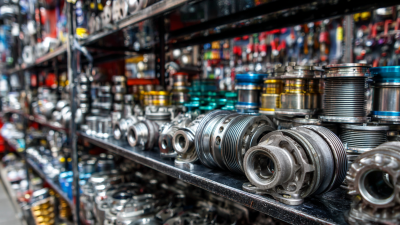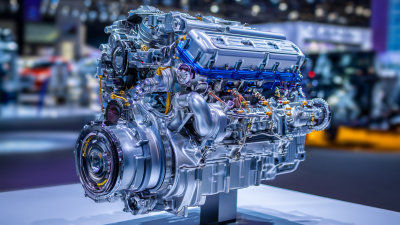
When it comes to maintaining your vehicle's performance, choosing the right filters is crucial, and Bosch filters stand out in this competitive market. According to a recent report by the Automotive Aftermarket Industry Association, approximately 90% of vehicle problems can be attributed to poor maintenance, with improper filtration being a significant factor. Bosch filters are engineered to meet high standards of quality and effectiveness, ensuring that engines achieve optimal performance while extending their lifespan. Research indicates that using high-quality filters can improve fuel efficiency by as much as 6% while reducing harmful emissions. By selecting Bosch filters for your vehicle, you not only enhance your engine's efficiency but also support a cleaner environment. In this guide, we will explore how to effectively utilize Bosch filters to keep your vehicle operating at its best.

High-quality filters play a crucial role in maintaining the optimal performance of vehicles. Studies show that over 75% of vehicles on the road today are running with clogged or subpar filters, leading to decreased efficiency and higher emissions. According to a report from the Automotive Aftermarket Suppliers Association (AASA), the right quality of air and oil filters can improve engine performance by as much as 14%. This statistic underscores the significance of investing in top-tier products like Bosch filters, which are engineered to meet the rigorous demands of modern engines.
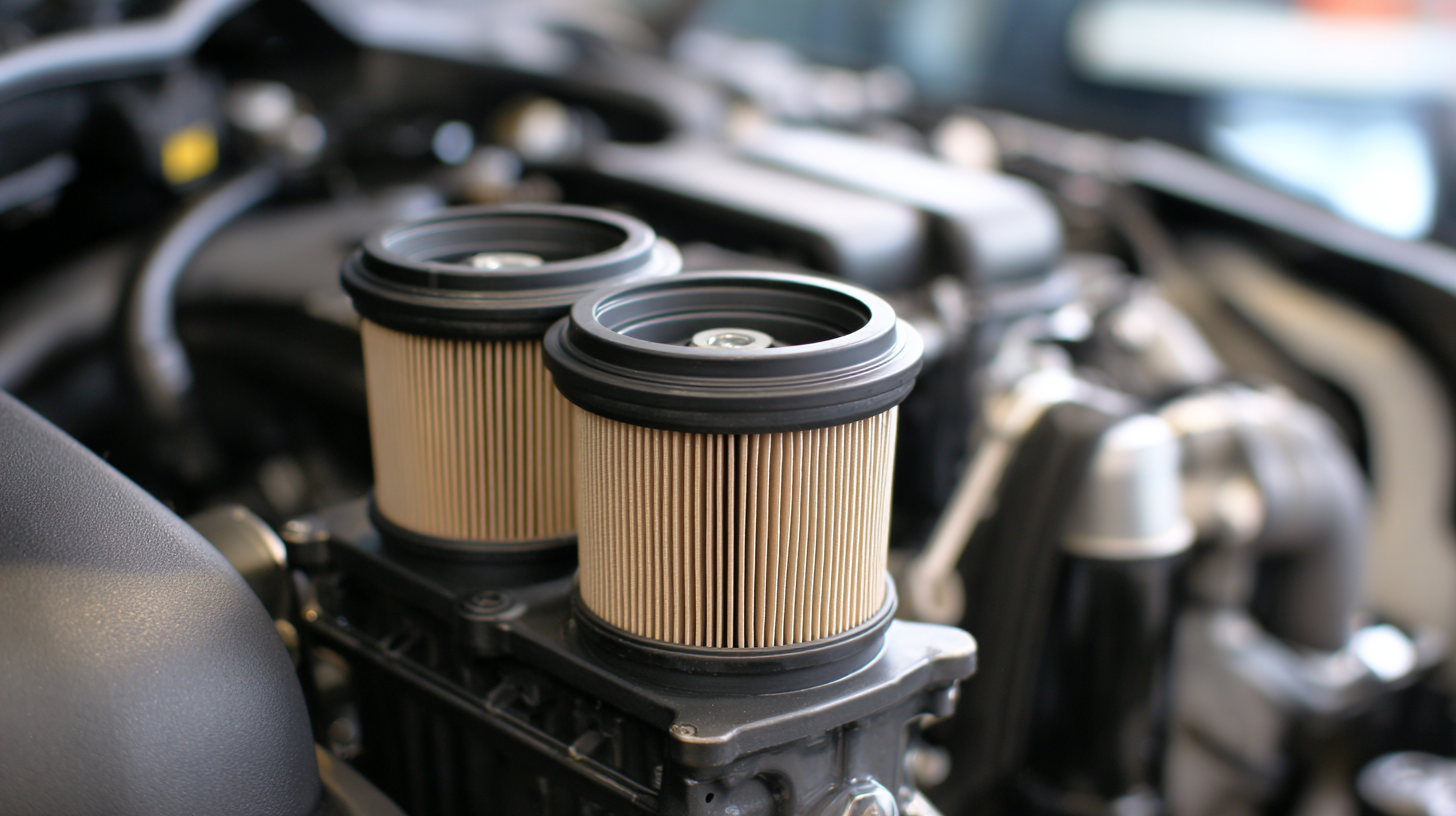
Furthermore, regular maintenance involving high-quality filters can yield substantial long-term cost savings for vehicle owners. The Car Care Council states that vehicles with clean, efficient filters can achieve up to 10% better fuel economy. Considering the rising fuel prices, switching to high-quality filters can not only enhance vehicle longevity but also contribute to financial savings over time. By prioritizing the quality of filters, drivers ensure their vehicles perform at their best, ultimately benefiting both performance and the environment.
Bosch filters play a pivotal role in maintaining optimal vehicle performance by ensuring that critical systems operate smoothly and efficiently. Among the various types of filters, the oil, air, and fuel filters stand out due to their specific functions and undeniable impact on vehicle longevity. According to a report from the International Journal of Automotive Technology, clean oil is vital for engine longevity, as it reduces friction and prevents wear. Bosch oil filters, engineered with advanced filtration technology, effectively trap contaminants, helping to maintain the oil's integrity and ensuring that the engine functions at peak performance.
Air filters are equally important, especially in maintaining air quality within the engine, which directly influences fuel efficiency. Research indicates that a clogged or dirty air filter can reduce a vehicle's fuel efficiency by up to 10%. Bosch air filters utilize multi-layer media that captures harmful particles, promoting clean air intake for optimal combustion. Similarly, Bosch fuel filters are designed to protect the engine's fuel injectors from dirt and debris that could cause costly repairs. The ability to filter out contaminants is crucial; a study by the Society of Automotive Engineers shows that about 70% of fuel system issues arise from poor filtration. In essence, Bosch filters contribute significantly to vehicle performance and reliability, making their regular maintenance indispensable for car owners.
Bosch filters play a pivotal role in enhancing engine performance by ensuring that only clean air, oil, and fuel circulate through the vehicle's systems. According to a study by the Automotive Aftermarket Suppliers Association (AASA), around 16% of engine wear can be attributed to poor filtration. Bosch filters are designed with advanced technology that efficiently traps contaminants, minimizing the risk of engine damage and optimizing combustion efficiency.
Implementing Bosch filters can lead to significant improvements in fuel economy and overall vehicle performance. A report from the International Council on Clean Transportation (ICCT) indicates that high-quality air filters can improve engine efficiency by up to 10%, reducing carbon emissions and enhancing mileage. Furthermore, Bosch's innovative oil filters provide superior lubrication to the engine components, which is crucial for maintaining peak performance levels. With their ability to extend service intervals and protect vital engine parts, Bosch filters are an essential investment for anyone looking to maximize their vehicle's longevity and performance.
This chart illustrates the impact of different types of filters on engine performance. The values represent the estimated effectiveness of each filter type in maintaining optimal engine performance, with higher values indicating greater importance.
Using poor-quality filters in your vehicle can lead to a range of common issues that compromise performance and efficiency. A report from the Automotive Aftermarket Suppliers Association indicates that up to 90% of vehicle problems are related to filtration and flow issues. When filters do not function properly, contaminants can enter the engine and other critical systems, leading to increased wear and tear and ultimately resulting in costly repairs. For instance, dirty oil filters can restrict oil flow, reducing lubrication and causing overheating or engine seizing.
Moreover, low-quality air filters can allow dirt and debris into the combustion chamber, which may reduce fuel efficiency by as much as 10%, according to the Department of Energy. This inefficiency not only affects acceleration and power output but also increases harmful emissions, making it detrimental to both your vehicle and the environment. By choosing Bosch filters, which are engineered to meet or even exceed original equipment specifications, vehicle owners can mitigate these risks and ensure optimal performance, longevity, and reliability of their vehicles.
To ensure optimal filter performance in your vehicle, regular maintenance is key. Start by checking your Bosch filters during routine service intervals. Air filters should be inspected every 12,000 to 15,000 miles or as specified in your vehicle's owner manual. A clogged air filter can restrict airflow to the engine, reducing efficiency and acceleration. Replacing it with a high-quality Bosch filter can enhance engine performance and longevity.
Moreover, fuel filters should not be overlooked. They play a crucial role in maintaining fuel purity before it reaches the engine. Regularly scheduled replacements, typically every 30,000 to 40,000 miles, will help prevent contaminants from causing engine wear or damage. Pay attention to any warning signs—like reduced fuel efficiency or unusual engine noises—which may indicate that your fuel filter needs attention. By keeping up with these maintenance tips, you can ensure that your Bosch filters continue to perform optimally, contributing to the overall health and efficiency of your vehicle.
© 2025 Grandmark International. All rights reserved.
© 2020 Grandmark. Grandmark International. All rights reserved. Proud shareholder of Temot International.