grandmark logoGrandmark International
@alexaseleno
Skip to main content

Understanding the Role of Car Engine Specifications in Vehicle Performance

The performance of a vehicle is intricately linked to its car engine specifications, a relationship well-documented by industry experts and studies. According to a report by the International Council on Clean Transportation, advancements in car engine technology contribute to significant improvements in fuel efficiency, with modern engines boasting 20-30% better fuel economy compared to their predecessors. This highlights the essential role that engine design and specifications play not only in performance metrics but also in environmental sustainability.

Furthermore, the Society of Automotive Engineers (SAE) emphasizes the importance of understanding engine dynamics, stating that optimized engine configurations can lead to enhanced power output and torque, directly influencing acceleration and overall driving experience. With the increasing complexity of automotive technologies, such as turbocharging and variable valve timing, car manufacturers are challenged to balance performance with regulatory standards and consumer expectations. Understanding these specifications can guide consumers and manufacturers alike in making informed choices that align with performance and efficiency goals.
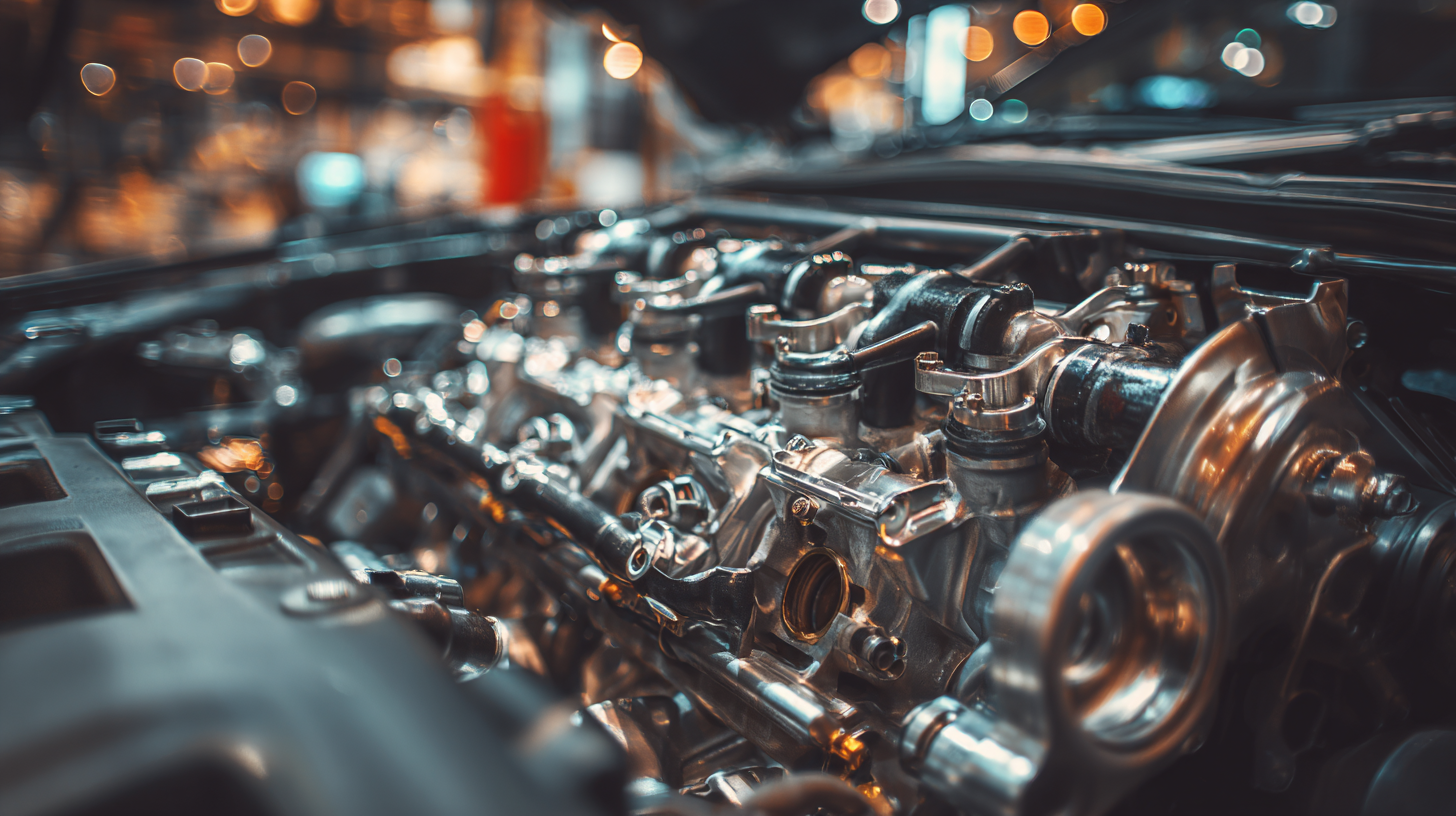
Understanding the Role of Car Engine Specifications in Vehicle Performance

Key Engine Specifications That Influence Acceleration and Speed

Understanding the key engine specifications is crucial for evaluating vehicle performance, especially when it comes to acceleration and speed. For instance, the 0-100 km/h acceleration figure is a commonly used benchmark that indicates how quickly a vehicle can reach highway speeds. In recent tests, new models have shown significant improvements in this area, with some vehicles achieving acceleration times as low as 8.65 seconds thanks to advanced turbocharged engines. This performance is often linked to engine power output, torque characteristics, and the efficiency of the transmission system.

The introduction of variable intake systems in newer models has proven to enhance responsiveness and overall performance. Reports indicate that the latest engine technology helps optimize air intake and combustion, resulting in better acceleration. For example, comparisons between previous and new models showcase remarkable differences in top speed capabilities and acceleration times. These enhancements not only contribute to a more thrilling driving experience but also reflect advancements in automotive engineering aimed at meeting consumer demands for speed and efficiency.

Understanding the Role of Car Engine Specifications in Vehicle Performance - Key Engine Specifications That Influence Acceleration and Speed

Engine Type Power Output (hp) Torque (Nm) 0-60 mph (sec) Top Speed (mph) Fuel Efficiency (mpg)
Inline 4 150 200 8.0 130 30
V6 250 300 6.5 150 25
Turbocharged Inline 4 200 250 6.0 140 32
V8 400 500 4.0 180 20
Electric Motor 300 400 3.5 150 100

Understanding Horsepower and Torque: Their Impact on Driving Dynamics

Horsepower and torque are two critical specifications that directly influence a vehicle's performance and driving dynamics. Horsepower, a measurement of the engine's power output, is crucial for determining a car's acceleration. For instance, a report by the Society of Automotive Engineers indicates that increasing horsepower can significantly decrease the time it takes for a vehicle to reach its top speed. On the other hand, torque measures the rotational force produced by the engine. Vehicles with higher torque ratings, such as those found in diesel engines, offer better towing capabilities and improved acceleration off the line, which is particularly evident in trucks and SUVs.

**Tip:** When choosing a vehicle, consider your primary use case. If you need a car for city driving or frequent highway merges, opt for a vehicle with higher horsepower to enhance acceleration. Conversely, if towing heavy loads is a priority, look for models that emphasize torque.

Understanding the balance between horsepower and torque is essential for optimizing vehicle performance. For instance, a sportscar with a high horsepower-to-weight ratio can achieve incredible speeds, while a performance-oriented SUV might combine moderate horsepower with high torque to ensure it can handle diverse driving conditions. According to a recent Automotive Trends report, the best-performing vehicles often optimize this balance, demonstrating that both specifications play a vital role in overall driving pleasure and functionality.

**Tip:** Test drive different vehicles to feel how horsepower and torque impact the driving experience. Pay close attention to how each car responds under varying conditions to find the right fit for your driving style.

The Importance of Engine Displacement in Vehicle Performance

Engine displacement refers to the total volume of all the cylinders in an internal combustion engine, typically measured in liters or cubic centimeters. This specification plays a critical role in determining a vehicle's power output and overall performance. Generally, a larger engine displacement allows for more air and fuel to be combusted, resulting in greater power and torque. Vehicles with larger engines tend to accelerate faster and offer better performance, particularly in demanding driving situations like towing or off-road conditions.

However, engine displacement is not the sole determinant of vehicle performance. Modern engineering techniques, such as turbocharging and direct fuel injection, enable smaller displacement engines to deliver power comparable to or even exceeding that of their larger counterparts. Consequently, manufacturers often achieve a balance between engine displacement and fuel efficiency, allowing vehicles to perform effectively while maintaining lower emissions. The nuances of engine displacement highlight the importance of understanding how various specifications interact to deliver an optimal driving experience.

Understanding the Role of Car Engine Specifications in Vehicle Performance

How Fuel Type and Efficiency Affect Engine Performance and Longevity

Fuel type and efficiency play a crucial role in determining a vehicle's engine performance and its longevity. Different engines are designed to operate optimally with specific fuel types, such as gasoline, diesel, or alternative fuels like ethanol. The choice of fuel directly influences combustion efficiency, leading to variations in power output, acceleration, and fuel economy. For instance, high-octane fuels can enhance the performance of engines designed for them, allowing for better combustion and reduced knocking, which ultimately leads to a more responsive driving experience.

Additionally, the efficiency of an engine is significantly affected by the fuel it consumes. Efficient fuel types can minimize waste and maximize energy output, which helps in prolonging engine life. Engines that consistently run on high-quality fuel experience less wear and tear, maintain cleaner components, and require fewer repairs over time. Conversely, using lower-quality fuels can lead to deposits forming in the engine, resulting in decreased performance and a shorter lifespan. Thus, understanding the relationship between fuel type and engine efficiency is vital for vehicle owners aiming to enhance performance and extend the longevity of their engines.

Fuel Type and Efficiency Impact on Engine Performance

The Role of Engine Technology: Turbocharging vs. Naturally Aspirated Engines

Understanding the Role of Car Engine Specifications in Vehicle Performance Turbocharging and naturally aspirated engines represent two distinct philosophies in automotive engineering, each offering unique advantages that cater to different driver preferences and performance needs. Recent developments in turbo technology have led to the introduction of smaller, high-performance 1.0 turbo engines, which can deliver power comparable to older, larger 2.0 naturally aspirated engines. This "downsizing" trend in the automotive industry emphasizes the efficiency and power efficiency of turbocharged engines, allowing manufacturers to meet stricter environmental regulations while enhancing vehicle performance.

Tips: When considering a vehicle, evaluate your driving style. If you prefer immediate throttle response and an engaging driving experience, naturally aspirated engines might suit you better. However, for those seeking raw power and efficiency, turbocharged options could be the way to go.

The appeal of turbocharged engines lies not just in their size, but also in technology such as twin-scroll turbocharging, which optimizes the power delivery across the engine’s RPM range. This advancement allows for a flatter torque curve and improved acceleration at various speeds. Nevertheless, naturally aspirated engines continue to captivate enthusiasts with their direct response and sound, offering an analog driving experience that many find intoxicating.

Tips: If you're considering a new car, take a test drive of both engine types. The real-world performance and feel can greatly influence your choice, ensuring you select the engine that aligns with your driving preferences.