grandmark logoGrandmark International
@alexaseleno
Skip to main content

What is Car Suspension and How Does It Work?

Car suspension plays a vital role in vehicle dynamics. It affects ride quality, handling, and safety. A well-designed suspension system ensures that tires maintain contact with the road, improving grip and control. However, many people underestimate its importance.

Understanding how car suspension works can deepen our appreciation for vehicle engineering. It is a complex system, yet essential for comfort and stability. A faulty suspension can lead to poor handling and increased wear. Drivers often notice these signs but may ignore them until it's too late. Regular maintenance can prevent major issues.

In every vehicle, the suspension system absorbs shocks from the road. This not only enhances comfort but also protects other components. Despite its importance, many car owners are unaware of its complexities. Knowledge of car suspension can empower drivers to make informed decisions about their vehicles.
What is Car Suspension and How Does It Work?

What is Car Suspension?

What is Car Suspension and How Does It Work?

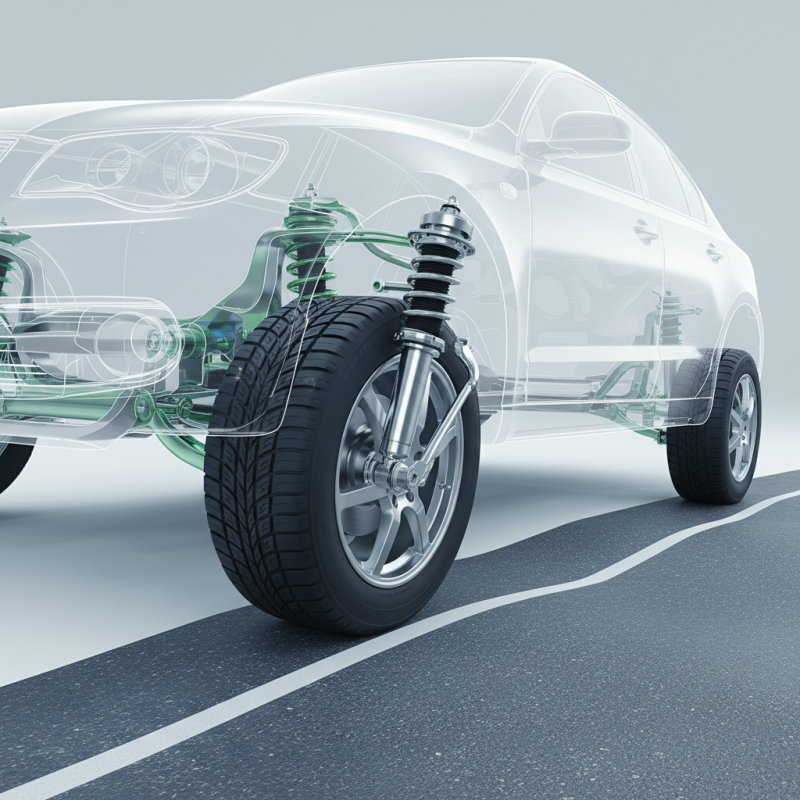
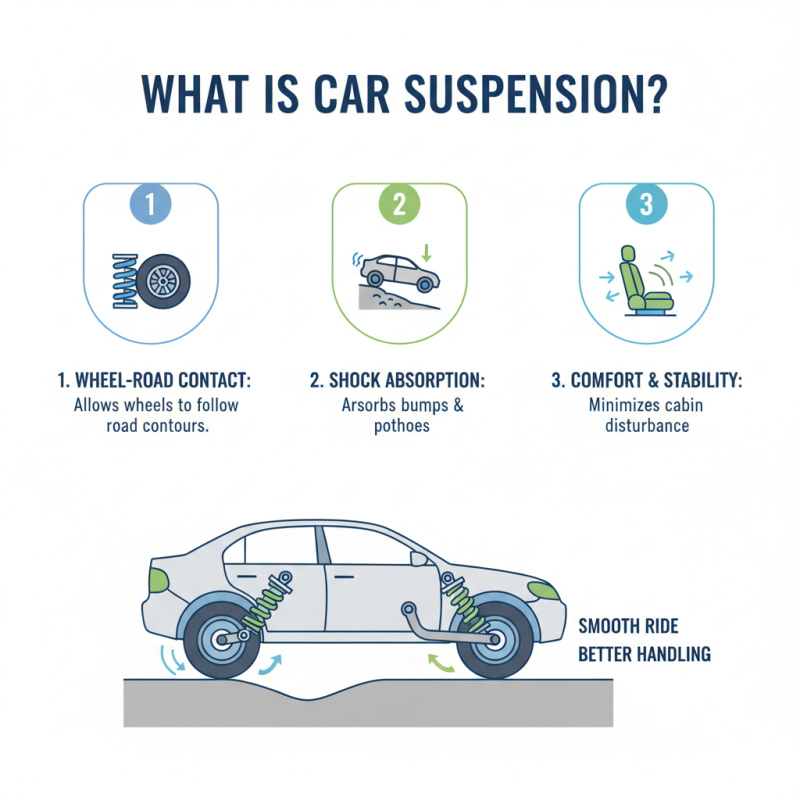
Car suspension is a critical system in vehicles, ensuring a smooth ride and handling stability. At its core, suspension allows the wheels to follow the contours of the road. It absorbs shocks from bumps and potholes. This minimizes disturbances to the vehicle's body and its occupants.

The main components of car suspension include springs, shock absorbers, and control arms. Springs bear the vehicle's weight, while shock absorbers control the spring's motion. Together, they influence ride comfort and safety. When the suspension is worn out, it can lead to poor handling and increased wear on tires. It's essential to periodically check these components for optimal performance.

Understanding suspension is crucial for car maintenance. Many drivers neglect this system until there are noticeable issues. An unmaintained suspension can lead to shaky rides and potential accidents. Regular inspections can prevent problems and enhance the driving experience. It's worth considering that even minor adjustments can greatly improve a vehicle's performance on the road.

The Components of Car Suspension Systems

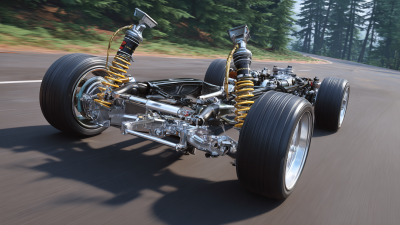
The car suspension system is vital for a smooth ride. It consists of several critical components. These components include springs, shock absorbers, and linkages. Each plays a unique role in maintaining stability and comfort.

Springs support the vehicle's weight. They absorb energy from bumps, helping reduce impact on the chassis. Different spring types, like coil and leaf springs, have specific purposes. Shock absorbers control the spring's rebound. They dampen vibrations to improve handling. Without them, cars would bounce endlessly after hitting a bump.

Linkages connect various components of the suspension. They ensure proper alignment and movement during driving. Misaligned linkages can lead to uneven tire wear. This can affect safety and performance. Regular inspection is necessary to catch any issues early. Understanding these components enhances the knowledge of your vehicle's overall functionality.

Types of Suspension Systems Explained

Suspension systems are vital for vehicle performance and comfort. They connect the vehicle to its wheels and help manage various forces. There are several types of suspension systems, each with unique characteristics. Understanding these systems can enhance driving experience and vehicle handling.

One common type is the MacPherson strut. It features a single strut assembly, making it compact and lightweight. This design often uses coil springs, which provide decent ride comfort. However, it may struggle with stability on rough terrain. On the other hand, double-wishbone suspension offers better control and handling. Its design utilizes two arms, allowing for more precise wheel movement. Yet, this complexity may increase maintenance costs.

Air suspension is another innovative option. It uses air-filled bags to adjust height and stiffness. This flexibility optimizes comfort and handling. However, the system can be prone to leaks, affecting reliability. Each suspension type has its pros and cons. The right choice will depend on personal driving needs and vehicle use.

What is Car Suspension and How Does It Work? - Types of Suspension Systems Explained

Suspension Type Description Advantages Disadvantages
MacPherson Strut A type of suspension that integrates the strut and lower control arm. Simple design, cost-effective, provides good handling. Limited adjustability, less effective in heavy-duty applications.
Double Wishbone Consists of two arms (wishbones) that connect the wheel to the vehicle. Better control of wheel motion, improved handling. More complex design, can be more expensive to manufacture.
Multi-Link Utilizes multiple arms to position the wheel and improve handling. Highly customizable for performance and stability. Complexity leads to higher costs and maintenance.
Leaf Spring Uses a series of metal plates (leaves) to support the vehicle's weight. Simple, durable, and effective for heavy loads. Limited articulation, can provide a rough ride.
Air Suspension Uses air-filled bags instead of coils or springs for support. Adjustable ride height, improved comfort. More prone to failure, can be expensive to repair.

How Suspension Affects Vehicle Handling and Comfort

What is Car Suspension and How Does It Work?

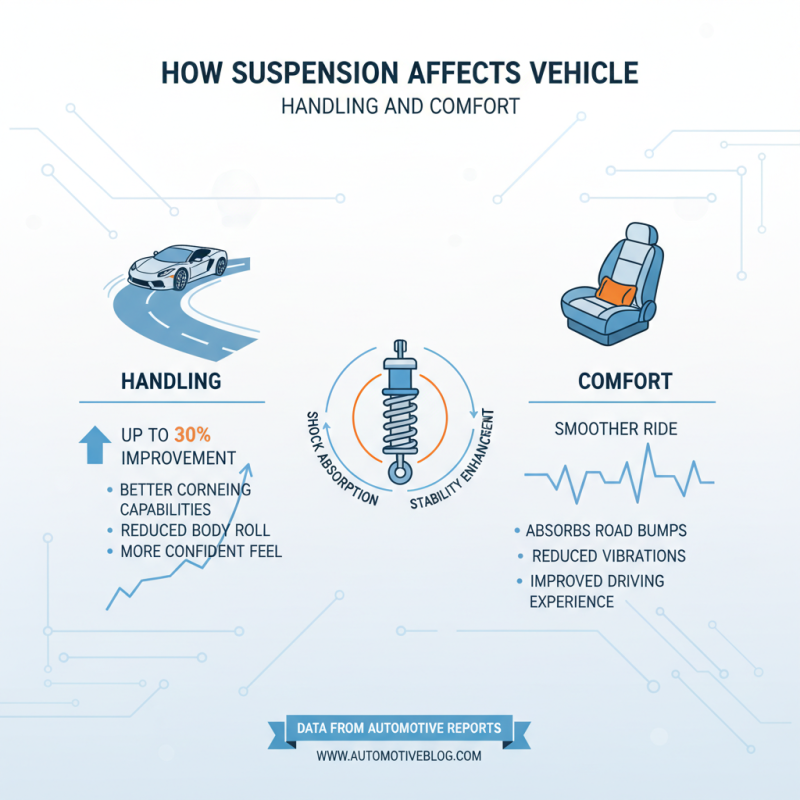
Vehicle suspension systems play a crucial role in both handling and comfort. A well-designed suspension absorbs shocks and enhances stability, affecting the driving experience significantly. Data from automotive reports indicate that vehicles with advanced suspension systems can improve handling by up to 30%. This improvement translates to better cornering capabilities and reduced body roll, providing drivers with a more confident feel on the road.

Comfort is also impacted by suspension design. Quality systems minimize vibrations and bumps, leading to a smoother ride. Studies have shown that drivers often prefer vehicles with softer suspensions in urban settings, where road conditions can be unpredictable. However, softer suspensions might result in less precise handling at higher speeds. This balance between comfort and performance is not always easy to achieve.

Tips: Regularly inspect your suspension components. Worn-out shocks and struts can lead to decreased comfort and handling, affecting safety. Consider consulting with a professional to assess the system. Pay attention to how your vehicle responds to bumps. If you notice excessive bouncing or drifting, it may be time for a suspension check.

The Role of Suspension in Safety and Performance

Car suspension plays a critical role in vehicle safety and performance. It connects the car's body to its wheels, absorbing impacts from the road. This system allows wheels to maintain contact with the surface, ensuring stability during driving. A well-designed suspension improves handling and keeps the driver in control.

In terms of safety, suspension helps prevent skids and rollovers. When a vehicle encounters a bump, the suspension absorbs the shock. If it fails, the car can lose traction. Poor suspension can lead to longer stopping distances and an increased chance of accidents. It’s essential for drivers to monitor their vehicle’s suspension. Signs like unusual noises or a rough ride might indicate issues.

Performance is equally affected by the suspension system. A vehicle with optimal suspension goes around corners more smoothly and responds better to steering inputs. Yet, many drivers overlook routine maintenance or adjustments. This lack of attention can lead to decreased performance over time. Ensuring the suspension is in good condition contributes to an enjoyable and safe driving experience.

Car Suspension Components and Their Impact on Performance