China Top 10 ESS Connector Manufacturers for Global Buyers
Energy storage is moving from a specialist market into essential power infrastructure. The International Energy Agency reported that global battery storage additions reached about 42 GW in 2023, nearly tripling from the previous year. This rapid expansion is increasing demand for reliable battery-rack, busbar, and high-voltage connection systems.
An Ess Connector must carry substantial current while tolerating heat, vibration, moisture, and repeated maintenance cycles. A small contact failure can create resistance, localized heating, and costly downtime. Global buyers therefore examine more than price. They compare contact materials, insulation performance, locking mechanisms, touch protection, temperature ratings, ingress protection, and production traceability.
China has become a major manufacturing base for battery components and power-electronics hardware. Its connector suppliers serve utility-scale storage, commercial systems, residential batteries, and mobile applications. This article introduces ten China-based ESS Connector manufacturers for international buyers. The selection considers engineering capability, production experience, quality systems, customization support, export readiness, and documented compliance.
Market reports from BloombergNEF and Wood Mackenzie also indicate strong growth in stationary energy storage, although their forecasts differ by region and methodology. That uncertainty matters. Buyer decisions should not rely on rankings alone. Factory audits, sample testing, certificate verification, and application-specific validation remain necessary.
No supplier list is perfect. A connector performing well in a climate-controlled cabinet may struggle in a dusty outdoor container. The right choice depends on system voltage, current, cable size, installation method, and service conditions. These practical details shape long-term safety and operating cost.
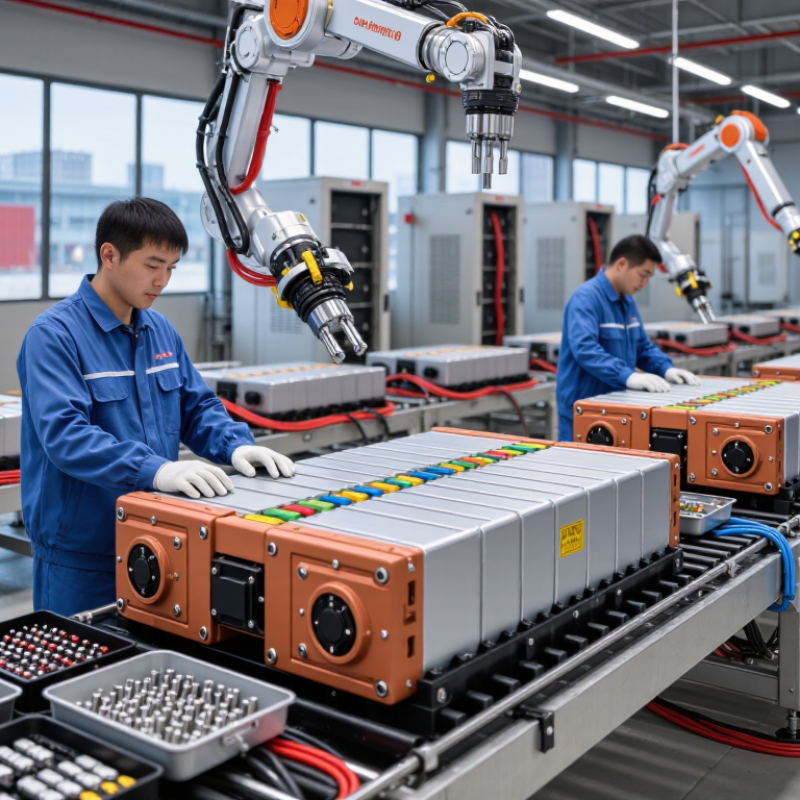
ESS Connectors: Definition, Role, and Key Applications
China Top 10 ESS Connector Manufacturers for Global Buyers
ESS connectors are specialized interfaces used in energy storage systems. They connect battery modules, racks, busbars, inverters, and control equipment. Unlike ordinary power plugs, they must handle high current, repeated mating, heat, vibration, and potential fault conditions.
Their role is both electrical and mechanical. A reliable connector keeps resistance low, limits heat buildup, and maintains stable contact during load changes. Insulation, creepage distance, locking structures, and touch protection also matter. In a battery cabinet, one loose contact can create abnormal heating within minutes. That detail is easy to underestimate.
Residential storage usually requires compact connectors with clear polarity protection. Commercial systems often need higher current ratings and easier maintenance access. Utility-scale containers may use connectors that tolerate dust, moisture, temperature swings, and long cable runs. Field inspection should include crimp quality, terminal movement, seal condition, and torque records. Visual checks alone are not enough. They can miss internal damage.
Global buyers should review rated voltage, continuous current, short-circuit performance, conductor size, operating temperature, IP rating, and mating cycles. Certification documents and batch traceability support dependable sourcing. Yet specifications are not always perfectly comparable. Different manufacturers may define current ratings under different temperatures or cable conditions. A careful buyer should request test methods, not only attractive numbers. In practice, connector selection remains a balance between safety, installation speed, serviceability, and total system cost.
ESS Connectors: Definition, Role, and Key Applications
Energy storage system (ESS) connectors provide secure electrical and signal connections between battery cells, modules, racks, power conversion systems, and auxiliary circuits. The chart shows representative continuous-current classes commonly used across ESS connection points; actual ratings vary by system voltage, conductor size, temperature, protection design, and connector specification.
How to Evaluate ESS Connector Manufacturers for Global Projects
For global energy storage projects, evaluating an ESS connector manufacturer requires more than comparing prices. Check whether the supplier understands battery voltage, current, thermal loads, and installation conditions. A capable manufacturer should provide clear drawings, material specifications, torque values, and test records.
Request evidence from real production. Factory audits can reveal connector assembly errors, weak crimping, poor labeling, or inconsistent insulation. Ask how the company controls incoming materials and traces each batch.
Review test methods for vibration, salt spray, temperature cycling, fire resistance, and repeated mating. Do not accept vague claims.
Show me the data.
Project experience also matters. Ask for anonymized references from utility, commercial, or industrial storage installations. Confirm whether the manufacturer can support custom cable lengths, locking systems, busbar layouts, and regional compliance documents. Communication speed is another practical test. Delayed answers during sampling may become serious delays during commissioning.
A reliable supplier should explain failure risks honestly. No supplier is flawless. I once saw a technically strong proposal overlook connector access after cabinet installation. The design passed laboratory checks but created difficult field maintenance.
This is why engineers should review drawings with installers, not only purchasing teams. Evaluate tooling capacity, quality staffing, replacement support, and production continuity. A lower quote may hide expensive rework, shipment delays, or unavailable spare parts.
Require a sample approval process before placing a large order.
China’s Top 10 ESS Connector Manufacturers
China’s Top 10 ESS Connector Manufacturers
China’s top ten ESS connector manufacturers are gaining attention as battery storage expands worldwide. The International Energy Agency reported that global battery storage additions exceeded 40 GW in 2023, rising by more than 130% year on year. This growth increases demand for connectors that manage high current, thermal stress, vibration, and repeated maintenance cycles.
Quality begins with practical details. Leading Chinese manufacturers typically offer touch-safe interfaces, flame-retardant housings, locking mechanisms, and copper alloy contacts with controlled plating thickness. Many products support modular battery racks, power conversion systems, and outdoor cabinets. Testing should include insertion cycles, temperature rise, insulation resistance, and salt-spray exposure. A connector may look excellent. Field performance tells more.
The China Energy Storage Alliance recorded rapid growth in China’s new energy storage installations during 2023, creating a strong testing ground for local suppliers. However, the top ten are not automatically equal. Buyers should review traceability, factory audits, failure data, and compatibility with selected cable sizes. Certification documents also need careful checking across target markets. A ranking is never perfect. Supplier claims can be polished, while small design weaknesses appear after months of heat and vibration. That uncomfortable gap deserves attention.
China Top 10 ESS Connector Manufacturers for Global Buyers - China’s Top 10 ESS Connector Manufacturers
Anonymized comparison of China-based ESS connector supplier profiles and commonly published product capabilities
Specifications shown are representative ranges commonly offered for ESS connector products in the Chinese supply market. Final ratings, certifications, ingress protection and suitability must be confirmed against the manufacturer’s current datasheet, test reports and the applicable system standard before purchasing.
Technical Standards, Safety, and Quality Certification Requirements
China Top 10 ESS Connector Manufacturers for Global Buyers
Technical compliance should guide every ESS connector purchase. IEC 61984 helps assess connector safety, while IEC 60529 supports enclosure protection ratings. UL 1977 may apply to component connectors in North American projects. Buyers should also review creepage, clearance, current rating, and temperature limits under IEC 60664. These details matter when connectors operate beside high-voltage battery racks.
Safety testing must reflect real installation conditions. Ask for crimp pull-force results, contact-resistance data, thermal cycling records, and insulation resistance tests. IP ratings should match dust, moisture, and cleaning exposure. Fire behavior also deserves attention, especially near battery modules. System-level evidence may include IEC 62619, UL 1973, UL 9540, or UL 9540A documentation, depending on the project market.
Quality certification is useful, but paperwork alone is not enough. A supplier should maintain ISO 9001 procedures, material traceability, batch records, and calibrated inspection tools. During an audit, check terminal plating thickness, seal compression, locking force, and production consistency. Request samples from regular production, not only polished laboratory units. That small distinction can expose weak control.
A certificate can become outdated. Confirm its scope, issuing body, test model, and renewal date. Also verify whether the certified design matches the supplied connector. Some buyers overlook cable size changes or revised housing materials. That is a costly mistake. Good suppliers should explain limitations clearly, although their answers may not always be perfect. Critical gaps deserve another test, not an assumption.
Global Purchasing, Export Support, and Supplier Selection Criteria
China Top 10 ESS Connector Manufacturers for Global Buyers
Global ESS purchasing now demands more than a competitive quotation. The IEA reported that battery storage additions reached nearly 42 GW in 2023, rising about 130% year on year. This growth increases pressure on connector suppliers, especially for utility-scale projects. Buyers should compare contact resistance, current ratings, insulation materials, temperature performance, and verified cycle data. A factory audit should examine crimping equipment, traceability records, and production testing. Supplier selection cannot depend on samples alone.
Export support is equally important. Reliable manufacturers should provide IEC-related test reports, RoHS and REACH documentation, UN 38.3 support where applicable, packing lists, certificates of origin, and clear HS-code guidance. Confirm whether documents match the exact connector model. Small differences can delay customs clearance. Ask about English-speaking engineers, response times, spare parts, and technical support across time zones. BloombergNEF’s 2024 energy storage research also indicated strong global deployment growth, making stable capacity planning increasingly valuable. However, published capacity claims deserve independent verification.
Tips: Request three production samples from different batches. Test heating under the intended current. Check mating force after repeated cycles. Compare Incoterms, not only unit prices. A cheaper connector may create higher installation costs. No checklist is perfect. Revisit supplier performance after the first shipment.