
Choosing the best Led Headlamp Dry Battery requires more than comparing advertised lumens. Real performance depends on runtime, beam control, battery chemistry, temperature, and durability.
The U.S. Department of Energy’s Energy Savings Forecast of Solid-State Lighting report states that LEDs can use at least 75% less energy and last up to 25 times longer than incandescent lighting. However, those figures do not directly predict headlamp runtime. A compact lamp may shine brightly for several minutes, then reduce output sharply. Numbers can mislead.
Lighting specialist James R. Brodrick, formerly associated with the U.S. Department of Energy’s solid-state lighting program, said, “LEDs are the most energy-efficient lighting technology available today.” That efficiency matters on a dark trail, inside a maintenance tunnel, or during a roadside repair. Yet the battery still controls the experience. Alkaline AA or AAA cells are affordable and widely available. Lithium cells usually perform better in cold conditions and reduce weight, but they cost more.
ANSI/PLATO FL 1 testing provides useful comparisons for beam distance, runtime, impact resistance, and water resistance. Look for test conditions, not only marketing claims. Check whether runtime means useful light or barely visible output. Hold the lamp with gloves. Open its battery door in darkness. I still overpack spare cells, because laboratory charts cannot represent every winter night.
The right choice balances brightness, regulated output, comfort, replaceable batteries, and dependable sealing. This guide examines those details, helping readers choose a Led Headlamp Dry Battery that performs beyond the product page.
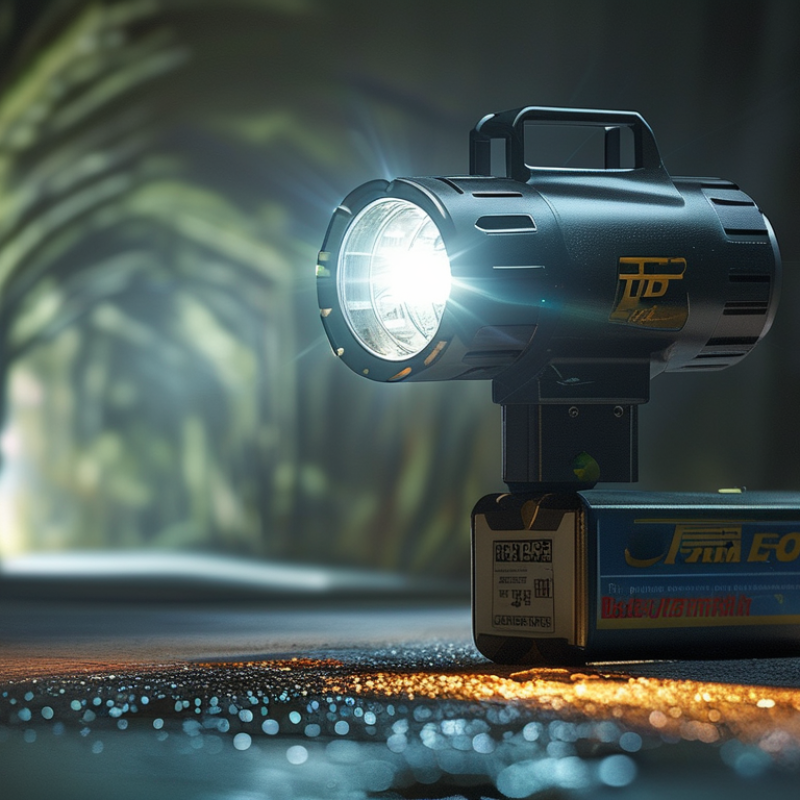
Choosing the best LED headlamp with dry batteries starts with your actual lighting task. A dim, wide beam suits reading maps or repairing equipment indoors. A stronger, focused beam helps on dark trails or unlit work areas. The U.S. Department of Energy’s 2023 Solid-State Lighting R&D Opportunities report shows that LED sources can exceed 200 lumens per watt in laboratory conditions. Real headlamps perform lower because lenses, circuits, heat, and batteries reduce efficiency.
Match brightness to distance, not marketing numbers alone. For close work, 100–200 lumens may reduce glare and preserve battery life. Night hiking may require 300 lumens or more, especially on uneven ground. ANSI/PLATO FL 1-2019 recommends testing runtime, beam distance, impact resistance, and water resistance consistently. Check whether the advertised runtime uses a declining light output. Some models appear bright initially, then fade quickly.
Your environment changes the choice. In a humid attic, light rain, or dusty workshop, look for tested water and impact protection. A rear battery compartment can feel uncomfortable under a helmet. Front-loading designs are easier with cold fingers, but not always better balanced. The U.S. National Park Service advises carrying backup lighting during night activities. Pack spare AA or AAA batteries in a sealed pouch. I prefer replaceable batteries for remote trips, though disposable cells create more waste. That trade-off deserves honest thought.
Brightness matters, but maximum lumens do not tell the whole story. A powerful beam can create glare on nearby surfaces and drain dry batteries quickly. For reading, repairs, or walking around camp, moderate brightness often feels more comfortable. Beam distance shows how far the light reaches, yet a narrow beam may leave your feet poorly illuminated. Check both specifications, not just the largest number.
Lighting modes should match real tasks. A low setting can preserve batteries during close work, while medium output suits trails and household repairs. A focused high mode helps inspect distant objects. Red light can protect night vision and reduce disturbance around others. I once trusted the highest setting too much. It looked impressive, but the batteries weakened sooner than expected. Test each mode for several minutes before relying on it. Consistent measurements from recognized flashlight testing methods are more useful than vague claims.
Tips: Carry a fresh spare battery set, and check polarity before installation. Choose controls that work with cold or gloved hands. Test the beam at floor level, eye level, and across an open yard. If the switch feels confusing, it may become worse in darkness. Also, review the battery compartment seal and headband adjustment. Small details matter.
Choosing a dry-battery LED headlamp starts with the battery chemistry, not the advertised lumen figure. Alkaline AA or AAA cells are widely available and inexpensive, but their capacity drops in cold weather and under high current. Nickel-metal hydride cells usually deliver about 1.2 volts, compared with 1.5 volts from alkaline cells. They are rechargeable, yet some headlamps show reduced brightness as voltage falls. Primary lithium cells work well in cold conditions and store longer, but replacement costs are higher.
Runtime figures need careful reading. ANSI/PLATO FL 1-2019 measures runtime until light output reaches 10% of its initial level. Therefore, a “10-hour” claim may include several hours of very weak illumination. IEC 60086-1:2021 also emphasizes that battery capacity depends on discharge rate, temperature, and test conditions. The number is not fixed. The U.S. Department of Energy’s 2023 solid-state lighting report records laboratory LED efficacy above 200 lumens per watt, but real headlamps lose energy through drivers, heat, and battery resistance.
I check the battery compartment before buying. It should accept common sizes and allow tool-free replacement with cold fingers. For hiking, I carry one sealed spare set. For occasional household use, alkaline cells may be practical. For weekly work, rechargeable cells usually reduce waste and replacement spending. My own mistake was trusting maximum brightness too much. A lower setting often lasts longer and reveals more useful detail. Test the lamp at home, because published runtime cannot predict every trail, temperature, or aging battery.
When choosing an LED headlamp with dry batteries, comfort deserves more attention than brightness. A heavy lamp can press against your forehead after thirty minutes. Look for an adjustable strap with soft, breathable padding. The battery compartment should sit securely without pulling the lamp forward. Try bending, walking, and looking down before buying. Small movement reveals poor balance quickly. I once chose a powerful model that felt fine indoors but slipped during a long outdoor repair. That mistake still influences my decisions.
Durability depends on the housing, hinges, lens, and battery contacts. Strong plastic should resist ordinary drops, while metal contacts should remain clean and firm. Check the weather-resistance rating, especially if rain or damp storage is likely. Water resistance is not the same as waterproofing. The rating should match the task. Controls also matter when your hands are cold or gloved. A large, raised button is easier to locate than a tiny smooth switch. Test the button sequence before leaving home. Some lamps cycle through too many modes, which becomes irritating in darkness. Dry batteries are convenient, but leakage can damage contacts during storage. Remove them when the lamp will sit unused for weeks. I prefer simple controls, though I sometimes underestimate how useful a low red-light mode can be. Consider that before judging the design.
| Evaluation Dimension | What to Check | Recommended Target | Why It Matters | Practical Test or Question |
|---|---|---|---|---|
| Battery Compatibility | Battery type, quantity, polarity markings, and ease of replacement | Uses commonly available AA or AAA dry batteries; supports alkaline and compatible NiMH cells where specified | Common batteries are easier to find during travel, emergencies, and outdoor activities | Confirm the manual lists the exact battery size and whether rechargeable cells are permitted |
| Comfort and Fit | Headband width, adjustability, padding, balance, and battery weight | Adjustable top and side straps, non-slip contact surface, and balanced weight without pressure points | A balanced lamp is less likely to move, slide, or cause discomfort during extended use | Wear it for 10–15 minutes and tilt your head up and down; the lamp should remain stable |
| Lighting Performance | Brightness levels, beam pattern, color mode, and published runtime | At least three brightness levels, including a low mode for close work and a focused or wide beam for movement | Different tasks require different light output; lower modes also conserve battery power | Check whether runtime is stated separately for each brightness level rather than as one unspecified figure |
| Durability | Housing material, lens protection, battery-door construction, and hinge strength | Impact-resistant housing, protected lens, secure battery compartment, and a firm angle-adjustment hinge | Outdoor equipment may be dropped, packed tightly, or exposed to repeated movement | Inspect the hinge and battery door for looseness; avoid designs that open accidentally when handled |
| Weather Resistance | Ingress Protection rating and sealing around the battery compartment | IPX4 or higher for resistance to water splashes; a higher rating is preferable for heavy rain or temporary immersion | An IP rating provides a standardized indication of protection against water and solid particles | Look for a clearly stated IP code; do not treat “water-resistant” without a rating as equivalent |
| Controls | Button size, switch location, mode sequence, and accidental-activation protection | A large, tactile button that can be operated with gloves, with a clear and predictable mode sequence | Simple controls reduce fumbling and help preserve night vision in dark environments | Test the switch while wearing gloves and verify that the lamp cannot turn on easily inside a bag |
| Battery Runtime | Runtime claims, brightness level used for testing, and low-battery behavior | Runtime information should identify the battery type, brightness setting, and whether output decreases over time | LED output often changes as batteries discharge, so a single maximum-runtime number can be misleading | Choose a model with a usable low mode and carry a spare battery set for trips longer than the stated runtime |
| Temperature and Storage | Operating temperature guidance, battery leakage risk, and storage instructions | Clear temperature guidance and removable batteries for long-term storage | Removing dry batteries when stored reduces the risk of damage from leakage | Remove batteries before prolonged storage and keep spare cells sealed and away from heat |
| Maintenance | Battery-contact quality, cleaning access, and replacement-part availability | Clean, corrosion-free contacts and a battery compartment that can be inspected without special tools | Clean contacts help maintain reliable electrical connection and consistent brightness | Check for spring tension, clean contacts, and dry the compartment completely after wet use |
| Safety Features | Lockout mode, heat management, lens condition, and visible battery warnings | A lockout function or recessed switch, stable housing, and clear low-battery indication | These features reduce accidental activation, overheating risk, and unexpected loss of light | Activate the lockout before storage and check that the lamp remains comfortable during extended operation |
A good dry-battery headlamp should balance useful brightness, battery compatibility, comfort, and price. Start by checking its required battery type, such as AA or AAA cells. Some lights accept rechargeable nickel-metal hydride batteries, while others perform best with alkaline cells. Never assume every battery works equally well. Read the operating instructions carefully.
Brightness matters, but maximum lumens can be misleading. A very bright setting may drain batteries within a few hours. For walking, repairs, or reading, a medium setting often provides better overall value. Look for several brightness levels, a stable beam, and a simple control button.
A red-light mode can protect night vision and reduce battery use. Test the switch while wearing gloves. Small buttons become frustrating in cold weather.
Comfort also affects real-world performance. A balanced lamp should stay steady when you bend or climb. Adjustable straps, a washable band, and moderate weight are worth paying for. Check water resistance if you expect rain, but do not treat it as waterproof unless the rating clearly supports that use.
Advertised runtime is usually measured under controlled conditions. Your results may differ.
I once chose brightness over battery life and regretted it during a long evening repair.
A slightly cheaper model may offer better value if its batteries are common, its parts feel durable, and its controls remain reliable.
© 2025 Grandmark International. All rights reserved.
© 2020 Grandmark. Grandmark International. All rights reserved. Proud shareholder of Temot International.