grandmark logoGrandmark International
@alexaseleno
Skip to main content

How to Choose the Best Auto Body Parts for Your Vehicle?

Choosing the best auto body parts for your vehicle can feel overwhelming. The market offers a vast range of options, each claiming to be the best. However, the right parts can significantly impact your vehicle's performance and safety.

Consider the quality of materials used in auto body parts. OEM (Original Equipment Manufacturer) parts are designed for your specific make and model. Aftermarket parts might save money but could lack the same reliability. Research brands and read reviews to ensure you are selecting trusted options.

As you choose, think about the purpose of the repair or upgrade. Are you looking for durability, aesthetics, or both? It’s essential to reflect on your priorities. Budget constraints might push you toward cheaper alternatives, but remember that investing in quality parts pays off in the long run. The right auto body parts will enhance your vehicle and provide peace of mind on the road.
How to Choose the Best Auto Body Parts for Your Vehicle?

Understanding Different Types of Auto Body Parts Available in the Market

How to Choose the Best Auto Body Parts for Your Vehicle?

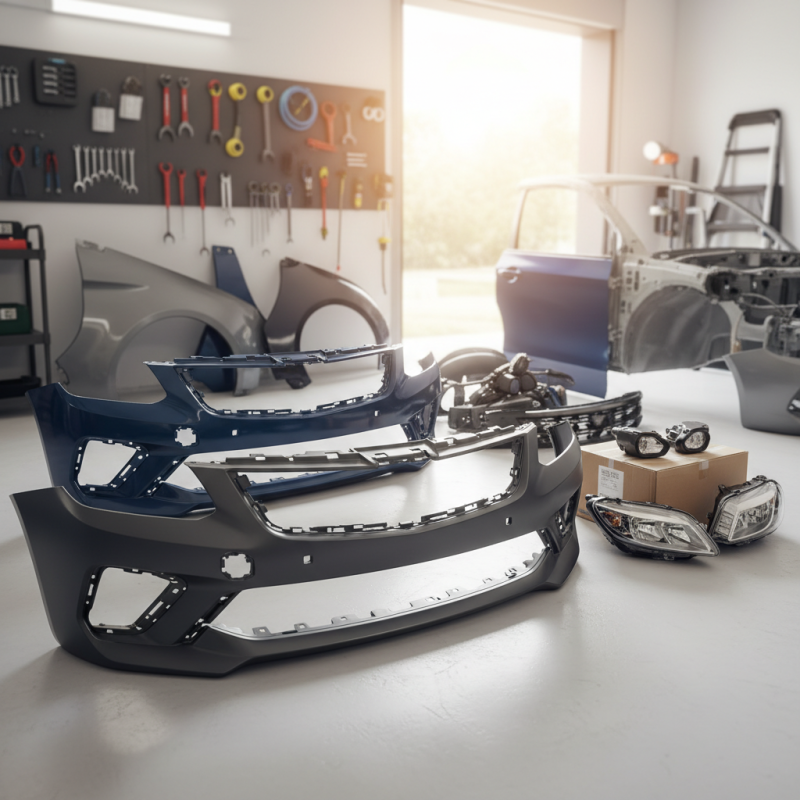
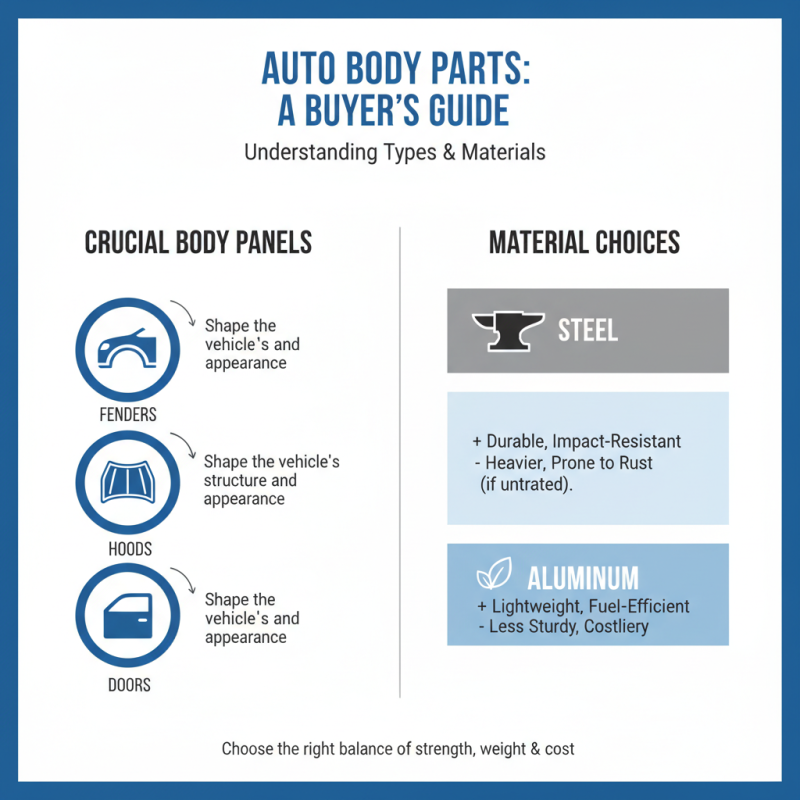
When selecting auto body parts, it's essential to understand the different types available. Body panels are crucial components. These include fenders, hoods, and doors. They come in various materials like steel and aluminum. Each material has pros and cons. Steel is durable but heavier, while aluminum is lightweight yet can be less sturdy.

You might find yourself overwhelmed by choices. Used parts can save money but may lack quality. New parts offer reliability but at a higher cost. OEM parts ensure a good fit, but aftermarket options provide flexibility. Not all aftermarket parts deliver the same performance level. Researching specifications helps assess their quality.

Safety is paramount in choosing any auto body part. Consider the impact on insurance coverage. Some savings might lead to future issues. Finding local suppliers can simplify the process. Look for reviews and ratings to gauge reliability. Always factor in warranties to protect your investment. This diligence pays off in the long run.

Assessing Quality: Original Equipment Manufacturer vs Aftermarket Parts

When choosing auto body parts, it's essential to consider quality carefully. Original Equipment Manufacturer (OEM) parts are made by the vehicle's manufacturer. They often provide a perfect fit and are built to meet strict safety standards. According to a 2021 report from the Automotive Parts Association, about 73% of technicians prefer OEM parts for their reliability and performance.

Aftermarket parts, however, can be a more economical choice. These parts are produced by third-party companies. Research shows that around 35% of car owners opt for aftermarket options due to cost savings. While they may offer varying qualities, certain aftermarket parts can outperform OEM in specific areas. For instance, enhancements in materials can lead to better durability and performance in select aftermarket components.

Yet, not all aftermarket parts are equal. Some may lack the rigorous testing that OEM parts undergo. A 2022 analysis from the Automotive Research Group highlighted that 20% of aftermarket parts had quality issues. This disparity raises concerns for many vehicle owners. It’s vital to weigh the benefits and drawbacks of both options. Making an informed choice involves understanding your vehicle's needs and your budget constraints. Always verify the source of your parts. Quality should not be compromised for the sake of cost alone.

Comparison of Auto Body Parts Quality

Evaluating Compatibility: How to Ensure Correct Fit for Your Vehicle

When selecting auto body parts, evaluating compatibility is crucial. The correct fit ensures that parts function properly and enhance vehicle performance. Start by verifying the vehicle's make, model, and year. Even slight variations can affect fit. Consulting your owner's manual can provide valuable specifications.

While online databases offer compatibility information, they can be inconsistent. Take the time to read reviews and seek expert opinions. Physical inspections are also beneficial. Visiting local shops allows for hands-on evaluation. Engaging with professionals can reveal overlooked details. Sometimes, parts that look alike might not work together effectively.

Be mindful of potential mistakes in your selection process. Misjudging compatibility can lead to wasted time and money. Consider exploring aftermarket parts; they can offer affordable alternatives. However, research their quality thoroughly. Engaging in community forums often uncovers valuable insights. Learning from others’ experiences can help you make informed decisions. Seeking knowledge creates a more reliable purchasing experience.

Cost Considerations: Budgeting for Auto Body Parts and Installation

When budgeting for auto body parts, consider your vehicle's specific needs. Start by assessing the damage carefully. You may need a variety of parts, from bumpers to mirrors. Each part has its own cost, which can vary widely.

Prices can escalate quickly. OEM parts often cost more, while aftermarket options may offer savings. Finding balance is critical. Research prices online or in local shops to ensure you make informed decisions. Keep in mind that installation costs can add significantly to your budget.

Sometimes, you might find a lower-priced part that seems appealing. However, cheaper options can result in poor performance. Quality should never be compromised for price. Reflect on the long-term implications of your choices. Investing wisely can prevent future headaches and costs.

Researching Brands and Reviews: Finding Reliable Auto Body Part Suppliers

When searching for auto body parts, researching brands and reviews is essential. Reliable suppliers often have a strong online presence. Look for websites that provide detailed product specifications and professional analysis. A well-organized website shows that a brand takes its reputation seriously.

User reviews play a significant role in this selection process. They offer insights into the quality and durability of parts. Pay attention to both positive and negative feedback. A few bad reviews among many good ones can indicate issues, but not necessarily a dealbreaker. Evaluate the totality of feedback to make an informed choice.

Seek out platforms that specialize in automotive parts. These sites usually have industry experts providing reviews. Compare opinions to get a comprehensive view of what’s available. Remember, even the best brands can have flaws. Be critical of what you read and trust your judgment.