
Choosing Steel Shelving is a practical decision with long-term operational consequences. The right system must support product weight, handling speed, workplace safety, and future growth. Grand View Research’s Industrial Racking Systems Market Report identifies warehouse expansion and inventory complexity as important market drivers. MHI’s 2024 Annual Industry Report also highlights continuing investment in supply-chain efficiency, automation, and workforce productivity. These findings point to one clear issue: storage equipment should serve the entire workflow, not only the available wall space.
Measure first.
A reliable selection begins with real operating details. Record each item’s dimensions, weight, turnover rate, and handling method. Then inspect aisle widths, floor conditions, ceiling height, and fire-protection requirements. A shelf that holds 800 pounds may still fail operationally if workers cannot reach the back safely. Rick Blasgen, former president and CEO of the Council of Supply Chain Management Professionals, said, “The supply chain is a system of systems.” His observation applies directly to shelving decisions. Steel Shelving affects picking, replenishment, counting, cleaning, and expansion.
Do not choose by price alone. Steel thickness, beam design, coating quality, adjustability, and installation support can change the total cost of ownership. A cheaper unit may create awkward gaps or frequent reconfiguration. That assumption deserves testing. Compare loaded costs, not catalogue prices. Consider modular components, labeled bays, and clear load signage. Yet even a detailed plan can miss human behavior. Watch employees work in the space. Their movement often reveals problems that a spreadsheet cannot. The best choice is durable, accessible, compliant, and adaptable.
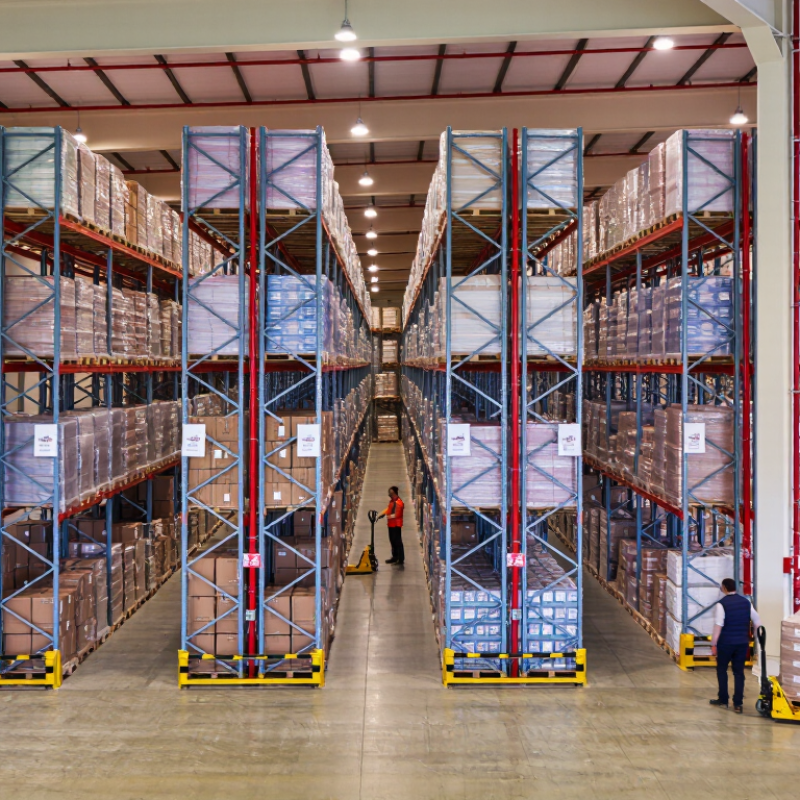
Business storage needs should guide every shelving decision. Start with a simple inventory audit. Record item weight, carton size, picking frequency, and future volume.
The 2024 MHI Annual Industry Report found that 91% of supply chain professionals expect major operational change. Your shelving should allow change, not merely fill today’s empty wall.
Measure the room carefully. Note ceiling height, aisle width, columns, doors, and sprinkler clearance. Adjustable steel shelves suit mixed inventory because shelf levels can move as products change.
Heavy cartons need reinforced beams and clearly stated load ratings. Never estimate capacity by appearance. A shelf holding 300 kilograms may require that load to be evenly distributed across every level. Uneven loading creates avoidable stress.
Safety needs practical attention. The U.S. Bureau of Labor Statistics reported 2.6 million nonfatal workplace injuries and illnesses in private industry during 2023.
Storage design cannot prevent every incident, but stable frames, secured uprights, and visible capacity labels reduce common risks.
I have seen teams choose maximum density and then struggle to reach the back row. That decision looks efficient on paper. It often is not.
Leave working clearance, inspect damaged components, and review the layout after seasonal demand changes. The perfect plan rarely survives real operations.
How to Choose Steel Shelving for Your Business?
Steel shelving starts with the product, not the catalog photograph. Boltless units suit changing inventory, while clip-in shelving allows faster shelf adjustment. Mobile shelving saves floor space but needs smooth, level flooring and careful access planning. For damp rooms, galvanized steel resists corrosion better than painted steel. Powder-coated surfaces work well in offices, stockrooms, and retail areas.
Material quality affects service life. The World Steel Association reported about 1.89 billion tonnes of crude steel production in 2023, showing the material’s global industrial scale. The U.S. Geological Survey estimated roughly 66 million metric tons of steel scrap were recycled in the United States during 2023. Recycled content can support sustainability, but it does not automatically prove better shelving. Ask for the steel grade, coating thickness, weld quality, and test documentation.
Load capacity needs careful reading. A shelf rated for 500 pounds may require evenly distributed weight, fixed spacing, and proper assembly. ANSI MH16.1-based design practice emphasizes tested frame performance and clear rated loads. OSHA guidance also expects storage equipment to remain within its rated capacity and stay in good condition. Measure real cartons, including awkward overhangs. A spreadsheet can still lie. In practice, I would leave a safety margin of 15 to 25 percent, then inspect beams, uprights, and connectors monthly. That extra margin may feel excessive. It is often cheaper than replacing damaged stock or correcting a rushed installation.
Comparison of common steel shelving options for warehouses, offices, workshops, retail areas, and industrial storage.
| Shelving Type | Typical Material | Typical Shelf Load Capacity* | Common Shelf Dimensions | Best Applications | Key Considerations |
|---|---|---|---|---|---|
| Boltless Rivet Shelving | Cold-rolled carbon steel frames with steel or particleboard decks | 350–1,000 lb (159–454 kg) per shelf | 36–96 in W × 12–36 in D (914–2,438 × 305–914 mm) | Stockrooms, garages, warehouses, archive storage | Fast assembly without nuts and bolts; load rating depends on beam design and deck type. |
| Clip-In Adjustable Shelving | Powder-coated steel uprights, beams, and panels | 200–600 lb (91–272 kg) per shelf | 36–72 in W × 12–24 in D (914–1,829 × 305–610 mm) | Offices, retail backrooms, light-duty storerooms | Shelf height can be changed easily; suitable for frequently changing inventory. |
| Heavy-Duty Industrial Shelving | Heavy-gauge galvanized or powder-coated carbon steel | 800–2,500 lb (363–1,134 kg) per shelf | 48–96 in W × 18–48 in D (1,219–2,438 × 457–1,219 mm) | Manufacturing facilities, distribution centers, tool storage | Requires level flooring and careful load distribution; anchoring may be advisable. |
| Wire Shelving | Chrome-plated, epoxy-coated, or stainless steel wire | 300–800 lb (136–363 kg) per shelf | 36–72 in W × 14–24 in D (914–1,829 × 356–610 mm) | Food service, healthcare, clean storage, retail display | Open construction improves air circulation and visibility; use solid liners for small items. |
| Mobile Steel Shelving | Powder-coated steel shelving mounted on mobile carriages | 250–800 lb (113–363 kg) per shelf | 24–48 in W × 12–24 in D (610–1,219 × 305–610 mm) | Archives, records rooms, pharmacies, compact storerooms | Maximizes floor space but costs more and requires a stable, level floor. |
| Stainless Steel Shelving | 304 stainless steel; 316 stainless steel for more corrosive environments | 300–900 lb (136–408 kg) per shelf | 36–72 in W × 14–24 in D (914–1,829 × 356–610 mm) | Commercial kitchens, laboratories, food processing, wet areas | Resists rust and is easy to clean; avoid contact with incompatible chemicals. |
| Closed-Back Steel Shelving | Powder-coated carbon steel with solid back and side panels | 300–900 lb (136–408 kg) per shelf | 36–84 in W × 12–24 in D (914–2,134 × 305–610 mm) | Offices, libraries, retail storage, parts rooms | Helps contain dust and prevents items from falling behind the unit. |
| Pallet-Style Steel Rack Shelving | Structural or roll-formed steel frames with steel beams | 2,000–5,000 lb (907–2,268 kg) per shelf level | 96–144 in W × 36–48 in D (2,438–3,658 × 914–1,219 mm) | Palletized inventory, warehouses, distribution operations | Designed for high loads; professional layout, inspection, and protection systems are important. |
Choosing steel shelving begins with measuring the work, not the empty wall. Record the height, width, and depth of each storage area. Then measure cartons, bins, tools, and the largest items you actually handle. A shelf that looks spacious may become cramped after labels and protective packaging are added. Leave clearance for hands and equipment. Small gaps matter.
Layout should support movement and visibility. Keep frequently used items between waist and shoulder height. Place heavier loads on lower levels to improve stability. Maintain clear aisles for people and handling equipment. Avoid pushing every shelf against a wall, because access and cleaning still require space. In practice, a straight layout is not always the most efficient. Corners can help, but they may create awkward reach zones.
Adjustable shelving is valuable when inventory changes. Choose systems with evenly spaced holes and shelves that can be repositioned without complicated tools. Check the rated capacity for each level, not only the entire unit. Weight should be distributed across the shelf, rather than concentrated at one point. I have seen businesses plan for today’s stock and regret it months later. That mistake is easy to make. Review the layout after real use, especially if workers bend, stretch, or move around obstacles. Inspect connections and shelf surfaces regularly. A practical design may need revision.
Durability starts with the shelf’s steel thickness, joint design, and coating quality. I have seen overloaded shelves bend after months, even when they looked solid on delivery. Check the stated load rating for each level, not just the entire unit. The rating should match your real storage habits, including uneven boxes and frequent handling. Reinforced beams reduce movement and help shelves stay level. Adjustable units are useful, but loose connections can create weak points. Tighten them during installation and inspect them regularly.
Safety deserves equal attention. Choose shelving with stable feet, secure bracing, and smooth edges. Tall units may need anchoring, especially in busy warehouses or areas with vibration. Keep heavier cartons on lower levels. Clear aisle space around the shelving, and label maximum loads where workers can see them. Small details matter. A damaged upright should not be ignored.
Wipe dust and moisture from steel surfaces before rust develops. Check bolts, braces, and foot protectors every few months. Replace bent parts instead of forcing them back into shape. A simple inspection record can reveal repeated problems, such as shifting loads or impact damage. Maintenance is rarely perfect. I once focused on visible rust and missed a loose brace. That mistake showed me that reliable shelving depends on routine checks, not appearance alone.
Choosing steel shelving starts with installation, not appearance. Boltless systems use clips or rivets, so one technician can often assemble a bay with basic tools. Bolted shelving takes longer, but its rigid joints suit heavier, fixed loads. The 2024 U.S. Bureau of Labor Statistics Employer Costs for Employee Compensation report found wages represented 70.1% of private-industry compensation costs. Installation hours therefore deserve serious attention. A cheaper shelf can become costly when every adjustment requires drilling, alignment, and additional labor.
In practical warehouse projects, I compare three figures: purchase price, installed cost, and five-year operating cost. Adjustable shelves reduce relocation expenses when inventory changes. That flexibility has real value in growing businesses. The 2024 MHI Annual Industry Report continues to identify labor availability and cost as major supply-chain pressures, making simpler installation increasingly attractive. Still, boltless does not mean careless. OSHA 29 CFR 1910.176(b) requires stored materials to remain stable and secure against sliding or collapse. Load labels, level floors, and anchored units matter more than a low invoice.
Long-term value also depends on repairs. Replaceable beams, clips, and deck panels can extend service life, while welded damage may require full-unit replacement. I would not assume the most adjustable design always wins. Frequent reconfiguration favors boltless shelving; predictable, demanding loads may justify bolted construction. In one small storage room, poor aisle planning erased the labor savings entirely. That mistake was avoidable. Measure clearances, handling routes, and future inventory before ordering.
Comparing installation methods, costs, and long-term value
The chart compares estimated 10-year ownership costs per shelving bay. The planning benchmark assumes a 7-foot-high bay with five adjustable shelves, professional installation, and normal indoor warehouse use. Boltless rivet shelving generally offers the lowest initial and long-term cost, while nut-and-bolt systems may provide greater flexibility for heavier-duty applications. Actual prices vary by load capacity, quantity, freight, floor conditions, and local labor rates.
© 2025 Grandmark International. All rights reserved.
© 2020 Grandmark. Grandmark International. All rights reserved. Proud shareholder of Temot International.