
When selecting a Fluoride Sensor, it’s essential to understand your specific needs. Fluoride sensors come in various types, each designed for different applications. Identifying the right sensor can significantly impact accuracy and efficiency.
Consider the environment where the Fluoride Sensor will be used. Some sensors perform better in lab settings, while others are suited for fieldwork. Each situation presents unique challenges and requirements. For instance, outdoor sensors need robust protection against elements while maintaining sensitivity.
Another critical factor is calibration. A reliable fluoride sensor must offer easy calibration options to ensure accuracy. Regular updates and maintenance contribute to its longevity. Remember, the right sensor enhances not only precision but also operational confidence. Think about your choices carefully; it’s worth the effort.
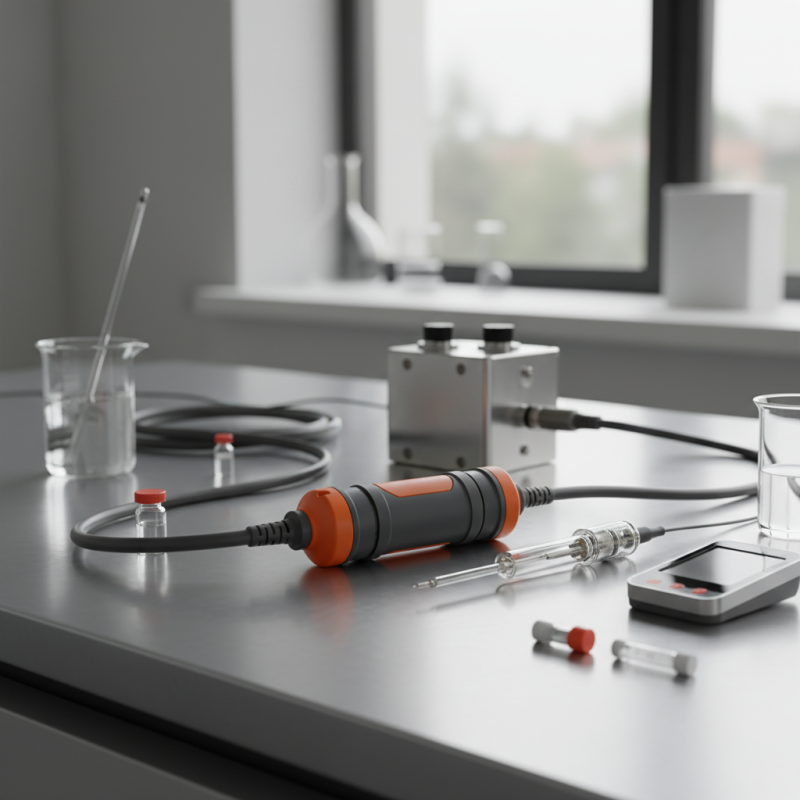
Fluoride sensors play a crucial role in monitoring fluoride levels in water and industrial applications. Understanding the types available is essential for selecting the right one. Generally, there are three major types: ion-selective electrodes (ISEs), optical sensors, and electrochemical sensors. ISEs are widely popular for their accuracy and ease of use. In contrast, optical sensors offer non-invasive testing options, which can be beneficial for various applications.
When choosing a fluoride sensor, consider several factors. Calibration frequency is vital for accuracy. Some sensors may require more frequent calibration, which can increase maintenance costs. A recent industry report indicated that over 40% of sensor failures stem from poor calibration practices.
Tips: Always check sensor performance specifications. Look for the detection limit and response time data, as these can vary significantly. Evaluate your specific needs carefully. A sensor that excels in one environment may not perform well in another. It’s worth noting that while more expensive sensors typically offer better reliability, it’s crucial to weigh this against your budget and project needs.
When selecting a fluoride sensor, several key factors come into play. Accuracy is paramount. The sensor must provide reliable readings. Consider the detection limit as well. A sensor that can detect low fluoride levels is essential for precise measurement. Calibration frequency matters too. A sensor that requires infrequent calibration can save time and effort.
Another important aspect is sensor compatibility. Some sensors are better suited for specific environments. For example, a laboratory setting may require different specifications than fieldwork. Think about the sample types the sensor will need to handle. Sensors that can accommodate various sample matrices offer more flexibility.
Cost is another factor that should not be overlooked. Higher price does not always guarantee better performance. It’s worth comparing options, keeping both features and budget in mind. Documentation and support are critical as well. Clear user manuals and responsive customer service add to the sensor's reliability. Remember, the right choice often involves a balance of technical specifications and practical application.
When selecting a fluoride sensor, accuracy and sensitivity are critical. The accuracy of a sensor indicates how close its measurements come to the true fluoride concentration. Precision in readings is paramount, especially in water treatment facilities, where fluoride levels must meet health regulations. A report by the American Water Works Association noted that accurate sensors can prevent violations of safety standards, which can jeopardize public health.
Sensitivity, on the other hand, determines the sensor's ability to detect low fluoride concentrations. Many applications, including environmental monitoring, require sensors to identify levels as low as 0.1 ppm. The Environmental Protection Agency recommends maintaining fluoride levels in drinking water between 0.7 to 1.2 ppm. Accurate and sensitive sensors enable stakeholders to ensure compliance with these guidelines, but using less sensitive devices can lead to unnoticed deviations.
It's vital to consider that not all sensors provide the same performance. Some may excel in sensitivity but falter in consistency. Fluctuations in temperature or pH can affect readings. Users should test sensors in diverse environments to ascertain reliability. Regular calibration is also essential to ensure ongoing performance. Addressing these factors can help select the most suitable fluoride sensor for varying needs.
When assessing fluoride sensors, cost and maintenance are crucial factors. Many sensors come with a variety of price points, reflecting their capabilities and reliability. Initially, it may be tempting to choose the cheaper option, but long-term costs may outweigh initial savings. Look beyond the purchase price. Consider replacement parts and calibration needs. Some sensors require frequent calibrations, driving up ongoing expenses.
Maintenance is equally important. Regular upkeep ensures accurate readings and extends the sensor's life. Maintenance might include periodic cleaning, checking for wear, and recalibrating. This might seem tedious, but neglect can lead to incorrect data. It’s not uncommon for users to overlook maintenance until it’s too late. Are you prepared to commit to this?
Think about your specific needs. Some environments may demand high accuracy, while others may not. This choice impacts both cost and maintenance. Reflect on the conditions where the sensor will be used. Humidity, temperature, and exposure to chemicals all play a role. Not every sensor can handle tough environments. Investing in a reliable model for harsh conditions may prevent future headaches. The decision requires careful thought and planning.
| Sensor Type | Cost ($) | Maintenance Frequency (months) | Calibration Requirement (months) | Detection Limit (mg/L) | Response Time (seconds) |
|---|---|---|---|---|---|
| Electrode-based Sensor | 300 | 6 | 3 | 0.1 | 30 |
| Colorimetric Sensor | 250 | 12 | 6 | 0.2 | 60 |
| Optical Sensor | 450 | 9 | 3 | 0.05 | 15 |
| Membrane Sensor | 200 | 18 | 12 | 0.3 | 90 |
Fluoride sensors are vital in various industries, from water treatment to pharmaceuticals. These devices detect fluoride concentrations, ensuring safety and compliance with health standards. In water treatment plants, accurate fluoride monitoring prevents contamination, protecting public health. Similarly, in the dental sector, sensors help measure fluoride levels in products, ensuring efficacy without excess.
The food and beverage industry also employs fluoride sensors. They monitor fluoride levels in bottled water, ensuring it meets safety guidelines. For manufacturers, this guarantees quality and health standards. In agricultural settings, monitoring fluoride prevents soil contamination, protecting crops and livestock. A robust sensor can identify fluoride levels, aiding in better land management.
However, users sometimes face challenges with sensor calibration and maintenance. Regular checks are key to ensuring accuracy. Inaccuracies could lead to adverse effects, undermining the very purpose of these sensors. Despite advancements, there's always room for improvement in sensor design and user training to enhance reliability.
© 2025 Grandmark International. All rights reserved.
© 2020 Grandmark. Grandmark International. All rights reserved. Proud shareholder of Temot International.