
In today's industrial landscape, selecting the right waterproof micro limit switch is critical. These switches play a pivotal role in ensuring equipment functions properly, especially in harsh environments. According to a report by MarketsandMarkets, the global market for limit switches is projected to reach $3.7 billion by 2026, driven by increasing demand for automation and reliability in sectors like manufacturing and automotive.
Waterproof micro limit switches are specifically designed to withstand moisture and dust, which can compromise performance. Their applications range from robotics to industrial machinery, where precision and durability are paramount. A study from the International Journal of Automation Technology indicates that devices rated at IP67 or higher significantly reduce failure rates in adverse conditions.
However, choosing the best switch is not always straightforward. Many options are available, each with varying specifications and certifications. It's essential to consider factors such as operating temperature, load ratings, and environmental conditions. The right choice can dramatically influence system efficiency and longevity. In contrast, selecting a subpar switch can lead to costly downtimes and maintenance issues. This highlights the need for careful evaluation when selecting a waterproof micro limit switch.
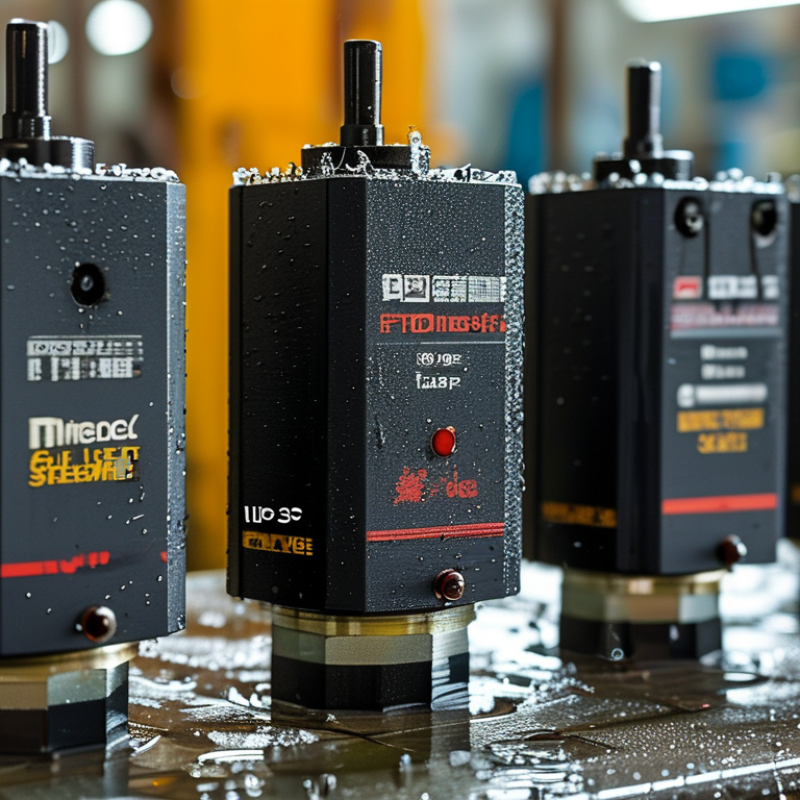
Waterproof micro limit switches are essential in many applications, especially in environments exposed to moisture. These switches maintain functionality in harsh conditions, which is crucial for ensuring operational reliability. They are commonly used in industrial machines, automotive systems, and consumer electronics. Their compact size allows for versatile placement, making them ideal for tight spaces.
When selecting a waterproof micro limit switch, consider the environmental conditions it will face. Different ratings indicate varying levels of water and dust resistance. A switch rated at IP67 can withstand immersion in water up to 1 meter for a short duration. Meanwhile, an IP68 rating offers better protection against prolonged exposure. Evaluate the specific requirements of your application to make an informed decision.
Tips: Always verify the manufacturer’s specifications. Look for products that provide detailed performance tests. Make sure to install the switch correctly to ensure it remains waterproof. Think about the long-term reliability of your choice. Regular inspection is important; wear and tear may affect performance over time. Remember, even robust switches can fail if not maintained properly.
When selecting a waterproof micro limit switch, key features can significantly affect performance and reliability. One important aspect is the ingress protection (IP) rating. A higher IP rating indicates better protection against water and dust. For instance, switches rated IP67 can withstand immersion in water up to one meter for 30 minutes. This is crucial in applications where exposure to harsh environments is common, such as automotive or industrial settings.
Material choice is equally essential. Corrosion-resistant materials, such as stainless steel or certain plastics, enhance durability. According to industry statistics, components made from robust materials can last 30% longer in adverse conditions. This longevity is vital for reducing downtime and long-term costs. Furthermore, ensuring the switch has a reliable operating temperature range is critical. Many waterproof limit switches function well in extreme temperatures, contributing further to their adaptability.
Another component to consider is the switch's actuation method. Options like snap-action and roller lever influence how effectively the switch responds to movement. This directly affects precision in machinery operations. Reports indicate that micro limit switches with snap-action mechanisms have a response time under ten milliseconds. This can be pivotal in applications requiring swift responses. Evaluating these features can lead to a more informed decision, ensuring the selected switch meets specific operational demands.
When selecting a waterproof micro limit switch, understanding environmental conditions is crucial. Assess factors like humidity, temperature range, and exposure to corrosive elements. These conditions directly influence the switch's performance and durability. A switch that performs well in mild climates may fail in extreme conditions. Therefore, always evaluate the specific environment where the switch will operate.
Consider potential debris or contaminants. Dust, liquids, or chemicals can affect switch reliability. If the switch is going into a rugged setting, choose one with enhanced sealing features. Pay attention to ingress protection ratings, as they indicate how well switches can withstand harsh conditions. A higher rating often translates to better performance.
Some users overlook the importance of installation factors. Improper mounting can lead to water intrusion. It's essential to install switches correctly to maintain their waterproof characteristics. Regular maintenance checks are also recommended, even for high-quality switches. This prevents unexpected failures and ensures reliability over time. Adapting to varying conditions often requires patience and ongoing assessment.
When selecting waterproof micro limit switches, one must consider various types available. Each type offers unique features catering to different applications. For instance, some switches employ encapsulated designs, enhancing resistance to water and dust. According to industry reports, these models often boast an IP67 rating, indicating complete protection against dust and immersion in water up to one meter for a limited duration.
Another category includes hermetically sealed switches, which are ideal in extreme environments. They provide superior durability and maintain functionality in harsh conditions. A study noted that hermetically sealed micro limit switches can operate efficiently between -40°C and 85°C, making them vital for outdoor applications. However, they can be complex and costly, leading buyers to balance performance with budget constraints.
Lastly, proximity sensors have gained popularity due to their non-contact operation. Their waterproof variants can be particularly advantageous in scenarios with high moisture or contamination risks. Nonetheless, some users report occasional false triggers in environments with heavy machinery vibrations. Observing these details can help in making informed purchasing decisions while considering the specific operational demands of your projects.
When choosing a waterproof micro limit switch, assessing reliability and durability is crucial. This type of equipment must withstand harsh environmental conditions including moisture, dust, and extreme temperatures. According to a 2021 industry report, over 30% of limit switches fail due to inadequate sealing. Thus, selecting switches with a high IP rating is essential. An IP66 rating indicates complete protection against dust and powerful water jets, making it an ideal choice for most applications.
It’s important to consider material quality. Switch housings made from stainless steel or reinforced plastic provide better corrosion resistance. Research from the Engineering and Electronics Association shows that switches built with corrosion-resistant materials last up to 50% longer in demanding environments. Additionally, opt for components with proven testing procedures. IEC certification ensures that the limits meet safety and reliability standards.
Tips for evaluation: check user reviews for long-term performance feedback. Ensure there is a clear warranty that covers durability under specified conditions. Engage with professionals or manufacturers to discuss real-world applications and challenges. Remember, not every switch is built equally; testing and user experiences can unveil hidden weaknesses. Pay attention to industry publications for updates on advancements in waterproof technology; staying informed helps ensure better choices.
| Specification | Description | Reliability | Durability | Water Resistance Rating |
|---|---|---|---|---|
| Operating Force | Force required to activate the switch. | High (>1M cycles) | Rated for heavy use with minimal wear. | IP67 |
| Actuation Type | Type of mechanism used to activate the switch. | Very reliable under stress. | Durable under harsh conditions. | IP68 |
| Electrical Ratings | Current and voltage specifications. | Long-lasting performance. | Withstands environmental extremes. | IP65 |
| Temperature Range | Operating temperature limits. | Stable performance across a range. | Resistant to thermal strain. | IP54 |
© 2025 Grandmark International. All rights reserved.
© 2020 Grandmark. Grandmark International. All rights reserved. Proud shareholder of Temot International.