
When it comes to maintaining a vehicle, one often overlooks the significance of automotive glass, despite its critical role in safety and visibility. According to a recent report by the Automotive Glass Replacement Safety Standard (AGRSS), improper installation or inferior quality of automotive glass can compromise a vehicle's structural integrity and significantly increase the risk of injury in the event of an accident. This highlights the importance of selecting the right automotive glass that not only fits the vehicle but also meets safety regulations.
Expert in the field, Dr. Emily Jensen, a prominent researcher at the International Association of Automotive Manufacturers, asserts, "The quality of automotive glass is a vital factor in ensuring both driver safety and overall vehicle performance." This statement underscores the necessity for drivers to educate themselves on the various options available in the market, considering factors such as material composition, UV protection, and lamination techniques. As vehicle technology continues to advance, making informed choices about automotive glass is more crucial than ever for ensuring safety and enhancing driving comfort.

When selecting automotive glass for your vehicle, it is essential to understand the different types available and their specific characteristics. The primary types of automotive glass are laminated and tempered glass. Laminated glass, commonly used for windshields, consists of two layers of glass with a vinyl interlayer. This construction not only provides greater safety by preventing shattering during an accident but also helps reduce noise and UV radiation entering the vehicle. On the other hand, tempered glass is often used for side and rear windows. It is treated with heat to increase its strength, making it more resistant to impacts. If shattered, it breaks into small, blunt pieces that minimize the risk of injury.
In addition to these primary types, it's important to consider other specifications such as thickness, tinting, and coatings. Thicker glass can provide better insulation and soundproofing, while tinted glass can enhance privacy and reduce glare from sunlight. Anti-reflective coatings can improve visibility, particularly at night, and hydrophobic treatments can assist in keeping the glass cleaner by repelling water. By understanding these characteristics and options, you can make a more informed decision when choosing the right automotive glass for your vehicle, ensuring both safety and comfort on the road.
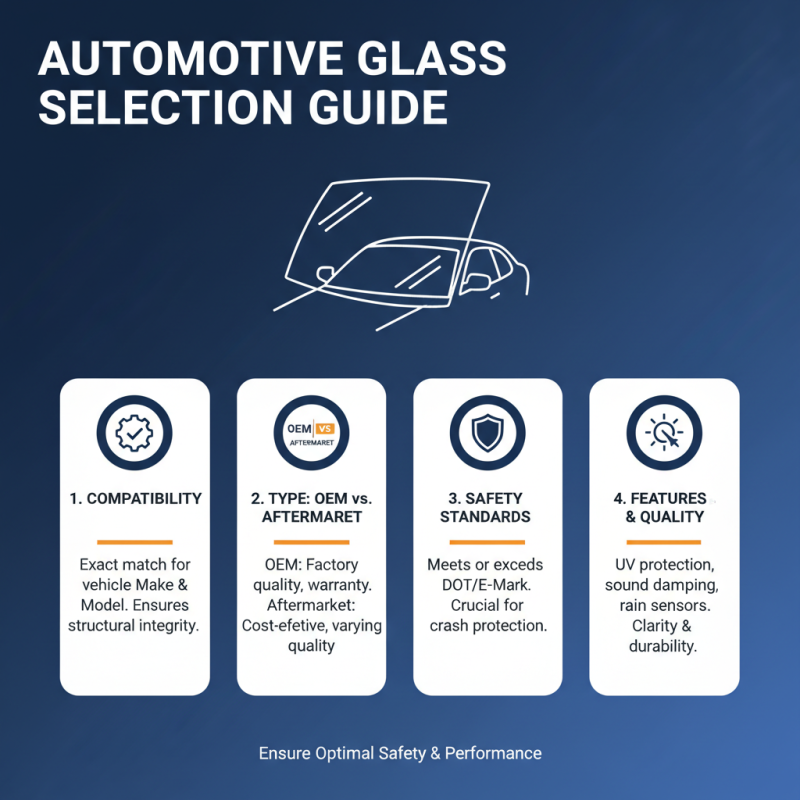
When selecting automotive glass for your vehicle, several key factors should be considered to ensure both safety and performance. First and foremost, compatibility is crucial; the glass should match the make and model of your vehicle to fit properly and maintain structural integrity. This also includes evaluating whether it's OEM (original equipment manufacturer) or aftermarket glass, as each has distinct benefits in terms of quality and warranty coverage.
Another important aspect to consider is the type of glass used. Tempered glass is commonly employed for side windows, as it is treated for strength and safety, while laminated glass, which is often used for windshields, provides enhanced protection against impacts and reduces the risk of shattering. Additionally, consider the tinting options and UV protection offered by different types of glass, as these can affect both comfort and safety while driving. By keeping these factors in mind, you can make a more informed decision when choosing automotive glass that best suits your needs.
When selecting automotive glass for your vehicle, evaluating quality and safety standards is paramount. In recent years, the automotive glass market has demonstrated a significant shift towards adherence to stringent safety regulations. According to a report by the National Highway Traffic Safety Administration (NHTSA), nearly 90% of serious road accidents are caused by visibility issues, emphasizing the necessity for high-quality glass products. The ability of automotive glass to withstand impacts and resist shattering not only enhances driver safety but also mitigates the risk of injury during an accident.
Moreover, various industry standards, such as those set forth by the American National Standards Institute (ANSI) and the European Committee for Standardization (CEN), delineate clear guidelines regarding the manufacturing and testing of automotive glass. Features such as UV protection, shatter resistance, and optical clarity are critical attributes that should be assessed when choosing the right glass. Research from the Global Automotive Glass Market report indicates that manufacturers focusing on these quality benchmarks not only comply with legal requirements but also cater to a growing consumer demand for enhanced safety features, ultimately reducing the incidence of accidents linked to glass failure. As such, weighing these quality indicators can be pivotal in making an informed decision when it comes to automotive glass selection.
When considering automotive glass for your vehicle, it's essential to strike a balance between cost and quality. High-quality glass may come with a higher price tag, but it often provides better durability and clarity, which are crucial for driving safety. Cheaper options might save you money upfront but could lead to quicker wear or necessitate replacements sooner, ultimately costing more in the long run.
One important tip is to confirm that the glass meets OEM (original equipment manufacturer) standards. Glass that adheres to these specifications ensures proper fit and function, which can prevent future issues. Additionally, evaluating the warranty offered by the manufacturer can give you insight into the product's longevity and quality assurance.
Another consideration is to conduct thorough research on the installation process. Professional installation can vastly improve the quality and longevity of the glass. Often, investing in skilled labor can prevent leaks or misfit issues, which are more common with DIY approaches. In sum, understanding these cost considerations while focusing on quality will help ensure your investment is worthwhile.
When it comes to replacing automotive glass, the significance of professional installation cannot be overstated. A proper installation ensures that the glass fits seamlessly and functions correctly, which is crucial for both safety and visibility. Poorly installed glass can lead to leaks, wind noise, and even structural issues that compromise the vehicle's integrity. It is essential to trust skilled technicians who have the expertise and tools necessary to handle the job efficiently and safely.
Choosing the right automotive glass is equally important. One tip to consider is ensuring the glass matches the specifications of your vehicle; this includes both the shape and the material used. This ensures that your vehicle maintains its original safety features. Additionally, always inquire about the type of adhesive that will be used in the installation process. A strong adhesive is vital for securing the glass properly and should meet safety standards.
Furthermore, make sure to ask about the warranty and the certification of the professionals performing the installation. A reputable technician will offer a warranty on both the glass and the labor, giving you peace of mind in your investment. With the right glass and a professional installation, you can drive confidently knowing your vehicle is equipped with quality components that prioritize your safety.
© 2025 Grandmark International. All rights reserved.
© 2020 Grandmark. Grandmark International. All rights reserved. Proud shareholder of Temot International.