Choosing the right automotive glass supplier affects more than price and delivery speed. A windshield must fit the vehicle precisely, preserve clear sightlines, and work with sensors mounted near the glass. Small mismatches can mean delays, repeat installations, or extra calibration work. The details matter.
Grand View Research estimated the global automotive glass market at USD 23.25 billion in 2023. Its report projected a 4.6% compound annual growth rate from 2024 through 2030. That growth reflects changing vehicle designs and rising demand for advanced features. But a larger market does not make every supplier equally dependable.
Automotive glass consultant Bob Beranek has stressed that “the windshield is a structural component of the vehicle.” Buyers should therefore ask suppliers about vehicle-specific fit, glass specifications, traceability, warranty terms, and support for camera or sensor calibration. Requesting sample documentation can help reveal whether quality claims are backed by clear records. A polished brochure is not enough.
Look closely at the practical details. Can the supplier identify the correct part by vehicle configuration? Are acoustic or solar-control options available where needed? How are damaged shipments handled, and who answers when an installation raises questions? Get specific answers. Then compare them against real project needs, not just a low quote.
Even careful checks cannot remove every risk. Supply conditions change, and paperwork can look reassuring while service falls short. That is worth remembering. This guide explains how to evaluate a supplier’s products, quality controls, technical support, and reliability before making a choice.
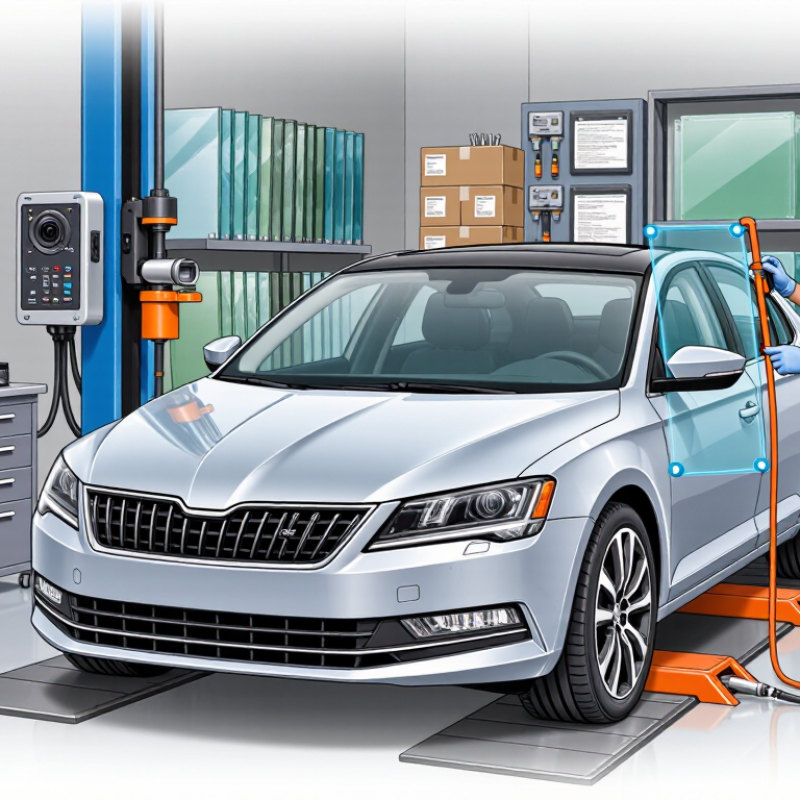
Before comparing prices, confirm the exact vehicle fitment. Year, make, and model are only a starting point. Body style, trim, production date, and sensor package can change the glass shape. A windshield may include a camera bracket, rain-sensor window, acoustic layer, or heating element. Check the VIN and compare the supplier’s part details with the vehicle, not just a catalog photo. Small differences matter.
Laminated glass bonds layers around a plastic interlayer. If it breaks, the pieces usually remain attached, helping maintain visibility and reduce the chance of glass entering the cabin. Tempered glass is heat-treated and typically breaks into smaller fragments. Many vehicles use laminated windshields and tempered side or rear glass, but configurations vary; some models use laminated side glass. Ask the supplier to identify the glass type for each position and provide matching specifications.
Fitment also includes the parts around the glass. Confirm whether moldings, clips, and sensor brackets are included, and ask if the selected glass supports required camera calibration. A technically correct pane can still be a poor match if its coating, shade, or attachment points differ. I would not rely on “fits your model” alone; that phrase can hide important details. Request the part number and written fitment confirmation before ordering.
When evaluating an automotive glass supplier, ask for documentation showing that windshield glazing meets FMVSS No. 205. The standard incorporates ANSI/SAE Z26.1 and sets a minimum of 70% luminous transmittance for glazing in areas needed for driving visibility, including the windshield. That figure is a compliance threshold, not a promise that every replacement will look equally clear. Ask for the test method, product identification, and records linking the tested glass to the part being supplied.
Paperwork matters.
A practical check is to compare the supplier’s documentation with the actual glass markings and installation details. Confirm that the glass is intended for the vehicle and that any cameras or sensors can be recalibrated after installation. NHTSA’s FMVSS No. 205 is the primary source for the 70% requirement; suppliers should be able to explain how their products demonstrate conformity rather than rely on vague assurances. Request current test records and traceability information, especially when specifications vary by vehicle.
Small details count. I would also ask how the supplier handles a mismatch between the paperwork and the delivered part. It is an imperfect safeguard, but it can expose gaps before installation.
A supplier’s paperwork should match the glass you receive. Ask for a current IATF 16949 certificate, then check the certified site and its scope. A certificate for another factory may not cover your order. IATF 16949 indicates a quality management system for automotive production; it does not prove that every pane meets every vehicle requirement. Check the certificate with its issuing body when details seem unclear.
Inspect the glass markings, too. In the United States, a DOT marking indicates the manufacturer certifies the glazing meets applicable federal safety standards; it is not a government endorsement. For markets using UNECE rules, an ECE R43 approval mark and approval number can help identify the relevant approval. Compare markings with the documents, glass type, and intended market. Small details matter. A blurred stamp is worth asking about.
Tips: Request clear photos of the permanent markings before shipment. Keep the invoice, certificate, and product specification together. Check dates, factory addresses, and glass construction. If a supplier replies vaguely, pause and verify. I’ve seen paperwork that looked tidy but left one important question unanswered: does this approval cover this exact glass? That extra check takes time. It can prevent a costly mismatch.
| Check | What It Indicates | What to Verify | Practical Supplier Question |
|---|---|---|---|
| IATF 16949 certification | A quality management system certification for organizations in the automotive supply chain. It is not a product approval or a guarantee that every glass item meets a particular vehicle specification. | Check the certificate’s validity, certified site, and scope. Confirm that the site making or controlling the supplied glass is covered. | Can you provide a current certificate and confirm which manufacturing or service locations and activities it covers? |
| DOT marking (United States) | A marking associated with U.S. Department of Transportation glazing identification. Manufacturers self-certify that products comply with applicable Federal Motor Vehicle Safety Standards; the marking is not a DOT-issued product approval. | Check that the marking is present and legible where required. Ask for documentation identifying the glazing type and applicable U.S. standard, such as FMVSS No. 205. | Can you provide the compliance documentation and identify the glazing type represented by the marking? |
| ECE R43 marking | An approval marking for safety glazing under UN Regulation No. 43 in markets that recognize the regulation. The approval relates to the relevant glazing type and approved configuration. | Check the E-mark and approval number on the glass, then verify that the approval documentation matches the product, glazing type, and intended application. | Can you provide the approval communication or supporting documents for this exact glass specification? |
| Product and vehicle fitment | Confirms that the glass is intended for the required vehicle application; markings alone do not establish fitment for every vehicle or trim. | Match the part specification, dimensions, curvature, glass construction, sensor or camera features, and vehicle configuration. | How do you confirm fitment against the vehicle identification details and required equipment? |
| Traceability and quality records | Supports identification of production batches and investigation of quality or compliance concerns. | Ask whether batch or lot records, inspection results, and a documented complaint or corrective-action process are available. | What production and inspection records can be linked to a delivered item or batch? |
| Documentation and change control | Helps ensure that specifications and approvals remain applicable when products, materials, processes, or production sites change. | Confirm that product documents are current and that relevant changes are communicated before supply. | How are specification changes, approval updates, and manufacturing-site changes communicated? |
Note: Requirements and recognition of markings vary by destination market. Verify the applicable regulations and product documentation for the vehicle and market in which the glass will be used.
Clear vision starts with glass that stays visually calm. From the driver’s seat, inspect distant signs through the center and edges of the windshield. Wavy lines, doubled lights, or uneven tint can become tiring on long drives. Ask the supplier for optical distortion and light-transmission test results, not just a general quality statement. Small flaws matter.
Impact resistance depends on the glass construction and how it is tested. Laminated windshields use a plastic interlayer to help hold fragments together after damage, but performance varies by specification. Request documentation for the exact glass type and vehicle fitment. A sample can feel solid in your hands and still reveal little about its tested performance. That part is easy to overlook.
Acoustic options may include a sound-damping interlayer or thicker glass in selected areas. Ask what frequencies the design targets and whether any noise-reduction figures come from controlled testing. Compare like with like: vehicle model, glass position, and test conditions should match. A quieter cabin is useful, though road noise also comes through tires, seals, and body panels. Supplier claims need context. If the evidence is incomplete, say so—and consider whether the added cost fits the vehicle’s actual use.
When comparing automotive glass suppliers, ask what “in stock” means: glass physically held locally, available in a regional warehouse, or merely listed in a system. Request recent fill-rate and on-time delivery figures, plus typical and worst-case lead times for common windshields and less common side glass. S&P Global Mobility reported that the average age of U.S. light vehicles reached 12.6 years in 2024. That aging fleet can mean varied vehicle specifications and harder-to-source replacement parts. Ask how the supplier handles a wrong part or a shipment delayed after your technician has booked the installation. Get the answer in writing.
Check after-sales support as carefully as price. The Auto Care Association’s 2024 Factbook put U.S. light-duty aftermarket sales at about $391 billion for 2023, reflecting a large, active replacement-parts market. A market figure does not prove any supplier’s service quality. Ask for warranty terms covering defects, installation-related claims, freight, and the time allowed to report damage. Ask who reviews a claim and how long a decision usually takes. Keep the process concrete: a cracked pane arrives at 8 a.m.; who responds, and what happens next? A polished service promise can still be vague. Test it against a recent real case, then note any gaps.
© 2025 Grandmark International. All rights reserved.
© 2020 Grandmark. Grandmark International. All rights reserved. Proud shareholder of Temot International.