What is CNC Laser Pipe Cutter and How Does It Work?
The CNC Laser Pipe Cutter is a revolutionary tool in modern manufacturing. It combines precision technology with efficient design to enhance productivity. This machine utilizes a high-powered laser to cut through various materials. Steel, aluminum, and other metals are common targets.
As industries evolve, the demand for accuracy and speed increases. The CNC Laser Pipe Cutter meets these demands, offering quick turnaround times. Its programming allows for intricate designs, reducing material waste. However, users must ensure proper training to operate it safely. Mistakes can lead to costly errors.
Understanding how the CNC Laser Pipe Cutter works is crucial for maximizing its potential. This technology may seem complex, but it simplifies intricate processes. There’s a learning curve involved. Operators should acknowledge potential hiccups and seek guidance as needed. Ultimately, mastering the CNC Laser Pipe Cutter can greatly benefit manufacturing outcomes.
What is a CNC Laser Pipe Cutter?
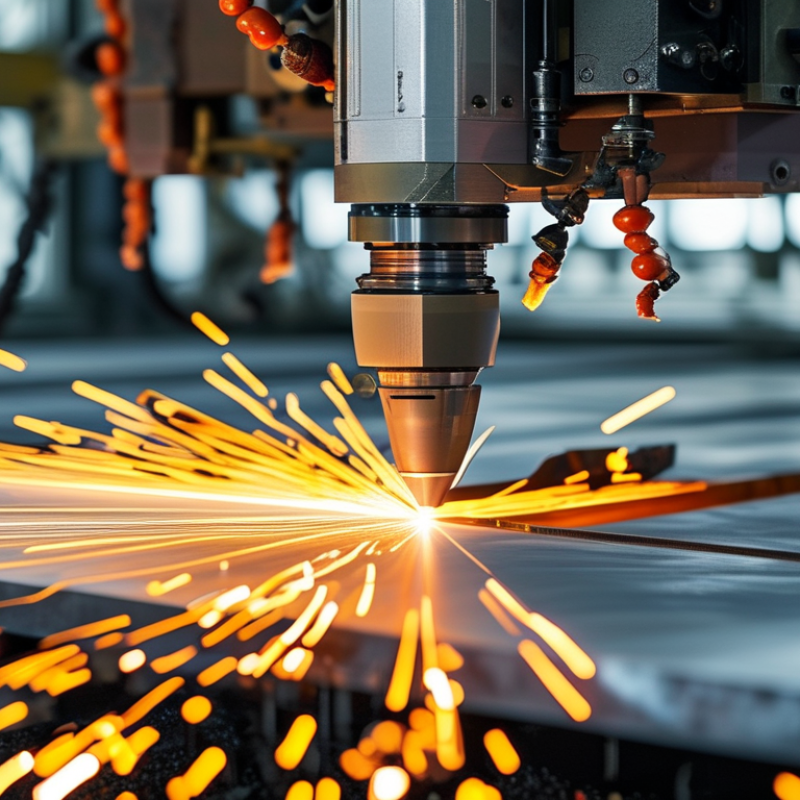
A CNC laser pipe cutter is a precise tool used for cutting various types of pipes. This machine utilizes a high-powered laser beam to slice through materials with remarkable accuracy. It is widely used in industries such as manufacturing, construction, and automotive, where precision is essential. The technology allows for intricate designs and clean cuts, minimizing wasted materials. Operators can input complex patterns and specifications directly into the system, which enhances efficiency and consistency.
The main advantage of CNC laser pipe cutters is their speed. Traditional cutting methods often require significant time and labor. In contrast, a CNC laser can cut multiple pipes simultaneously, significantly speeding up production processes. However, it is important to consider the initial investment. These machines can be costly, and smaller businesses might find it challenging to afford. Additionally, proper training and maintenance are crucial for optimal performance. Inexperienced operators might face issues, leading to errors. Thus, while these machines offer great benefits, careful planning is necessary to ensure successful implementation.
Key Components of CNC Laser Pipe Cutters
CNC laser pipe cutters are essential tools in modern manufacturing. They combine precision and speed, making them ideal for various industries. The main components of these machines include the laser source, beam delivery system, and motion control systems.
The laser source is typically a fiber or CO2 laser. The choice affects cutting ability and material compatibility. According to a recent industry report, fiber lasers offer higher efficiency, cutting thick materials better than other laser types. This can lead to significant cost savings for manufacturers.
The beam delivery system directs the laser to the cutting area. Mirrors or fiber optics guide the laser, ensuring precision and minimizing energy loss.
The motion control system moves the workpiece or cutter. It utilizes CNC technology to handle complex tasks with accuracy. Automation in this area can enhance productivity but may require skilled operators. Such systems need regular maintenance for optimal performance. Data suggests that nearly 30% of operational downtime in laser cutting machines can be traced to improper maintenance, emphasizing the importance of regular checks.
Understanding these components allows manufacturers to make informed decisions, ensuring they select the best systems for their needs.
How CNC Laser Pipe Cutters Operate and Function
CNC laser pipe cutters are essential tools in modern manufacturing. They utilize advanced laser technology to achieve precise cuts on various types of pipes. These machines operate by focusing a high-powered laser beam onto the pipe surface. The intense energy from the laser melts or vaporizes the material, allowing for clean and accurate cuts. This process is much faster than traditional methods, which typically involve slower, mechanical cutting tools.
According to a market report by Innovation and Reports, the global demand for CNC laser cutting machines is expected to grow at a CAGR of 5.5% from 2021 to 2028. This growth is driven by heightened efficiency and reduced material waste. CNC laser cutters can operate across different materials, including steel, aluminum, and plastic. This versatility makes them crucial in various sectors like automotive and construction.
However, there are challenges. The initial cost of these machines can be high, limiting accessibility for small businesses. Furthermore, the setup and programming require skilled personnel. The industry still faces a gap in training, leading to underutilization of the technology. Effective training programs must be developed to ensure operators can maximize the benefits of CNC laser cutting systems.
CNC Laser Pipe Cutter Efficiency Analysis
Applications of CNC Laser Pipe Cutters in Various Industries
CNC laser pipe cutters have transformed various industries by providing precise and efficient cutting solutions. These tools are essential in sectors like automotive, construction, and aerospace. According to a recent report by Grand View Research, the global market for laser cutting machines is projected to reach USD 6.7 billion by 2025, with CNC laser pipe cutters playing a significant role. This technology enhances productivity, reduces waste, and delivers high-quality edges.
In the automotive industry, CNC laser pipe cutters are used for exhaust systems and structural components. They allow for complex designs with tight tolerances. In construction, these machines facilitate the fabrication of steel and aluminum structures, ensuring quick assembly and enhanced safety. Aerospace manufacturers utilize laser cutting for lightweight components, where precision is critical. The adaptability of CNC laser pipe cutters makes them indispensable across these fields.
Tip: Regular maintenance of CNC laser pipe cutters is essential. It prevents unexpected downtime and prolongs the machine's life. Also, understanding the materials and thicknesses being cut will improve accuracy. Proper training for operators can reduce errors. Reflecting on process efficiencies can lead to better overall performance in production lines.
Advantages of Using CNC Laser Pipe Cutters Over Traditional Methods
CNC laser pipe cutters are revolutionizing metal fabrication. Their precision and efficiency offer distinct advantages over traditional cutting methods. For instance, they produce clean, smooth edges without the need for secondary processing. This reduces material waste and ensures a tighter tolerance on dimensions.
One major advantage is speed. CNC laser cutters can process complex designs quickly, minimizing downtime in production. Traditional methods often require manual adjustments, which can slow down the workflow. Moreover, CNC technology allows for the automation of the cutting process. Operators can program the machine for various shapes, resulting in consistent cuts no matter the design complexity.
However, not everything about this technology is perfect. Initial costs can be high. Investment in CNC technology requires careful consideration and planning. While the return on investment can be significant, small businesses might struggle to afford it. Some workers may also find it challenging to transition from manual methods to automated processes. Training is essential but can be time-consuming. Despite these challenges, the benefits of CNC laser pipe cutters are considerable and often outweigh the drawbacks.
What is CNC Laser Pipe Cutter and How Does It Work? - Advantages of Using CNC Laser Pipe Cutters Over Traditional Methods
| Feature | CNC Laser Pipe Cutter | Traditional Methods |
| Cutting Precision | High precision with minimal kerf | Lower precision, wider kerf |
| Speed | Fast cutting speeds, reducing production time | Slower cutting speeds, longer production time |
| Material Versatility | Can cut a variety of materials (metals, plastics, etc.) | Limited material types |
| Operating Costs | Higher initial investment but lower operational costs | Lower initial investment but higher operational costs |
| Ease of Use | User-friendly with automated programming | Requires skilled operators for manual adjustments |
| Waste Generation | Minimal waste | Higher waste due to less efficient cutting |