When it comes to maintaining your vehicle, understanding the potential issues that can arise with the car engine is essential. An efficient engine is the heart of your automobile, and any problems associated with it can lead to significant performance issues, increased repair costs, and compromised safety on the road. This article will explore the top 10 most common car engine problems, providing both insights into their causes and practical solutions for repair.
From overheating issues to strange noises, drivers must be aware of the signs that indicate their car engine may require attention. Many of these problems can arise due to neglect or lack of proper maintenance, making it crucial for car owners to stay informed and proactive. By understanding these common car engine issues and their respective fixes, you can enhance your vehicle's longevity and ensure a safe driving experience. Whether you are a seasoned automotive enthusiast or a new driver, this guide will equip you with the knowledge needed to tackle these engine challenges effectively.
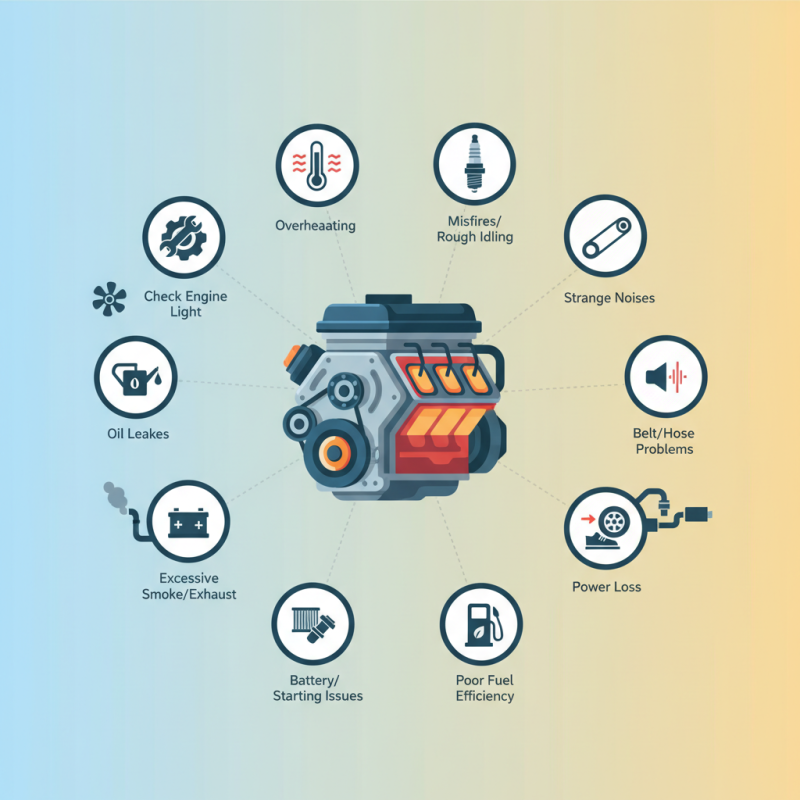
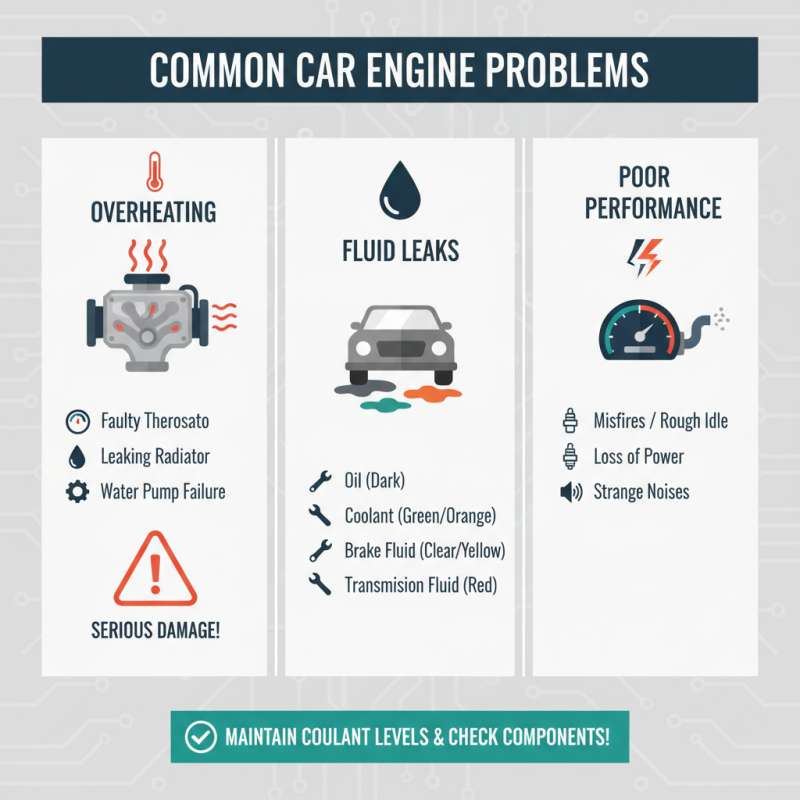
Car engines are complex systems that can encounter a variety of problems over time. One of the most common issues is overheating, which can be caused by a faulty thermostat, a leaking radiator, or a malfunctioning water pump. When an engine overheats, it can lead to serious damage, so it’s essential to diagnose and fix the underlying issue promptly, ensuring proper coolant levels and functionality of cooling components.
Another prevalent problem is misfiring, which occurs when one or more cylinders do not fire correctly. This may be due to faulty spark plugs, ignition coils, or fuel injectors. Misfiring can lead to decreased performance and increased fuel consumption, so it is crucial to regularly inspect these components to maintain engine efficiency. Additionally, oil leaks are a frequent concern, often stemming from worn gaskets or seals. Addressing oil leaks not only prevents further damage but also ensures the engine operates smoothly and efficiently.
When it comes to car maintenance, being able to identify symptoms of engine issues is crucial for preventing further damage and costly repairs. One of the most common indicators is unusual noises coming from the engine. If you hear knocking, tapping, or grinding sounds, it could signal a range of problems, from low oil levels to more serious internal damage. Additionally, if your engine is producing excessive smoke, be it blue, white, or black, it’s essential to address this immediately as it can indicate oil consumption, coolant leaks, or fuel issues.
Another significant symptom to watch for is a decrease in engine performance, which can manifest as a lack of acceleration or rough idling. These performance issues may point toward problems with components like the fuel injectors, spark plugs, or even the air filter. Furthermore, an illuminated check engine light should never be ignored. This warning can signify a multitude of issues ranging from minor concerns to serious faults. Regularly checking for these symptoms and addressing them promptly can help extend the life of your vehicle and ensure smoother operation on the road.
When it comes to car engine problems, understanding and implementing effective troubleshooting techniques is essential for any vehicle owner. According to industry reports from the Automotive Research Institute, nearly 20% of car owners experience engine issues annually, making it critical to diagnose and address these problems swiftly. A comprehensive step-by-step troubleshooting approach can help pinpoint the root cause of engine symptoms, ultimately saving time and reducing repair costs.
The first step in troubleshooting engine problems involves visual inspections. Check for obvious signs of oil leaks, damaged hoses, or frayed belts. The Engine Performance Diagnostics report indicates that about 15% of engine failures stem from deteriorated engine components that can be visibly inspected before further diagnostics are necessary. Once visible issues are assessed, the next step is to utilize onboard diagnostics (OBD) tools to read error codes. These codes provide significant insights into the engine’s health and can indicate specific components that may need replacement or repair. Recent data shows that effective use of OBD can reduce diagnostic time by up to 30%, allowing for quicker resolutions.
Lastly, conducting regular maintenance checks, including oil changes, air filter replacements, and spark plug inspections, is crucial for preventing engine problems. Statistics from the Automotive Maintenance Association reveal that routine maintenance can extend engine life by as much as 50%. By integrating systematic troubleshooting techniques alongside scheduled maintenance, car owners can effectively mitigate engine issues, ensuring their vehicles run smoothly and efficiently for years to come.
Engine overheating is one of the most prevalent issues faced by car owners, often exacerbated by various factors such as inadequate maintenance and environmental conditions. According to industry reports, approximately 30% of engine failures are attributed to overheating. This problem can lead to serious consequences, including engine damage or failure, which can be a costly setback for many drivers.
To effectively address overheating, regular maintenance is crucial. Vehicle owners should routinely check coolant levels, ensuring that they are topped up and free of contaminants. The coolant plays a vital role in regulating engine temperature, and any deficiency can lead to overheating. Additionally, inspecting and replacing worn hoses and belts can prevent coolant leaks and ensure that the engine cooling system operates efficiently. Studies indicate that up to 50% of overheating issues could be mitigated with proactive maintenance measures, emphasizing the importance of a diligent maintenance schedule.
In cases where overheating persists, it may be necessary to examine the thermostat and radiator for potential malfunctions. A faulty thermostat can prevent coolant circulation, while a clogged radiator reduces heat dissipation. Replacing these components, along with seeking professional assistance if needed, can significantly reduce the chances of overheating. By understanding these common problems and their solutions, car owners can extend the lifespan of their engines and enhance overall vehicle reliability.
| Problem | Symptoms | Causes | Solutions |
|---|---|---|---|
| Engine Overheating | Temperature gauge rising, steam from hood | Low coolant, faulty thermostat | Check coolant levels, replace thermostat if needed |
| Oil Leaks | Puddles under the car, oil spots | Worn gaskets, loose oil filter | Tighten or replace gaskets, check oil filter |
| Rough Idling | Engine shaking, stalling | Dirty fuel injectors, misfiring spark plugs | Clean fuel injectors, replace spark plugs |
| Check Engine Light | Dashboard warning light | Various issues, sensor failures | Run a diagnostic scan, address error codes |
| Poor Fuel Economy | Frequent refueling, low mileage | Dirty air filters, fuel system issues | Replace air filters, check fuel system |
| No Start | Engine won't turn over | Dead battery, faulty starter | Jump start battery, replace starter if needed |
| Engine Knocking | Unusual noises from engine | Low oil levels, poor fuel quality | Check oil levels, use higher octane fuel |
| Excessive Exhaust Smoke | Visible smoke from exhaust | Burning oil, coolant leaks | Inspect for leaks, check engine oil quality |
| Overheating | Temperature gauge high | Coolant leak, faulty water pump | Check for leaks, replace water pump if faulty |
| Vibration at High Speeds | Shaking car while driving | Unbalanced wheels, engine mounts | Balance wheels, inspect engine mounts |
Preventive maintenance is crucial for ensuring the longevity and efficiency of your vehicle's engine. According to the Car Care Council, an estimated 70% of vehicles fail to receive proper maintenance, which can lead to severe engine problems. Regularly checking and changing engine oil, as the American Automobile Association (AAA) recommends every 3,000 to 5,000 miles, helps to reduce friction and wear, ultimately preventing costly repairs.
Tips for maintaining your engine include monitoring fluid levels and inspecting belts and hoses for any signs of wear or damage. The Engine Builder magazine emphasizes that neglecting such checks can result in overheating or a failure to start. Additionally, replacing air filters based on manufacturer recommendations ensures that your engine receives adequate airflow, aiding fuel efficiency and performance. Keeping the engine clean from debris and dirt will also prevent unnecessary strain on engine components, prolonging their lifespan.
Another vital aspect of engine maintenance is regular tune-ups. The Automotive Service Association reports that proper tuning can enhance fuel efficiency by up to 15%. Addressing minor issues immediately, such as strange noises, leaks, or warning lights, can prevent them from escalating into more significant, costly engine problems. Adhering to these routine maintenance practices not only keeps your engine running smoothly but also enhances overall vehicle safety and performance.
© 2025 Grandmark International. All rights reserved.
© 2020 Grandmark. Grandmark International. All rights reserved. Proud shareholder of Temot International.