What Is an Electric Water Heater and How Does It Work?
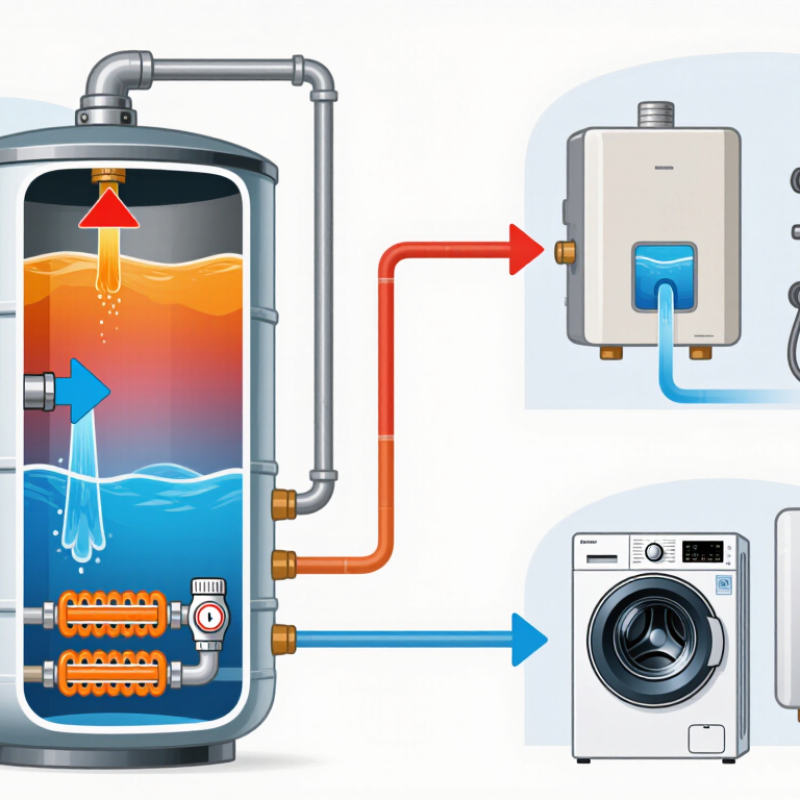
An electric water heater uses electrical energy to warm water for showers, sinks, laundry, and other household needs. In a common storage-tank model, cold water enters near the bottom of an insulated tank. One or two heating elements warm the water, while thermostats monitor its temperature and switch the elements on or off. Hot water rises toward the outlet at the top. No flame is involved. When someone opens a hot-water tap, pressure pushes stored hot water through the pipes, and incoming cold water replaces it. The tank then reheats that water, which takes time and uses energy.
Not every electric water heater stores water. Tankless models heat water as it flows across an electric heating element, so they work differently and depend on the home’s electrical capacity and hot-water demand. The right choice can depend on household size, space, energy use, and local installation conditions. Small details matter, including tank insulation, thermostat settings, and the distance between the heater and a tap. A long pipe run can mean waiting while cooled water drains away. That is easy to overlook. Electric models avoid combustion at the appliance, but their wiring, circuit requirements, and installation still deserve careful attention. Check the manufacturer’s instructions and have electrical or plumbing work assessed by a qualified professional. Real homes vary, and a heater that looks suitable on paper may not meet every household’s needs. Knowing how the system heats and delivers water makes comparison more practical.
What an Electric Water Heater Is
An electric water heater is an appliance that uses electricity to provide hot water for sinks, showers, and other household fixtures. It does not burn gas or oil. Most models use either a storage tank or a tankless design. A tank model holds a set amount of water inside an insulated metal cylinder. Electric heating elements sit inside the tank, while a thermostat monitors the water temperature. Simple idea. The outer cabinet may feel cool, even when the water inside is hot.
Tankless electric heaters have no large storage tank. Instead, they contain heating elements that warm water as it passes through the unit. Both types need suitable electrical service, and their size should match the household’s hot-water needs. A small tank may run short during back-to-back showers; an oversized one can use more energy than necessary. Details matter. The term “electric water heater” sounds straightforward, but designs and capacities vary. Checking the unit’s label and installation guide gives a clearer picture than relying on appearance alone.
What Is an Electric Water Heater and How Does It Work? - What an Electric Water Heater Is
| Dimension | How It Works | Typical Details |
| Basic definition | An electric water heater uses electrical resistance to heat water for household use. | Common types include storage-tank and tankless models. |
| Heating elements | Electric current passes through one or more metal elements, which warm the surrounding water. | Many storage models use two elements, commonly rated around 3,000–5,500 watts each; specifications vary. |
| Storage tank | The insulated tank holds heated water until a tap or appliance needs it. Cold replacement water enters as hot water leaves. | Residential storage models are available in a range of capacities, often roughly 20–80 gallons. |
| Thermostats | A thermostat senses water temperature and switches the heating element on or off to maintain its set point. | Many household settings are near 120°F (49°C); the appropriate setting depends on safety needs and local guidance. |
| Hot-water delivery | Hot water flows from the tank’s outlet to fixtures. The tank reheats incoming cold water as its temperature drops. | Available hot-water supply depends on tank capacity, element output, incoming water temperature, and usage. |
| Tankless operation | A tankless unit heats water as it flows through the appliance rather than storing a tankful of hot water. | Electric tankless models can require substantial electrical capacity; suitability depends on the home’s wiring and service. |
| Safety controls | Temperature controls and protective devices help manage operation and reduce risks from overheating or excess pressure. | Storage units commonly include a temperature-and-pressure relief valve; installation and maintenance should follow applicable codes. |
| Energy use | Electricity consumption depends on how much water is used, the incoming water temperature, the set temperature, and heat loss. | Insulation, efficient settings, and reducing unnecessary hot-water use can help limit energy consumption. |
The Main Components and Their Functions
An electric water heater stores water in an insulated tank and warms it with electrical resistance elements. Its main components work together to heat, hold, and deliver hot water safely. The tank contains the water, while insulation around it slows heat loss between uses.
A thermostat senses water temperature and switches the heating elements on or off. Many tanks have upper and lower elements; they usually heat different sections at different times. A dip tube carries incoming cold water toward the tank’s bottom, helping keep it apart from hot water near the top. The anode rod helps limit corrosion inside the tank, though it wears down and needs periodic inspection. A temperature-and-pressure relief valve opens if pressure or temperature becomes excessive. That part matters. The drain valve allows sediment to be flushed out, but maintenance details can vary by model.
Tips: Check the heater’s manual before adjusting settings or draining the tank. A lukewarm tap may point to a thermostat or element issue, but that clue is not conclusive. Turn off power at the breaker before any inspection involving electrical covers; call a qualified technician if wiring or testing is involved. Even a well-maintained heater can collect sediment over time.
How Electricity Heats and Stores Water
What Is an Electric Water Heater and How Does It Work?
An electric water heater uses heating elements to warm water inside an insulated tank. A thermostat senses when the water cools and switches an element on. In many tank models, cold water enters near the bottom, while heated water rises and flows to taps. No flame is involved. The process is quiet, though a faint click may come from the thermostat.
The tank stores hot water for later use. Insulation slows heat loss, but it cannot stop it completely, so the heater may switch on even when no tap is running. That standby heating uses electricity. It is not instant. After a long shower, the tank needs time to recover, and the wait depends on its size, temperature setting, and element power. I used to think a warm tank meant unlimited hot water; it does not.
Tips: Check the manufacturer’s instructions before adjusting temperature settings. A setting that is too high can increase scald risk, while one that is too low may not suit every household. If water suddenly turns cold, or the breaker trips repeatedly, stop troubleshooting electrical parts yourself and contact a qualified technician.
How Electricity Heats and Stores Water
An electric resistance element converts electricity into heat, warming the water stored in the tank. This chart estimates the energy needed to heat 50 US gallons of water to 120°F from different starting temperatures. Values are ideal estimates and exclude heat loss.
Warmer incoming water needs less energy to reach the same storage temperature. Actual consumption varies with tank heat loss and heater efficiency.
How Thermostats Control Water Temperature
An electric water heater stores water in an insulated tank and warms it with electric heating elements. Thermostats regulate when those elements switch on and off. Each thermostat senses the temperature near its position in the tank, rather than measuring every drop of water.
When the water cools below the selected setting, the thermostat closes an electrical circuit and sends power to a heating element. Once the water reaches the target temperature, it opens the circuit. In many two-element heaters, the upper thermostat heats the top section first, then directs power to the lower element. The lower element warms the rest of the tank.
That small pause matters.
A thermostat is a control, not a perfect thermometer. Temperature can vary between the top and bottom of the tank, and a setting may not match the water temperature at the tap exactly. If showers turn unexpectedly cool or water feels unusually hot, the thermostat, element, or another part may need attention. Turning off power at the breaker is essential before any inspection; internal components can remain dangerous to handle. I find the simple on-and-off cycle easy to overlook, even though it shapes everyday comfort and energy use.