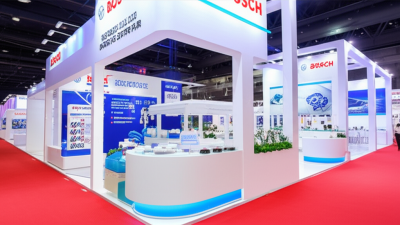
As the automobile glass industry continues to evolve, the upcoming 2025 China Import and Export Fair presents a pivotal platform for showcasing the latest innovations and trends within this sector. Recent market analysis indicates that the global automobile glass market is poised to reach approximately USD 32.17 billion by 2027, reflecting a CAGR of 5.3% from 2020 to 2027. This growth is driven by increasing vehicle production, advancements in glass manufacturing technology, and heightened safety regulations.

Additionally, the rising demand for electric vehicles, which often incorporate high-tech glass solutions for weight reduction and energy efficiency, underscores the significance of automobile glass in modern automotive design. Industry experts anticipate that the fair will highlight key developments such as smart glass integration and eco-friendly materials, thus shaping the future landscape of the automobile glass market in China and beyond.
At the 2025 China Import and Export Fair, the automobile glass industry is witnessing groundbreaking innovations that promise to revolutionize vehicle design and safety. Leading manufacturers showcased advancements in laminated and tempered glass technology, enhancing durability while reducing overall weight. These innovations are not only pivotal for improving fuel efficiency but also integral to meeting stringent global safety standards.
Moreover, the integration of smart glass technology is a major highlight at the fair. Smart glass offers dynamic functionalities, such as adjusting transparency based on light exposure, which enhances passenger comfort and privacy. This technology is complemented by advancements in self-cleaning coatings that repel dirt and debris, ensuring optimal visibility and safety on the road. As these innovations take center stage, it is clear that the future of automotive glass is not just about aesthetics but about leveraging technology to create safer and more efficient vehicles.

The automobile glass industry is witnessing a transformative shift driven by sustainability initiatives, as highlighted during the 2025 China Import and Export Fair. In recent years, the global market for automotive glass has been projected to grow significantly, with forecasts indicating a rise from USD 21.5 billion in 2020 to approximately USD 30 billion by 2027. This growth is closely linked to the industry's commitment to eco-friendly practices, which are increasingly influenced by consumer preferences and regulatory pressures.
Key sustainability initiatives include the adoption of recycled materials in glass production and innovations in energy-efficient manufacturing processes. According to the latest report from Research and Markets, the use of recycled glass could reduce energy consumption in the production process by up to 50%. Moreover, companies are investing in research and development to create lightweight, high-performance glass that not only enhances vehicle fuel efficiency but also lowers the carbon footprint of automotive manufacturing. As the industry embraces these sustainable practices, it positions itself as a crucial player in the broader narrative of environmental responsibility in transportation.
The automobile glass industry is witnessing transformative changes, particularly with the advent of smart glass technology. This innovation enhances vehicle safety and efficiency by integrating advanced functionalities that were previously absent in traditional glass. Smart glass features, such as electrochromic properties or embedded displays, allow drivers to adjust tint levels according to lighting conditions, thereby reducing glare and increasing visibility. This dynamic adaptability contributes to a safer driving experience by improving comfort and minimizing distractions.
Moreover, smart glass can significantly impact energy efficiency in vehicles. By optimizing natural light usage, it can reduce reliance on artificial lighting and climate control systems, leading to lower energy consumption. Features like automated temperature regulation help maintain an optimal cabin environment, which is crucial for electric and hybrid vehicles striving for extended battery life. As the demand for sustainable transportation solutions grows, the incorporation of smart glass into automotive design reflects a commitment to innovation that prioritizes both safety and environmental responsibility. This trend is expected to gain momentum as manufacturers showcase their latest advancements at the 2025 China Import and Export Fair.
This chart illustrates the impact of smart glass features on vehicle safety and efficiency in the automobile glass industry based on trends observed in 2025.
The automobile glass industry is experiencing a significant surge in demand, driven by the expansion of the automotive sector and evolving consumer preferences. As the desire for safety and aesthetic appeal in vehicles grows, automobile manufacturers are increasingly integrating advanced glass technologies into their designs. This trend is reflected in the increasing use of lightweight and durable materials that not only improve vehicle performance but also enhance passenger comfort and visibility. The incorporation of features such as tinted and insulated glass is becoming standard, catering to consumers’ demands for both functionality and style.
Furthermore, consumer preferences are shifting towards environmentally friendly alternatives, leading to innovations in production processes within the glass industry. Companies are exploring sustainable practices and materials that align with the growing trend of green consumerism. As a result, the market is witnessing the introduction of eco-friendly glass products, which appeal to environmentally conscious buyers. The continual evolution of consumer expectations is a critical driver for the expansion of the automobile glass market, compelling manufacturers to adapt and innovate to maintain competitive relevance in a rapidly changing landscape.
Emerging trends in the automobile glass industry, particularly highlighted at the 2025 China Import and Export Fair, underscore the pivotal role of collaborations and partnerships in shaping future production dynamics. As manufacturers face increasing pressures from tariffs and rising costs, strategic alliances become essential for sustaining operations within the automotive supply chain. These collaborations allow companies to share resources, mitigate expenses, and enhance innovation, ultimately leading to more resilient and adaptive production processes.
Additionally, recent partnerships demonstrate the importance of cross-industry collaborations. For instance, the commitment to low-carbon steel production signifies a shift towards sustainability that can be mirrored in the automotive glass sector. Such efforts not only promise to enhance product quality but also align with growing consumer demand for environmentally friendly practices. As industry players converge on shared goals, we can anticipate significant advancements in automotive glass technology, driven by collaborative innovations and a unified vision for the future.
© 2025 Grandmark International. All rights reserved.

© 2020 Grandmark. Grandmark International. All rights reserved. Proud shareholder of Temot International.