The evolution of auto windshields has been a pivotal aspect of automotive safety and design, reflecting advances in technology and material science over the years. Car manufacturers have continually sought to enhance the protective qualities of auto windshields, driven by the need to safeguard occupants from external hazards while also improving visibility and comfort. Early windshields were merely panes of glass, but today's models boast a range of innovative safety features, such as lamination, impact resistance, and integration with advanced driver-assistance systems. This transformation not only contributes to a more secure driving experience but also highlights the ongoing commitment to innovation within the automotive industry.
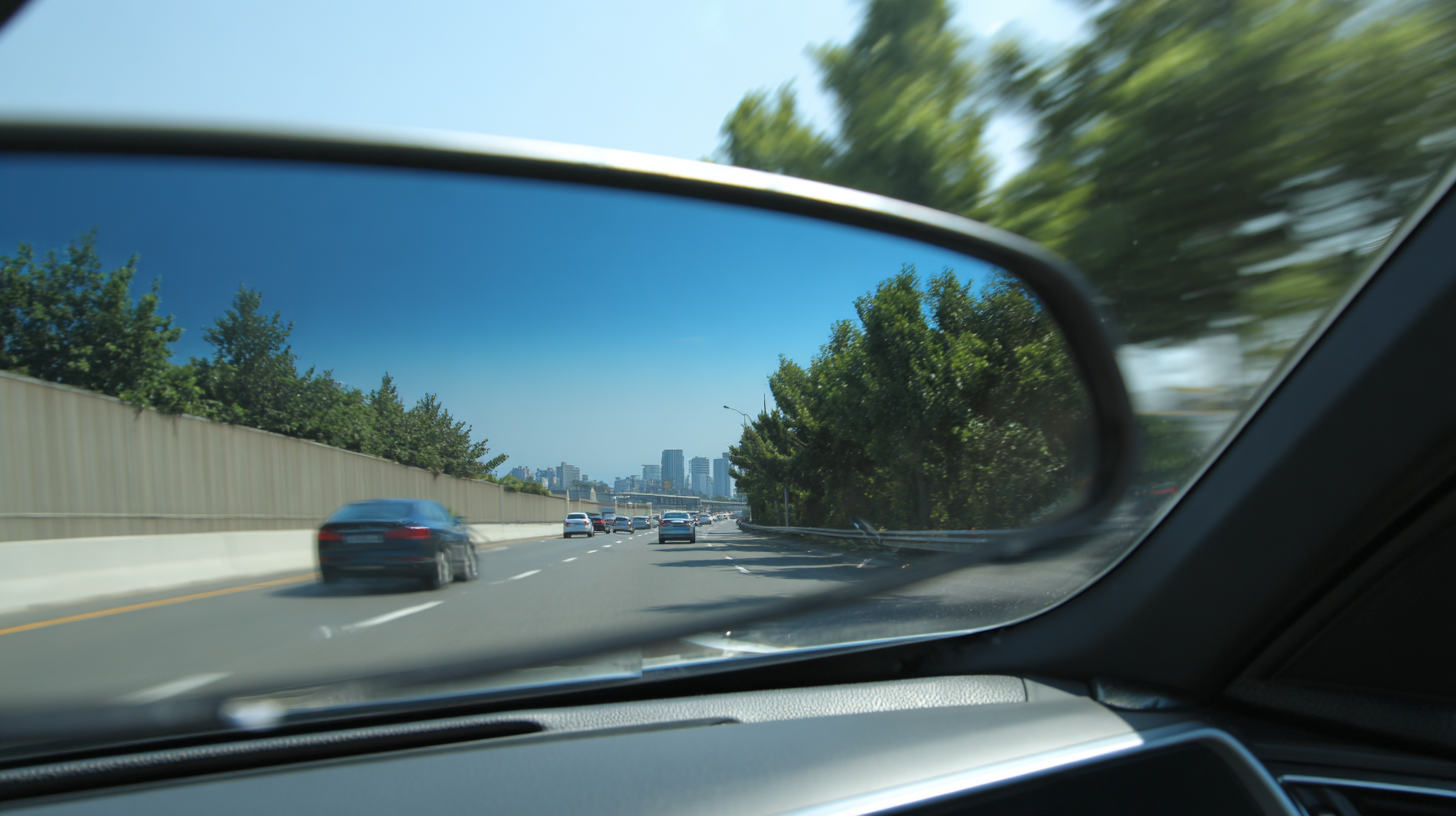
As we explore the timeline of these changes, we will gain insight into how modern auto windshields have emerged as a crucial component of vehicle safety and performance, setting new standards for what drivers can expect from their cars.
The evolution of auto windshields has seen a significant shift from single-pane glass to laminated glass, transforming both safety and functionality in vehicles. Initially, single glass panes were the standard, providing minimal protection for occupants and often shattering upon impact, which could lead to serious injuries. These early models lacked modern safety considerations, which underscored the pressing need for innovation in automotive design.
As technology progressed, laminated glass emerged as a critical advancement in windshield design. This type of glass consists of two layers of glass with a polyvinyl butyral (PVB) interlayer, which holds the layers together. The introduction of laminated windshields not only enhanced structural integrity but also offered additional benefits, such as reduced risk of shattering and improved sound insulation. This innovation has fundamentally altered how windshields contribute to the safety of modern vehicles, making them an essential component in protecting passengers and enhancing overall driving experience.
| Feature | Description | Benefit | Year Introduced |
|---|---|---|---|
| Single Pane Glass | Traditional windshield made of a single layer of glass. | Basic protection from wind and debris. | 1920s |
| Laminated Glass | Two glass sheets with an interlayer for safety. | Reduces shattering and enhances passenger safety. | 1930s |
| UV Protection | Windshields treated to block ultraviolet rays. | Protects occupants from UV damage and keeps the interior cooler. | 1980s |
| Acoustic Glass | Glass designed to minimize outside noise. | Enhanced comfort by reducing road noise. | 2000s |
| Heated Windshield | Windshield with embedded heating elements. | Prevents ice and fog build-up for improved visibility. | 2000s |
| Heads-Up Display (HUD) | Projects information onto the windshield. | Increases driver awareness and reduces distraction. | 2010s |

The automotive industry has seen significant advancements in safety technologies, particularly in the realm of windshields. One of the most notable innovations is the development of advanced laminated glass, which has dramatically improved crash survival rates. This technology involves multiple layers of glass combined with interlayers that increase impact resistance. As a result, modern windshields not only provide better visibility but also play a crucial role in protecting passengers during collisions.
As reported, the automotive glass market is poised for substantial growth, projected to reach $49.94 billion by 2035, driven by such innovations in safety and energy efficiency. With companies celebrating milestones in producing safety laminated glass and expanding their reach globally, the trend indicates a strong commitment to enhancing vehicle safety.
Tips: When choosing a vehicle, consider models that incorporate advanced laminated glass in their windshields for added protection. Regular maintenance of your windshield can also ensure maximum safety benefits, so keep an eye out for any chips or cracks that could compromise structural integrity. Lastly, stay informed about new technologies in automotive glass, as they continue to evolve and may offer additional safety features in the future.
The integration of sensors and advanced technologies into auto windshields is revolutionizing modern driving by enhancing safety and providing a seamless driving experience. According to a report by MarketsandMarkets, the automotive sensors market is projected to reach $62.93 billion by 2025, driven largely by innovations in vehicle safety systems. These sensors play crucial roles in advanced driver-assistance systems (ADAS), including adaptive cruise control, lane departure warnings, and collision avoidance, all of which rely on accurate environmental data that windshields now provide.
Modern windshields are increasingly being designed as multifunctional components, embedding features such as heads-up displays (HUDs) and smart glazing technologies. Research indicates that the heads-up display market is expected to grow from $1.62 billion in 2020 to $3.37 billion by 2025, emphasizing how drivers are benefiting from enhanced visibility while minimizing distractions. Furthermore, technologies like rain sensors and thermal imaging systems enhance the driver's ability to respond to changing conditions, significantly improving safety margins. The evolution of windshields represents a significant leap forward in integrating automotive technology, as every innovation contributes to safer, more efficient transportation.
The evolution of auto windshields has been significantly influenced by regulatory standards and testing protocols designed to enhance safety features in modern vehicles. Various safety regulations dictate the materials and designs that manufacturers must adhere to, ultimately shaping innovations in windshield technology. For instance, strict impact resistance standards ensure that windshields can withstand high forces during accidents, minimizing the risk of shattering and protecting passengers from injury. Additionally, the implementation of anti-glare and UV-blocking coatings has become imperative, driven by regulations that prioritize driver visibility and occupant protection.
Tips: When selecting a vehicle, pay attention to the windshield features that comply with the latest safety regulations. Ensure the car has laminated glass that provides better impact resistance and noise reduction. Also, inquire about any advanced technologies like heads-up displays, which not only enhance functionality but also improve safety by reducing distractions while driving.
Testing plays a crucial role in verifying compliance with safety standards. Manufacturers are required to conduct rigorous crash tests and evaluations to assess the windshields’ performance under various conditions. This has spurred innovation, leading to the development of smart windshields that integrate sensors for collision detection and lane departure warnings. Such advancements demonstrate how regulatory pressures can foster a culture of safety and technological advancement in vehicle design.
Tips: Always check for crash test ratings and reviews focusing on windshield performance when shopping for a new vehicle. This can help ensure you choose a model that adheres to the highest safety standards.
As the automotive industry evolves, the integration of smart materials and augmented reality (AR) into windshields is paving the way for safer and more intuitive driving experiences. A report estimates that the Head-Up Display (HUD) market will grow significantly, increasing from $21,581.36 million to approximately $36,028.51 million by 2032, with a compound annual growth rate (CAGR) of 7%. This boom underscores the demand for advanced display technologies that enhance driver awareness and safety, allowing drivers to keep their eyes on the road while accessing crucial information.
The application of AR in automotive HUD systems is transforming navigation and safety features. Imagine navigating an unfamiliar highway with real-time turn notifications projected directly onto the windshield. This innovation minimizes distractions and enhances reaction time, ultimately contributing to safer driving. Moreover, the deployment of smart materials in windshields screens is expected to provide further functional benefits, such as improved visibility and resilience against impact.
**Tips**: When considering vehicles with advanced HUD technologies, look for features like customizable displays and compatibility with AR navigation. These elements can significantly enhance your driving experience and contribute to overall road safety. Additionally, staying informed about future trends in windshield technology will help you choose the right vehicle that meets your needs for safety and efficiency.
© 2025 Grandmark International. All rights reserved.

© 2020 Grandmark. Grandmark International. All rights reserved. Proud shareholder of Temot International.