@alexaseleno

The Fannicoo Led Corn Bulb is designed to replace traditional high-wattage lamps with efficient LED lighting. Its corn-shaped body holds multiple LED chips around the surface. This arrangement spreads light across a wider area than many standard bulbs.
But how does it work? Electricity enters through the bulb’s base and reaches an internal driver. The driver converts household current into a controlled supply for the LEDs. Each chip then produces light through semiconductor activity, while the outer housing helps release heat.
It stays cooler than an incandescent bulb.
In practical use, the Fannicoo Led Corn Bulb may suit garages, workshops, barns, warehouses, and outdoor fixtures. Its performance depends on the socket, fixture design, voltage, color temperature, and surrounding airflow. A bulb with a larger LED body may not fit an enclosed fixture. That detail is easy to overlook.
Users should check the product label before installation. Confirm the base type, wattage, voltage range, brightness, and dimming compatibility. Manufacturer specifications remain more reliable than assumptions based on appearance. Photographs can also be misleading.
I have found that LED corn bulbs often feel brighter in open fixtures. However, brightness alone does not prove better performance. Beam spread, heat control, and light color affect the real experience.
Some questions remain important. Is the fixture rated for LED use? Can heat escape safely? Does the bulb provide the desired illumination pattern?
A careful evaluation should examine these points. This guide explains the Fannicoo Led Corn Bulb, its operating principle, practical advantages, limitations, and selection considerations. Expect useful details, but verify current specifications before making a purchase.
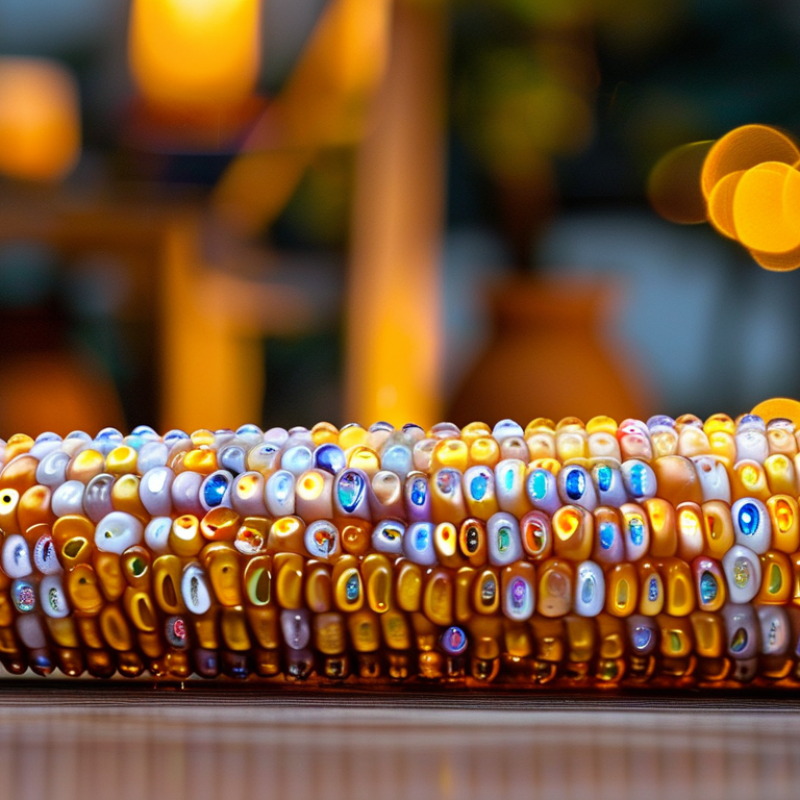
An LED corn bulb is a retrofit lamp shaped like an ear of corn. Its body carries many small LED chips around a central frame. This design spreads light across a wide angle, unlike a narrow spotlight. It commonly replaces older incandescent, compact fluorescent, or high-pressure lamps in compatible sockets. The bulb usually includes an internal driver, which changes household AC power into controlled current for the LEDs. Light turns on almost instantly. There is no filament to heat slowly.
The product overview should include wattage, lumen output, color temperature, base type, and operating voltage. A 20-watt model may replace a much higher-wattage traditional lamp, but actual brightness depends on the fixture and reflector. Check the socket carefully before installation. Some models work in enclosed fixtures, while others need open airflow for cooling. The aluminum body may feel warm after use. That is normal, but excessive heat can shorten LED life. I would also inspect the datasheet for beam angle, dimming support, and safety certifications. Marketing numbers can look impressive. Real performance may differ in a dusty garage or an aging fixture. A quick test in the intended socket is sensible. It may not fit every housing.
| Data Dimension | Typical Information | How It Works or Why It Matters |
|---|---|---|
| Product Definition | An LED corn bulb is a cylindrical replacement lamp covered with multiple LED chips arranged in rows around the bulb. | The shape provides wide, multi-directional illumination and resembles the kernels on a corn cob. |
| Primary Applications | Commonly used in outdoor post lights, street lamps, parking-area fixtures, garages, warehouses, workshops, and commercial retrofits. | It is useful where broad light distribution and higher output are needed from a compact retrofit lamp. |
| Light Source | Light-emitting diodes mounted on a printed circuit board or metal-core board. | When electrical current passes through the semiconductor material, it produces visible light through electroluminescence. |
| Electrical Input | Common versions are designed for standard AC mains, such as 120 V or 220–240 V, depending on the model and region. | An internal driver converts and regulates the incoming electrical power for the LEDs. |
| Typical Power Range | Approximately 20–150 watts for commonly available retrofit models. | Actual power should be selected according to the required brightness, fixture rating, and existing lamp wattage. |
| Typical Luminous Output | Approximately 2,000–20,000 lumens, depending on power, LED efficiency, optics, and thermal conditions. | Lumens measure the total visible light produced; a higher wattage does not always guarantee proportionally higher brightness. |
| Energy Efficiency | Many modern LED lamps deliver roughly 80–150 lumens per watt, although performance varies by design and operating temperature. | LEDs generally convert more electrical energy into light and less into heat than incandescent or fluorescent technologies. |
| Color Temperature | Common choices include 2700–3000 K warm white, 4000–4500 K neutral white, and 5000–6500 K cool or daylight white. | Lower Kelvin values appear warmer and more yellow; higher values appear cooler and bluer. |
| Color Rendering | Typical general-purpose products have a Color Rendering Index of 80 or higher; specialized products may offer higher CRI. | CRI indicates how naturally colors appear under the lamp compared with a reference light source. |
| Beam Distribution | Many corn bulbs provide approximately 270–360 degrees of light distribution, depending on the housing and lens design. | The exposed side-mounted LEDs help illuminate areas around the bulb rather than concentrating light in one narrow direction. |
| Base Compatibility | Common bases include E26/E27 medium screw bases and E39/E40 mogul bases. | The base must match the fixture socket. Electrical compatibility should be checked before installation. |
| Heat Management | Most higher-output models use aluminum heat sinks, fins, or other conductive housings. | Heat sinks transfer heat away from the LED chips, helping maintain light output and extend component life. |
| Rated Life | Many LED corn bulbs are rated for approximately 25,000–50,000 operating hours under specified conditions. | Rated life is generally based on lumen maintenance or component standards and is not the same as a guaranteed failure-free period. |
| Dimming Capability | Dimming is model-dependent; some products are dimmable while others require non-dimming operation. | A compatible dimmer and driver are required to prevent flicker, reduced range, or premature failure. |
| Enclosed-Fixture Use | Some models are approved for enclosed fixtures, while others require open-air ventilation. | Heat trapped inside an enclosed fixture can shorten LED and driver life. The product specification must be checked before use. |
| Environmental Considerations | Outdoor-rated models may include an ingress-protection rating, such as IP65, but ratings vary by product. | Water, dust, humidity, and temperature exposure should remain within the lamp’s stated operating limits. |
| Start-Up Behavior | LED lamps typically reach full brightness almost immediately and do not require a warm-up period. | This makes them suitable for areas where lights are switched on and off frequently. |
| Environmental Profile | LED bulbs generally use less energy and contain no mercury, unlike fluorescent and compact fluorescent lamps. | Lower electricity consumption can reduce operating emissions, while proper recycling is still recommended at end of life. |
| Installation Check | Confirm the socket size, voltage, wattage, physical clearance, fixture enclosure, ambient temperature, and dimming requirements. | These checks help prevent overheating, electrical incompatibility, insufficient clearance, and unsafe operation. |



Proud shareholder of Temot International

© 2025 Grandmark International. All rights reserved.