grandmark logoGrandmark International
@alexaseleno
Skip to main content

How to Choose the Right Car Engine?

Choosing the right car engine is more than comparing horsepower figures on a showroom window. The best choice depends on how, where, and how often you drive. A commuter covering short city trips may value a quiet hybrid or efficient petrol engine. A driver towing a trailer needs strong low-end torque and dependable cooling. These requirements are very different.

Start with your real driving routine. Note your weekly mileage, traffic conditions, road slopes, and typical passenger load. Then compare fuel economy, maintenance costs, warranty coverage, emissions rules, and expected engine life. A smaller turbocharged engine can feel lively, but its extra systems may require careful servicing. A larger naturally aspirated engine may respond smoothly, though it can consume more fuel. Neither option is automatically better.

Check the owner’s manual and independent reliability data. Speak with a qualified technician who understands the specific engine family. During a test drive, listen for unusual rattles, delayed acceleration, or uneven idling. Inspect service records, especially oil changes and cooling-system repairs, when buying used. Small details matter.

There is no perfect engine.

A common mistake is choosing peak power while ignoring daily comfort and long-term cost. I have seen drivers regret buying an engine that looked impressive on paper but felt unsuitable in traffic. Honest comparison matters more than advertising. Your final decision should balance performance, practicality, reliability, and personal priorities, with room for careful reconsideration.
How to Choose the Right Car Engine?

Define Your Driving Needs and Vehicle Requirements

Choosing the right car engine starts with your daily driving needs, not engine size alone. Track a normal week before reviewing specifications. Do you crawl through city traffic, carry tools, or travel on steep roads? A small engine may feel efficient on flat streets, yet struggle when fully loaded. If you regularly tow, climb hills, or drive long distances, strong low-speed torque may matter more than impressive power figures. My own test drives taught me this: a quiet commute can hide weaknesses that appear after several hours.

Tips: Write down your passengers, cargo weight, average trip length, and road conditions. Compare cold-start behavior, cabin noise, and fuel use during realistic drives. Ask for verified efficiency data, but treat it as a reference rather than a promise. Weather, tire pressure, traffic, and driving habits can change results. A test drive with luggage is useful, although many buyers skip it. That mistake is easy to repeat.

Your vehicle requirements should match your ownership plans, too. Check service access, warranty terms, inspection records, and expected maintenance costs. Petrol, diesel, or hybrid? The choice depends on local rules, driving distance, and fuel availability. An engine suited to weekend travel may waste fuel during short daily trips. Conversely, choosing only for economy can limit flexibility for family growth or heavier cargo. Keep a simple record after purchase. Real fuel use and repair patterns reveal whether your decision truly fits.

Compare Engine Types, Sizes, and Fuel Options

How to Choose the Right Car Engine?

Compare Engine Types, Sizes, and Fuel Options

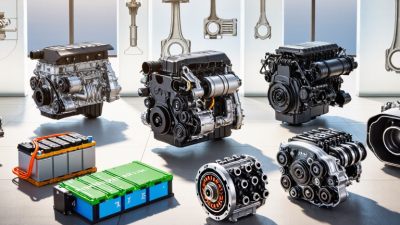
Choosing an engine starts with your daily driving, not the biggest number on a specification sheet. A small petrol engine may suit short city trips, light traffic, and simple maintenance. A diesel engine can deliver strong pulling power and lower fuel use on long motorway journeys. However, frequent short trips may increase maintenance demands. Think carefully.

Hybrid systems combine an internal combustion engine with electric assistance. They often work well in stop-and-go traffic, where regenerative braking can recover energy. Fully electric engines offer quiet operation and quick response, but charging access and cold-weather range deserve attention. Your daily route matters more than advertising claims. Measure twice.

Engine size affects performance, fuel consumption, insurance costs, and sometimes repair prices. A larger engine may feel relaxed when carrying passengers or climbing steep roads. A smaller turbocharged engine can produce similar power, yet its long-term durability depends on maintenance quality. That part is easy to overlook. Check the service schedule and warranty terms. Compare independent fuel-economy tests, not only official figures. Ask a qualified mechanic to inspect the vehicle’s condition, especially after a test drive. Notice vibration, delayed acceleration, unusual smells, or uneven idling. I would also calculate annual fuel or charging costs using your real mileage, because convenient estimates often disappoint.

Evaluate Power, Efficiency, and Performance

How to Choose the Right Car Engine?

Evaluate power, efficiency, and performance together instead of chasing the largest output figure. A powerful engine can feel exciting, but extra power may increase fuel use and operating costs. Consider your routine. City traffic rewards smooth low-speed response, while frequent highway driving benefits from strong passing performance.

Check the power and torque figures, but study how they arrive. Torque available at lower engine speeds usually makes starting, climbing, and carrying passengers easier. During a test drive, notice throttle response, shifting behavior, and engine noise. Listen carefully. A calm engine at 2,000 rpm may suit daily driving better than a louder engine with higher peak power.

Efficiency depends on more than laboratory ratings. Vehicle weight, traffic, tire pressure, weather, and driving habits all affect real consumption. Ask for verified test information, then compare it with owner reports from similar conditions. Numbers can mislead. I once chose an engine for its impressive output and underestimated fuel costs during short urban trips. That decision worked poorly for my actual needs. Reliability also deserves attention, including service intervals, cooling design, and the availability of qualified maintenance. A smaller engine is not automatically economical if it works hard under constant loads. Conversely, a larger engine may perform efficiently when used for towing or long-distance travel. Evaluate the complete match between engine behavior, workload, and your everyday priorities.

Check Reliability, Maintenance, and Ownership Costs

Choosing an engine starts with more than horsepower. Reliability should be judged through service records, repair data, and real driving conditions. A cold start reveals useful clues: uneven idle, rattling, or blue smoke deserve attention. So does a warning light. I once ignored a small oil seep because the car drove smoothly. Six months later, the repair bill was far larger. That mistake changed how I inspect used vehicles.

Maintenance costs depend on design, access, and local labor rates. Ask how often the engine needs oil, belts, filters, coolant, and spark plugs. Check routine parts prices before buying. A qualified technician can uncover neglected fluids, worn mounts, or overheating marks. Request written estimates, not vague promises. Some engines are inexpensive to service but consume more fuel. Others save fuel yet require costly specialist work. Neither choice is automatically better.

Calculate ownership costs over five years. Include fuel, scheduled maintenance, insurance, and likely repairs. Compare your annual mileage, not brochure claims. Keep a repair reserve. Even reliable engines can fail unexpectedly. Manufacturer service schedules are useful, but they cannot replace condition checks. Ask an independent technician to explain likely failure points in plain language. I still prefer simple calculations over optimistic assumptions. Set that reserve before the first test drive.

Match the Engine to Your Budget and Long-Term Plans

Choosing an engine is a budget decision that continues long after purchase. Compare the full cost, not just the sticker price: fuel, servicing, insurance, and expected resale value. The U.S. EPA’s 2023 Automotive Trends Report puts average new-vehicle fuel economy at 27.1 miles per gallon. That figure describes the overall fleet, not a promise for any particular engine. Still, it shows why checking official fuel-economy estimates against your typical commute matters. A small difference adds up over years of daily driving.

Think about how long you plan to keep the car. For mostly short urban trips, a modest engine may be sufficient and less expensive to run. Regular towing, steep routes, or heavy loads may justify paying more for extra power. AAA’s 2024 Your Driving Costs report estimates average ownership costs for a new vehicle at $12,297 per year, based on 15,000 miles of driving. That includes many costs beyond the engine, so treat it as context, not your personal forecast. A spreadsheet can still miss real life: fuel prices change, and your plans may too.

Tips: Estimate your yearly mileage, then compare fuel costs using the EPA rating and local fuel prices. Check scheduled maintenance costs and warranty terms. Leave room for uncertainty. A cheaper engine is not automatically the cheaper choice if it struggles with your routine.