grandmark logoGrandmark International
@alexaseleno
Skip to main content

How to Maintain Your Automatic Transmission for Optimal Performance?

Maintaining your automatic transmission is crucial for ensuring peak performance. An automatic transmission plays a vital role in how smoothly your vehicle operates. Regular care can prevent costly repairs and unexpected breakdowns.

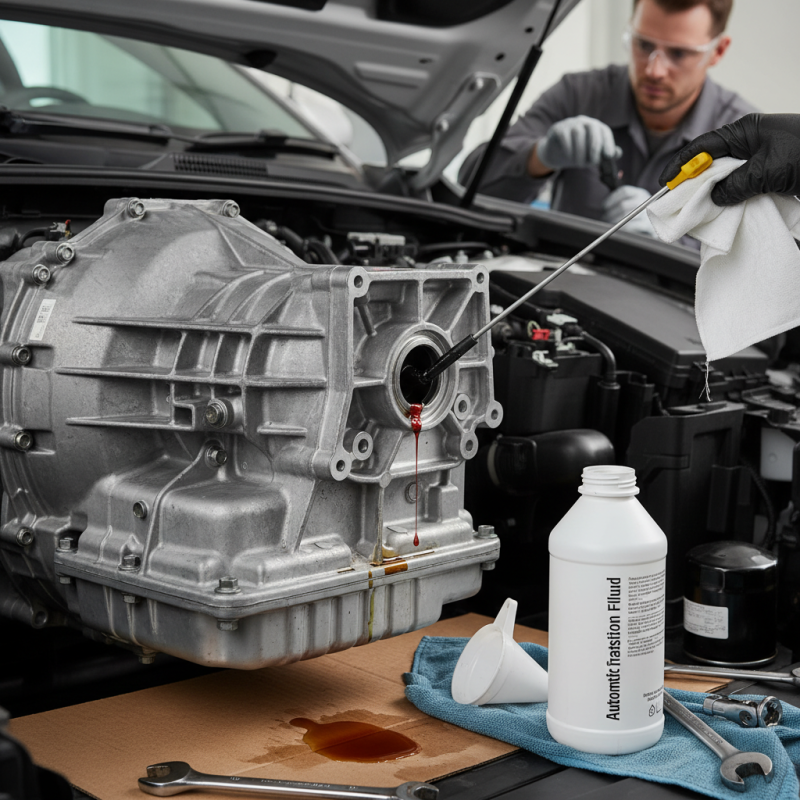
Many drivers overlook their transmission maintenance. This neglect can lead to overheating and fluid leaks, both detrimental to performance. Checking the fluid level is an essential step. Clean transmission fluid helps the components work effectively. Remember, not all fluid is the same; using the incorrect type can cause damage.

Consider regular inspections by a professional. They can spot potential issues early. If you notice slipping gears or unusual noises, it’s time to take action. Maintaining your automatic transmission is not just about repairs; it’s about keeping your vehicle reliable and safe. Addressing small problems early can save you from larger issues later on. Adapt your maintenance habits to ensure longevity and efficiency for your automatic transmission.
How to Maintain Your Automatic Transmission for Optimal Performance?

Understanding the Basics of Automatic Transmission Operation

How to Maintain Your Automatic Transmission for Optimal Performance?

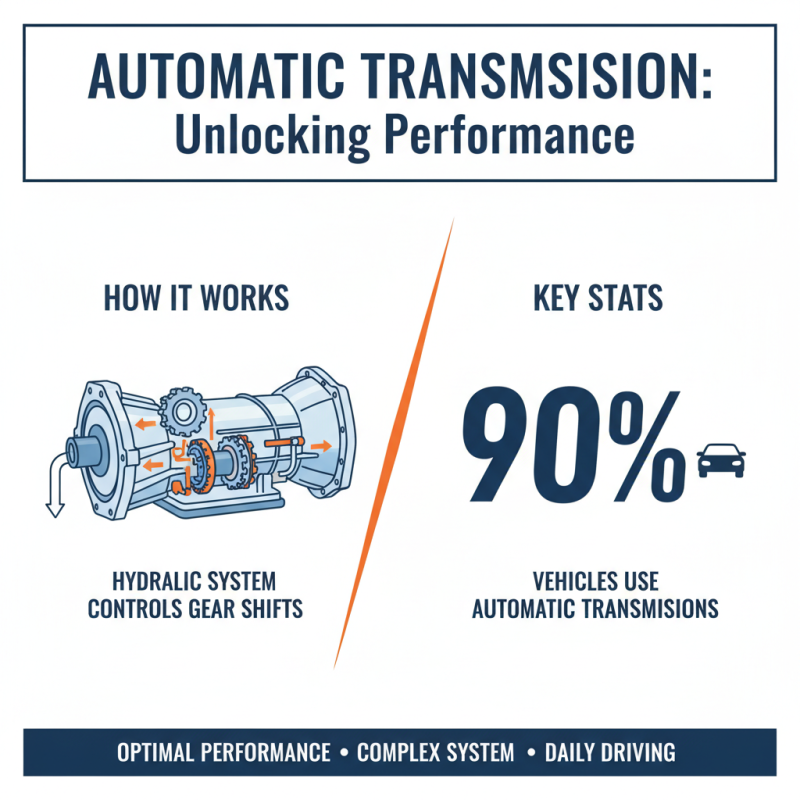
Automatic transmissions are complex systems that require understanding to maintain their optimal performance. Unlike manual transmissions, automatic ones rely on hydraulic systems to shift gears. According to industry reports, approximately 90% of vehicles on the road today use automatic transmissions. This highlights their importance in everyday driving.

Regular maintenance is crucial for the effective operation of an automatic transmission. Dirty fluid can lead to poor performance. The fluid serves not only as a lubricant but also as a hydraulic fluid. Changing the transmission fluid every 30,000 to 60,000 miles is often recommended. However, many drivers overlook this essential task. They may fail to recognize the signs of a failing transmission, such as slipping or unusual noises.

Additionally, transmission filters can become clogged over time. This can restrict fluid flow and lead to overheating. Some studies suggest that a staggering 70% of transmission failures are related to overheating issues. Drivers should check the fluid levels and look for leaks regularly. It’s easy to forget, but neglecting these details can lead to costly repairs down the line. Understanding the basics of how transmissions operate helps in appreciating their maintenance needs.
Importance of Regular Fluid Changes for Transmission Longevity

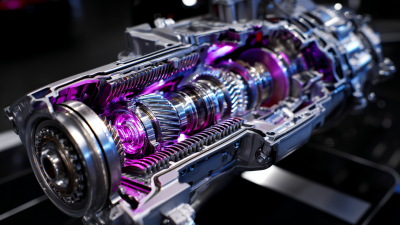
Automatic transmissions rely heavily on fluid quality for performance. Regular fluid changes are vital to ensure longevity. According to industry reports, up to 90% of transmission failures can be traced back to fluid issues. Dirty fluid leads to slippage and wear. This is not just a minor concern; it can result in costly repairs.

Changing the transmission fluid every 30,000 to 60,000 miles is often recommended. However, many overlook this routine maintenance. Studies show that only 30% of vehicle owners adhere to this schedule. Neglecting it can lead to severe consequences. Transmission fluid degrades over time. It loses its lubricating properties and becomes contaminated.

Signs of bad fluid include abnormal smells or dark coloration. If ignored, these symptoms can escalate into significant damage. A little maintenance goes a long way. Regular checks and timely fluid changes can enhance your vehicle's lifespan. Keeping an eye on fluid condition helps you avoid problems down the road.

Signs of Transmission Problems: Early Detection Techniques

Automatic transmissions are intricate systems that require attention for optimal performance. Common signs of transmission problems often begin with strange noises. A grinding or whining sound can indicate low fluid levels or internal wear. In addition, slipping gears may signal that the transmission is failing to engage properly. These issues can escalate quickly if ignored.

Another sign to look for is delayed or rough shifting. If you experience a lag when changing gears, it could point to a serious issue. It’s crucial to monitor the transmission fluid color as well. Healthy fluid should be bright red. A dark, burnt smell indicates problems. Occasionally, individuals overlook small leaks. A puddle under the vehicle can be a warning sign that maintenance is needed.

Regular checks can help catch these problems early. Listening to your vehicle and observing its behavior are key. Ignoring these signs can lead to costly repairs down the line. It's important to be proactive instead of reactive. Don’t wait for a complete breakdown to realize the need for proper care.

Transmission Fluid Temperature Analysis

Utilizing Professional Maintenance Services for Optimal Performance

Automatic transmissions require regular maintenance to perform optimally. Utilizing professional services is crucial for various reasons. Experts have tools and skills to handle complex issues that car owners may overlook. They can perform thorough inspections, identify potential problems, and offer comprehensive solutions.

According to industry reports, about 40% of transmission failures are a result of neglecting regular maintenance. This statistic highlights the importance of utilizing professional services. Technicians can check fluid levels, inspect filters, and flush the transmission system. Regular check-ups can enhance the lifespan of your vehicle's transmission system significantly.

**Tips:** Check your transmission fluid regularly. If it appears dark or smells burnt, it needs replacement. Always consult a professional for fluid changes. Don't ignore warning signs like slipping gears or unusual noises. These may indicate bigger problems that require immediate attention. Being proactive can save you from costly repairs later.

How to Maintain Your Automatic Transmission for Optimal Performance

Maintenance Aspect Frequency Professional Service Recommendation
Fluid Change Every 30,000 - 60,000 miles Annual professional inspection
Filter Replacement Every 30,000 - 50,000 miles Every fluid change
Transmission Flush Every 60,000 miles Professional service advised
Check for Leaks Monthly Immediate professional assessment
Diagnostics for Warning Signs As needed Professional diagnosis recommended

Tips for Safe Driving Habits to Extend Transmission Life

How to Maintain Your Automatic Transmission for Optimal Performance?

Maintaining an automatic transmission requires more than just technical care. Safe driving habits play a vital role in extending its life. Avoid sudden starts and hard stops. Smooth driving keeps the transmission working efficiently. Be mindful of your speed; excessive acceleration can strain the system.

Routine checks are essential. Watch for strange noises or slipping gears. Ignoring these signs can lead to costly repairs. Cooling the transmission is also critical. If you frequently drive in heavy traffic, consider letting your vehicle idle for a few minutes. This small act can make a big difference.

Regular fluid changes are often overlooked. Old fluid can cause overheating and poor performance. Aim for regular intervals, but don't forget to check the dipstick now and then. Keep an eye on the color: it should stay a clear red. Neglecting this may result in transmission failure, a situation no driver wants.