Revolutionizing Road Safety: The Future of Automotive Lighting Technology Explained
In recent years, advancements in automotive lighting technology have emerged as a crucial factor in enhancing road safety, with studies indicating that improved visibility can reduce accidents by up to 30%. As the global automotive industry shifts towards more innovative solutions, automotive lighting is evolving from traditional halogen bulbs to sophisticated LED and laser technologies, which offer greater brightness, energy efficiency, and longevity.
According to the Global Automotive Lighting Market report by Research and Markets, the automotive lighting market is projected to reach $39.11 billion by 2026, growing at a CAGR of 6.16%. This rapid growth underscores the critical role that cutting-edge lighting technologies play in not only illuminating the road but also contributing to the overall safety of drivers and pedestrians.
As we explore the future of automotive lighting, it becomes essential to understand how these innovations can transform road safety and pave the way for smarter, safer transportation systems.
Understanding the Importance of Advanced Automotive Lighting in Road Safety
 Advanced automotive lighting technology plays a crucial role in enhancing road safety, serving as the first line of defense in preventing accidents. With the global automotive intelligent lighting system market projected to surge from USD 7.45 billion in 2024 to USD 12.27 billion by 2030, it is clear that the industry is prioritizing innovations that support safer driving environments. Key advancements include adaptive headlights that adjust to road conditions and the incorporation of AI-driven systems to optimize visibility, which collectively aim to reduce the staggering annual statistics of over 1.19 million road traffic fatalities.
Tips for safety-conscious drivers: Always check your headlights and taillights to ensure they are functioning correctly. Consider upgrading to advanced lighting options that not only improve visibility but also adapt to changes in driving conditions. Moreover, stay informed about the latest automotive lighting technologies and evaluate their potential benefits for your vehicle.
As smart technology continues to evolve, integrating features such as automatic high beams and enhanced signal indicators into vehicles becomes imperative for curbing road traffic injuries. Understanding these improvements can empower drivers to make informed decisions about the safety features they prioritize in their vehicles.
Exploring the Latest Innovations in Automotive Lighting Technology
The automotive lighting technology industry is on the verge of major transformations driven by the increasing demand for electric vehicles (EVs) and advanced safety features. By 2023, the automotive lighting market is projected to surpass $35.6 billion, with a compound annual growth rate (CAGR) of 7% anticipated from 2024 to 2032. This growth is fueled by innovations such as adaptive headlights and LED technology, which adapt to road conditions and enhance visibility, thus revolutionizing road safety.
Tips: Consider upgrading your vehicle's lighting system to LED for better illumination and energy efficiency. Additionally, exploring options for smart lighting systems can significantly improve nighttime driving safety.
Furthermore, the global automotive ventilation membrane market is forecasted to grow from a valuation of $199.7 million in 2025 to a remarkable $258.9 million by 2033, indicating a robust CAGR of 3.3%. This correlates with the broader trend of integrating advanced technologies within vehicles, enhancing occupant comfort and safety. With the ongoing developments in automotive lighting and ventilation, the industry is set to witness a paradigm shift in how we perceive vehicle safety and performance.
Tips: Always ensure your vehicle complies with the latest safety regulations, especially with new lighting technologies designed to minimize accidents. Regular maintenance of lighting systems plays a crucial role in ensuring their optimal performance.
Revolutionizing Road Safety: Innovations in Automotive Lighting Technology
This chart illustrates the market adoption rates of various automotive lighting technologies. LED headlights lead the market, reflecting a shift towards energy-efficient lighting solutions. Adaptive lighting and laser lighting are emerging technologies that enhance road safety and visibility, while matrix LEDs and OLEDs are still gaining traction in the automotive industry.
How Adaptive Lighting Systems Enhance Driver Visibility and Safety
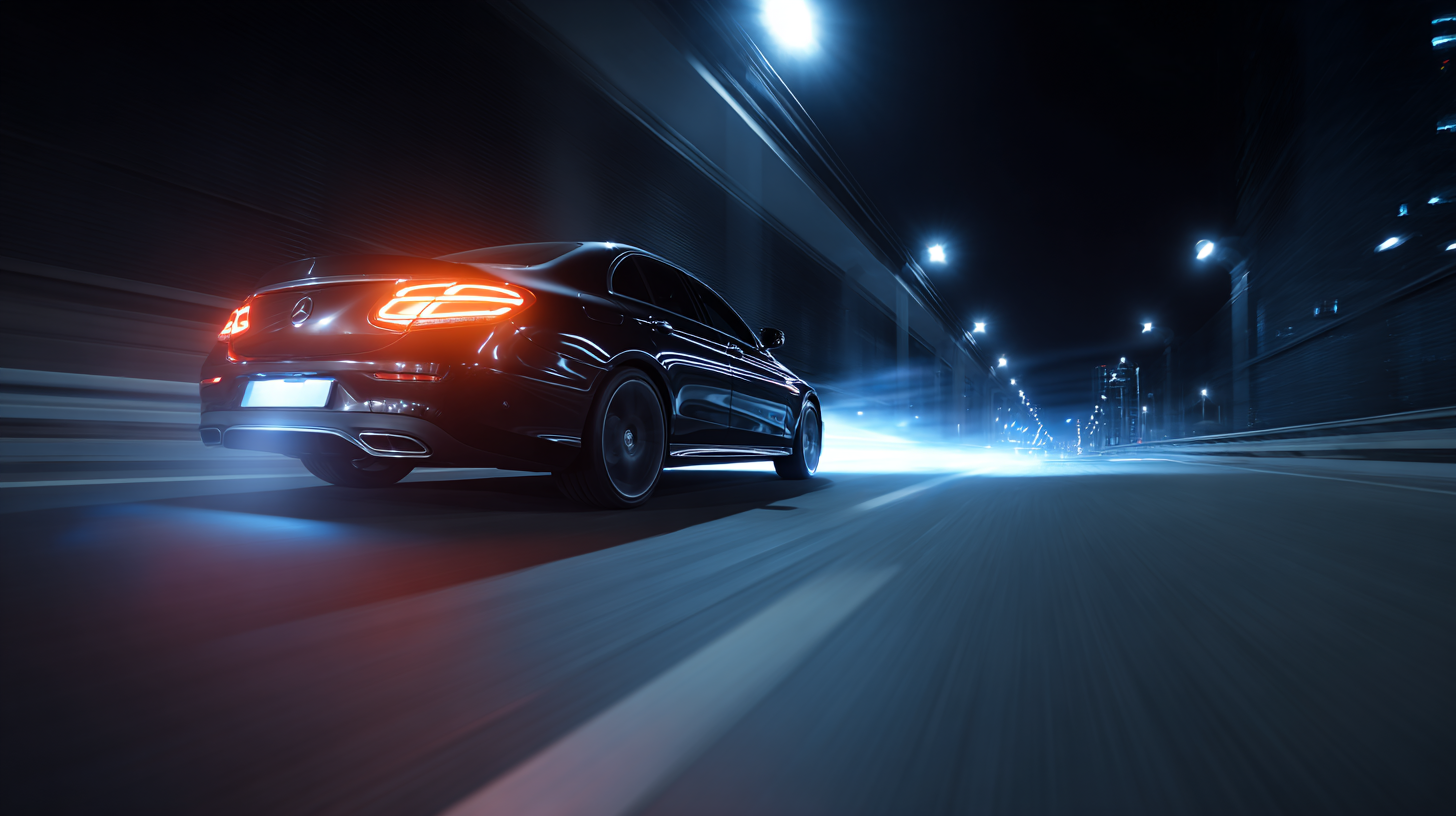 Adaptive lighting systems are at the forefront of revolutionizing road safety by significantly enhancing driver visibility. These advanced technologies adjust the vehicle's headlights in real-time, providing illumination tailored to various driving conditions. As vehicles accelerate, navigate curves, or confront obstacles, adaptive systems ensure that the road ahead is optimally lit, reducing the likelihood of accidents and improving overall driving confidence.
In North America, the market for automotive adaptive lighting systems is poised for growth amidst evolving consumer expectations and regulatory requirements. By 2025, we can expect to see a surge in the adoption of these systems as manufacturers innovate to meet safety standards and integrate them into a broader suite of smart vehicle technologies. However, challenges such as high initial costs and the need for standardization across vehicle models may hinder rapid deployment. Yet, as the demand for enhanced safety features continues to rise, adaptive lighting systems will play a crucial role in shaping the future of automotive lighting technology.
The Role of Smart Lighting in Reducing Accidents and Improving Traffic Flow
In recent years, the integration of smart lighting technologies in automotive systems has been a game-changer for road safety. According to a report by the National Highway Traffic Safety Administration (NHTSA), nearly 50% of all traffic fatalities occur after dark, highlighting the crucial role that advanced lighting plays in accident prevention. Smart lighting systems, including adaptive headlights that adjust based on driving conditions, can significantly enhance visibility for drivers, ultimately leading to a reduction in nighttime collisions.
Moreover, smart lighting technologies are proving instrumental in improving overall traffic flow. The utilization of LED lights paired with real-time data analytics allows for dynamic traffic signaling, enabling vehicles to communicate with each other and with infrastructure. A study by the Intelligent Transportation Systems (ITS) Society indicates that cities implementing smart lighting systems saw a 20% decrease in traffic congestion, which indirectly reduces the likelihood of accidents caused by rear-end collisions and sudden stops. As we move towards a more technologically advanced future, the adaptation of smart lighting systems in automotive design stands to revolutionize road safety for all users.
Future Trends: Integrating AI and IoT into Automotive Lighting Solutions
The future of automotive lighting technology is poised for a revolutionary transformation, particularly with the integration of Artificial Intelligence (AI) and the Internet of Things (IoT). By leveraging these advanced technologies, automotive lighting solutions can become more adaptive and intelligent, significantly enhancing road safety. AI systems can analyze real-time data from various sensors to adjust lighting based on driving conditions, ensuring optimal visibility while minimizing glare for other drivers. This dynamic adjustment not only improves safety but also contributes to energy efficiency, making vehicles greener.
Tips for maximizing automotive lighting efficiency include regularly checking and maintaining your vehicle's lighting system. Ensure that bulbs are functioning correctly and that lenses are clean to maximize brightness. Additionally, consider investing in aftermarket upgrades that utilize smart technology, which can enhance visibility and responsiveness in varying conditions.
The incorporation of IoT technology into automotive lighting allows for seamless communication between vehicles and their environment. This connectivity enables features like automatic high beam adjustments and alerts for upcoming obstacles or pedestrians. As this technology evolves, the possibility of vehicles communicating with traffic signals could further streamline safety measures, reducing the risk of accidents significantly. Embracing these advancements not only enhances your driving experience but also aligns with the global push toward safer, smarter transportation systems.
Revolutionizing Road Safety: The Future of Automotive Lighting Technology Explained
| Lighting Technology |
Key Features |
Integration with AI/IoT |
Expected Impact on Safety |
Future Trends |
| Adaptive Headlights |
Automatically adjusts beam pattern based on road conditions |
Utilizes real-time data from surrounding vehicles and environment |
Increases visibility during adverse conditions, reducing accidents |
Enhanced detection technology for night driving |
| Matrix LED Lighting |
Selective illumination without blinding other drivers |
Connected to camera systems for obstacle detection |
Minimizes glare, enhancing road safety |
Integration with advanced driver-assistance systems (ADAS) |
| Smart Taillights |
Innovative designs that enhance visibility in traffic |
Alerts drivers of potential hazards via vehicle-to-vehicle communication |
Improved messaging for braking and lane changes |
Customization options based on driver preference |
| Laser Lighting Systems |
High intensity, long-range illumination |
AI-based prediction of road and traffic conditions |
Significantly expands viewing area at night |
Potential for even smarter road interaction |