
Choosing the right Fish Meal Machine is crucial for your business. It can greatly impact your production efficiency. A reliable machine ensures high-quality fish meal. This investment should reflect your specific needs and operational goals.
Understanding the various types of fish meal machines can be overwhelming. Each model offers unique features and benefits. Factors like capacity, energy efficiency, and ease of maintenance matter. Assessing these will help you make informed decisions.
Some machines may promise high output, but their actual performance can vary. It's important to research suppliers and read reviews. Consider reaching out to experts or industry peers for their insights. The right Fish Meal Machine will not only meet your current demands but also adapt to future needs.
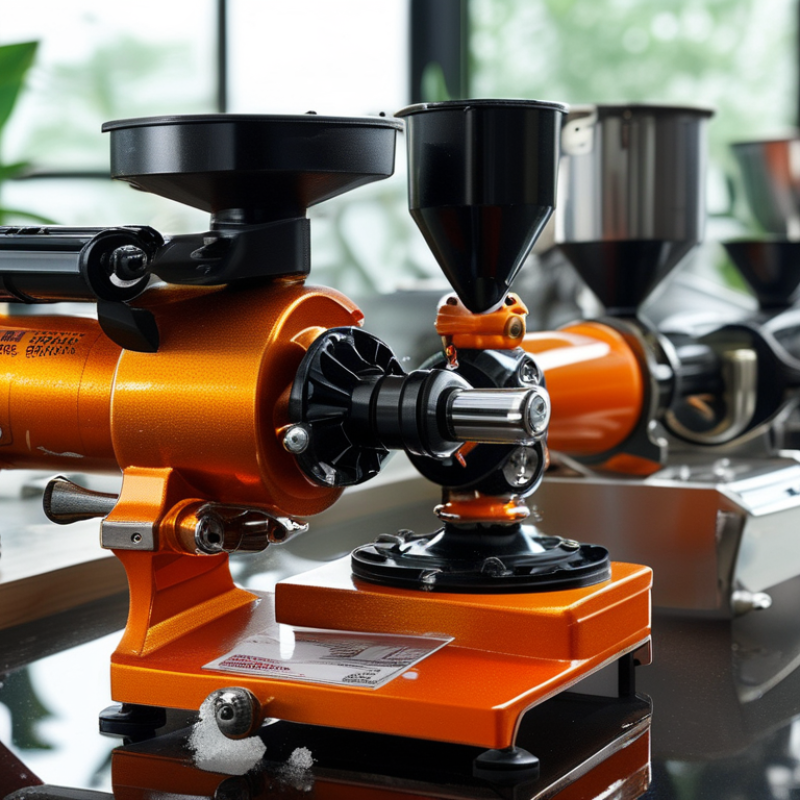
When selecting a fish meal machine, it's vital to understand the various types available. Different machines serve distinct purposes. For instance, the fish meal cooking machine is crucial for ensuring optimal protein extraction. According to industry reports, these models are designed to operate at specific temperatures to maximize yield. This means choosing a machine with precise temperature control features is essential for quality.
Another significant type is the drying machine. A report from the Marine Ingredients Institute indicates that proper drying removes moisture while retaining nutrients. Machines that utilize advanced drying technology can increase the nutritional value of the fish meal. However, investment in such technology can be substantial. Many businesses might hesitate due to high upfront costs. Nonetheless, the long-term benefits often justify the expense.
Additionally, consider the capacity of the machines. Some establishments require higher output to meet demand. However, larger machines may consume more energy and require more maintenance. Balancing capacity with operational efficiency is critical. Reports show that businesses often struggle with this aspect, impacting their profitability. Conducting thorough research and consulting industry experts is advisable.
| Type of Fish Meal Machine | Processing Capacity (kg/h) | Power Consumption (kW) | Material | Typical Applications |
|---|---|---|---|---|
| Batch Fish Meal Machine | 500-1000 | 50 | Stainless Steel | Small scale production |
| Continuous Fish Meal Machine | 2000-5000 | 80 | Carbon Steel | Large scale production |
| Micro-Scale Fish Meal Machine | 50-300 | 15 | Aluminum Alloy | Home usage, small businesses |
| Fish Meal Press Machine | 1000-3000 | 40 | Stainless Steel | Oil extraction, feed production |
| Fish Meal Dryer | 1000-4000 | 60 | Stainless Steel | Drying fish meal |
Choosing the right fish meal machine is crucial for your business. One key factor is the machine's efficiency. An efficient machine can process larger batches in a shorter time. Look for details on processing capacity. This helps in meeting demand without compromising quality.
Another important aspect is the machine's construction. Materials should be durable and resistant to corrosion. Since you'll be working with fish, hygiene is non-negotiable. A machine that’s easy to clean can save time and ensure safety standards. It's also wise to assess the manufacturer's reputation. Trustworthy manufacturers offer reliable support and service.
Moreover, consider the energy consumption of the machine. A machine that uses less energy can lead to long-term savings. Take note of its specifications. Sometimes, low-cost machines have hidden costs. Investing in a reputable machine can prevent future headaches. Balancing these factors may take time, but the outcome is worth it.
When assessing fish meal machines, efficiency and performance are critical. According to industry reports, machines that achieve over 90% extraction rate are widely regarded as top-performing. These rates significantly impact production volume and operational costs. A high-quality machine should also ensure minimal nutrient loss, preserving the value of fish meal for customers.
Tip: Look for features that enhance efficiency. For instance, energy-saving technology can lower operational costs. High-capacity machines reduce production time but require proper management. Be cautious of machines with low extraction rates, as they can lead to wasted resources.
Performance metrics should include heat recovery systems. These can boost efficiency by recapturing energy during the cooking process. Regular maintenance plays a vital role in sustaining machine performance. Businesses often overlook how wear and tear can decrease output quality. An informed approach can prevent costly downtimes and extend machine lifespan.
Tip: Evaluate user reviews and case studies from similar businesses. Real-world experiences provide insights that standard specifications may not reveal. Doing so can guide your decision-making in choosing the right machine.
When evaluating the cost and return on investment (ROI) for a fish meal machine, careful consideration is essential. Analyzing your budget is a crucial first step. Determine how much capital you are willing to invest. This amount should include the initial purchase price, installation costs, and potential maintenance fees.
Consider the efficiency of the machine. A high-output machine might seem appealing but will cost more. Look for models that balance price and productivity. Assess the warranty and after-sales service. A reliable machine will reduce downtime, saving you money in the long run.
Invest in knowledge. Research multiple options before making a decision. Seek advice from industry experts. Examine case studies of businesses that operate similar machines. Some may report unexpected operational costs, such as energy consumption or labor intensity. Keep these factors in mind to refine your choice. Understanding these details can lead to wiser investments and better profitability in your fish meal operation.
When selecting a fish meal machine, maintenance and support should be on your radar. Regular upkeep is vital for optimal performance. A well-maintained machine extends its lifespan. Think about maintenance schedules and part replacements. Choose a supplier who offers reliable service. This can greatly reduce downtime.
Many businesses overlook training. Employees must understand how to operate machines correctly. Regular training sessions can help minimize errors. It also ensures safety standards are met. Don’t forget to ask about support options. A strong support system will aid if issues arise during production.
Consider the availability of spare parts. Machines might need repairs down the line. Ensure parts are easy to obtain. Long delivery times can hamper your operations. Reflect on these aspects carefully. Making an informed decision is crucial for your business's success.
© 2025 Grandmark International. All rights reserved.
© 2020 Grandmark. Grandmark International. All rights reserved. Proud shareholder of Temot International.