Automotive glass plays a critical role in the safety and functionality of vehicles, contributing not only to driver visibility but also to structural integrity. According to the National Highway Traffic Safety Administration (NHTSA), well-maintained automotive glass is essential for preventing accidents and improving overall vehicle safety. Visibility is a key factor in safe driving; statistics indicate that nearly 40% of accidents occur due to poor visibility conditions. Therefore, the maintenance of automotive glass should be a primary concern for vehicle owners.
Moreover, industry reports suggest that chipped or cracked windows can compromise the vehicle's safety features, including airbags and roll-over protection. The Automotive Safety Council highlights that compromised automotive glass can significantly increase the risk of severe injuries during accidents. Regular inspections and timely repairs are crucial for maintaining the structural integrity of automotive glass and ensuring that it performs its intended safety functions. In this context, understanding best practices for maintaining automotive glass is not merely a matter of aesthetics but a vital component of road safety and driver well-being.

Automotive glass is a critical component of vehicle safety and performance, yet its maintenance is often overlooked by drivers. Proper care of windshields and windows not only enhances visibility but also contributes to the overall structural integrity of the vehicle. Regular inspections for chips and cracks should be performed, as even minor damage can compromise the glass's strength and increase the risk of shattering during an accident. Moreover, a clear and unobstructed view is essential for safe driving; neglecting to address small issues can lead to larger problems.
In addition to inspections, maintaining the cleanliness of automotive glass is vital for safety. Dirt, grime, and smudges can create glare and distort the driver’s view, particularly in bright or low-light conditions. Using appropriate cleaning solutions and techniques helps prevent scratches and maintain the glass's clarity. Furthermore, ensuring that windshield wipers and defrosters are in good working order can help to keep the glass clear in various weather conditions, thereby enhancing both safety and comfort while driving. Engaging in regular maintenance not only prolongs the life of automotive glass but also ensures a safer driving experience for everyone on the road.
| Maintenance Tip | Importance | Frequency | Best Practices |
|---|---|---|---|
| Regular Cleaning | Removes dirt and debris that can impair visibility | Weekly | Use glass cleaner and microfiber cloth |
| Inspect for Chips and Cracks | Prevents small issues from becoming major safety hazards | Monthly | Check windshield and side windows thoroughly |
| Replace Worn Wiper Blades | Ensures clear visibility during rain | Every 6-12 months | Look for signs of wear like streaking or skipping |
| Address Seal Deterioration | Prevents water leakage and wind noise | Annually | Inspect seals around windows and sunroofs |
| Professional Inspections | Catches issues that may go unnoticed | Every 1-2 years | Schedule with a trusted mechanic |
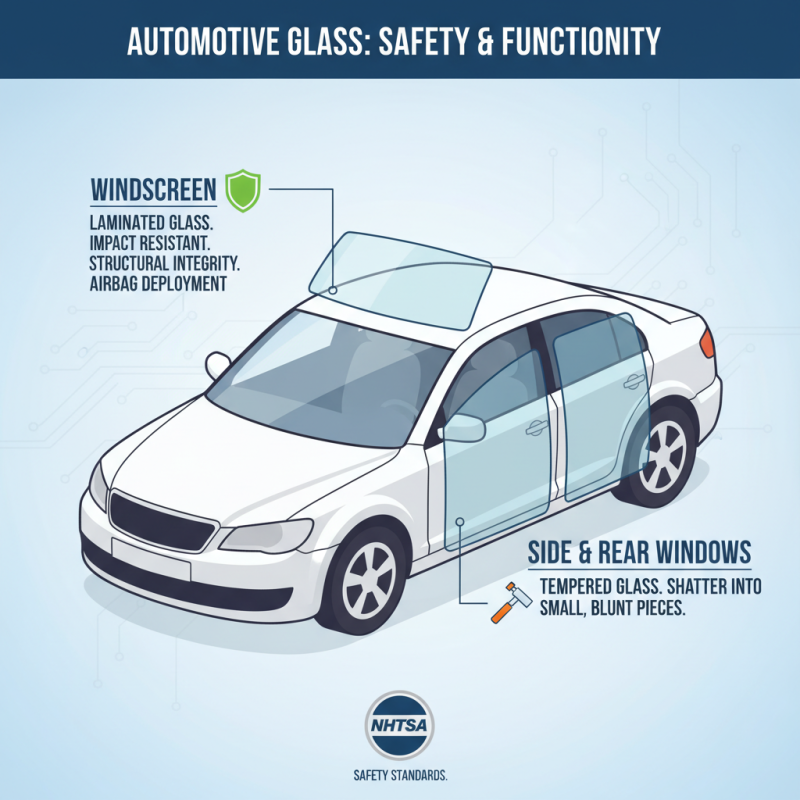
Automotive glass plays a crucial role in vehicle safety and functionality. There are several common types of automotive glass, each serving specific purposes. The windscreen, typically made from laminated glass, is designed to withstand impacts and prevent shattering under stress, thus providing a protective barrier for passengers. According to the National Highway Traffic Safety Administration, a properly installed windscreen contributes significantly to a vehicle's structural integrity during a collision, ensuring that airbags deploy effectively.
Side and rear windows, often made from tempered glass, serve different functions. Tempered glass undergoes a heating and cooling process that enhances its strength and makes it less likely to break easily. However, when it does shatter, it breaks into small, blunt pieces that minimize injury risk. A study by the Automotive Safety Council found that side windows can account for over 30% of vehicle injuries in rollover accidents, highlighting the importance of quality materials and installation.
Additionally, sunroofs and panoramic roofs have gained popularity, providing aesthetic appeal and natural light. These sections often utilize laminated or tempered glass, contributing to passenger comfort and ambiance. Regular maintenance, including checks for chips or cracks, is essential, as even minor damage can compromise structural integrity and safety. As per data from the Glass Association of North America, nearly 70% of drivers reported experiencing issues with automotive glass at some point, underscoring the need for awareness and proactive care in maintaining this vital component of vehicle safety.
Routine inspection and cleaning practices are essential for maintaining automotive glass and ensuring safety on the road. Drivers should make it a habit to regularly check their windshields, windows, and mirrors for any signs of damage, such as cracks, chips, or scratches. Even minor imperfections can impair visibility and increase the risk of accidents. A simple visual inspection can help identify these issues before they worsen, allowing for timely repairs or replacements.
In addition to inspections, maintaining clean automotive glass is crucial for optimal visibility and safety. Drivers should use appropriate cleaning solutions and cloths to avoid streaks and scratches. It is advisable to clean the glass regularly, focusing on the interior and exterior surfaces.
During inclement weather, ensuring clarity is especially important, as dirty or fogged up windows can severely hinder the driver's view. Keeping windshield wipers in good condition and replacing them as needed can also contribute to better visibility and overall safety while driving.
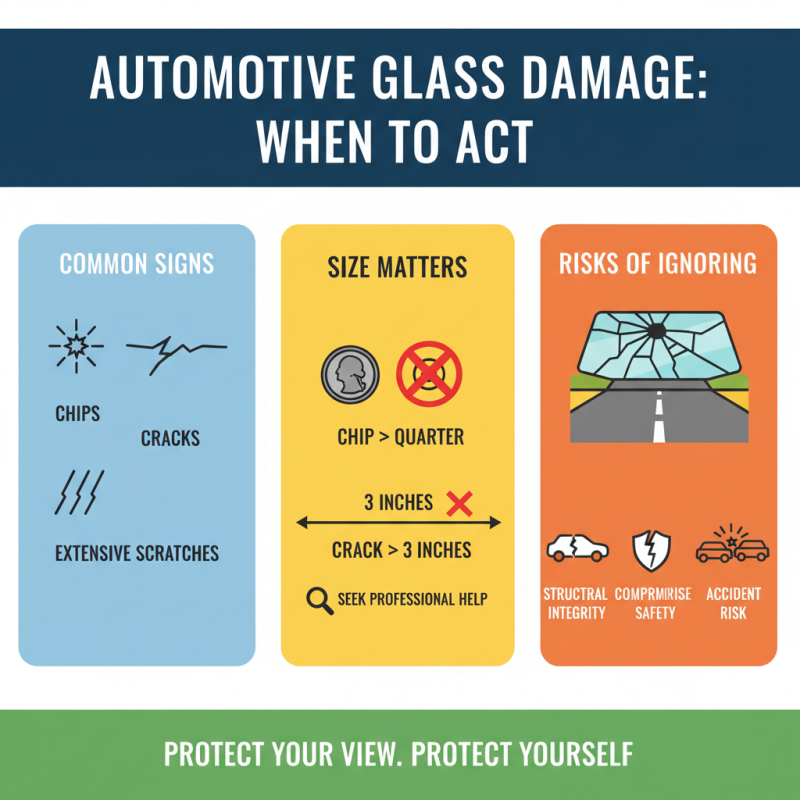
When it comes to automotive glass, recognizing signs of damage early is crucial for both your safety and the integrity of your vehicle. Common signs of damage include chips, cracks, or extensive scratches that obstruct your view. If a chip is larger than a quarter or a crack spans more than three inches, it's time to seek professional help. Ignoring these issues can lead to further deterioration, potentially compromising the structural integrity of your glass and increasing the risk of accidents.
To keep your automotive glass in top condition, consider these essential tips: First, regularly inspect your windshield and windows for any signs of damage, especially after extreme weather. Clean your glass with appropriate products to ensure visibility and avoid abrasive materials that can scratch the surface. Second, park your vehicle in shaded areas or use sunshades to protect your glass from extreme heat and UV damage, which can cause it to weaken over time. Lastly, address any minor chips or scratches promptly; many can be repaired without needing a full windshield replacement, saving you time and money.
Remember, if you experience any significant damage or feel uncertain about the condition of your automotive glass, consulting with a professional is always the safest option. Timely intervention can not only enhance your visibility while driving but also ensure the overall safety of you and your passengers on the road.
When it comes to automotive glass replacement, adherence to safety standards and regulations is paramount. These regulations are designed to ensure that the glass used in vehicles meets specific criteria for strength, durability, and impact resistance. In many regions, automotive glass must comply with national and international standards, which are regularly updated to reflect advancements in technology and safety research. Compliance with these standards not only protects passengers in the event of an accident but also enhances the overall structural integrity of the vehicle.
Furthermore, certified professionals must perform automotive glass replacement to guarantee that installation meets safety requirements. Improper installation can lead to severe consequences, such as increased risk of airbag malfunction or compromised visibility, both of which can endanger occupants. It's crucial for vehicle owners to request documentation of compliance and certification from service providers to ensure that their vehicles remain safe on the road. By prioritizing safety standards in automotive glass replacement, car owners can maintain the integrity of their vehicles while safeguarding their own well-being and that of their passengers.
© 2025 Grandmark International. All rights reserved.
© 2020 Grandmark. Grandmark International. All rights reserved. Proud shareholder of Temot International.