grandmark logoGrandmark International
@alexaseleno
Skip to main content

Top 10 Car Maintenance Tips Every Car Owner Should Know?

A reliable car rarely becomes unreliable overnight. Small warnings usually appear first: a slow-starting engine, a soft brake pedal, or a tire losing pressure beside the driveway. This is why car maintenance deserves more attention than a yearly oil change. It protects safety, preserves performance, and can reduce expensive surprises.

AAA’s 2024 Your Driving Costs report estimates maintenance, repair, and tire expenses at 10.13 cents per mile. At 15,000 miles, that equals roughly $1,520 annually. CarMD’s 2023 Vehicle Health Index also reported an average check-engine repair cost of about $403. These figures are estimates, not guarantees. Vehicle age, climate, driving habits, and repair quality can change them significantly.

“Preventive maintenance is the best way to avoid unexpected repairs,” says Greg Brannon, AAA’s director of automotive engineering. His point sounds obvious. Many owners still delay simple checks. A neglected air filter, worn belt, or underinflated tire can quietly affect fuel economy and handling. The trouble is rarely dramatic at first.

This guide introduces ten practical car maintenance habits every owner should understand. It covers fluid checks, tire care, battery testing, brake inspections, warning lights, and service records. Some recommendations may feel overly cautious. That is worth questioning. A checklist cannot predict every mechanical failure, and no online guide replaces the vehicle’s manual or a qualified technician. Still, consistent attention can reveal problems while they remain smaller, safer, and less expensive to fix.

Top 10 Car Maintenance Tips Every Car Owner Should Know?

Build a Regular Vehicle Maintenance Schedule

A reliable maintenance schedule turns car care into a routine instead of an emergency. I keep a simple log with dates, mileage, repairs, and unusual sounds. The owner’s manual provides the correct service intervals for fluids, filters, belts, and other parts. Calendar reminders help when daily life becomes crowded. This system is not perfect, but it prevents many forgotten tasks.

At every fuel stop, glance at the tires and look for visible damage. Once a month, check tire pressure when the tires are cold. Inspect the tread with a tread-depth gauge, not just your eyes. Test headlights, brake lights, turn signals, and windshield washers. Under the hood, check fluid levels and look for fresh leaks. A clean piece of cardboard under the engine can reveal drips overnight.

Every three months, review your maintenance log and listen for changes during driving. At the recommended mileage, schedule a professional inspection before symptoms become expensive. A qualified technician should measure brake wear, battery condition, steering components, and suspension movement. Ask what needs attention now and what can wait. I once postponed a small brake inspection because the car still felt normal. That decision taught me to treat quiet warning signs seriously. Leave room in the schedule for seasonal checks, especially before long trips or severe weather.

Top 10 Car Maintenance Tips Every Car Owner Should Know? - Build a Regular Vehicle Maintenance Schedule

No. Maintenance Task Recommended Schedule What to Check or Do Why It Matters Warning Signs Suggested Responsibility
1 Check Engine Oil About once a month and before long trips Park on level ground, allow the engine to cool, and check the oil level with the dipstick. Add the correct oil only if the level is low. Proper oil level and condition help lubricate moving parts, control heat, and reduce engine wear. Low oil level, dark gritty oil, burning-oil smell, or an oil-pressure warning light Vehicle owner; professional inspection if a leak or warning light appears
2 Inspect Tire Pressure and Condition At least once a month and before extended driving Measure pressure when tires are cold and compare it with the vehicle manufacturer’s recommended setting. Inspect tread, sidewalls, and the spare tire. Correct tire pressure improves handling, braking performance, tire life, and fuel efficiency. Uneven wear, cracks, bulges, repeated pressure loss, or tread wear indicators becoming level with the tread Vehicle owner for checks; tire professional for damage or replacement
3 Rotate Tires and Check Alignment Commonly every 8,000–13,000 km, or as specified in the owner’s manual Rotate tires according to the vehicle’s drivetrain and tire design. Request an alignment check if the vehicle pulls or the steering wheel is off-center. Regular rotation promotes more even wear and can extend tire service life. Vehicle pulling to one side, steering-wheel vibration, or rapid uneven tread wear Qualified tire or service professional
4 Replace Engine Oil and Filter Follow the owner’s manual; many vehicles require service within a time or distance limit Use the specified oil grade and replace the oil filter during the service. Record the date, mileage, and oil type used. Fresh oil and a clean filter help remove contaminants and maintain lubrication under normal operating conditions. Service reminder, oil-pressure warning light, persistent engine noise, or visible oil leakage Qualified technician or experienced owner using safe procedures
5 Inspect and Replace Air Filters Inspect during routine service; replacement interval varies with driving conditions Check the engine air filter for dust, blockage, or damage. Inspect the cabin filter for dirt, leaves, and restricted airflow. Clean filters support engine airflow and help maintain comfortable, clean ventilation inside the cabin. Reduced airflow, dusty vents, unpleasant odors, or a visibly blocked filter Vehicle owner or service professional
6 Check Brake System Inspect during every routine service and whenever braking feels different Check brake-fluid level and look for leaks. Have pads, rotors, drums, hoses, and lines inspected according to the vehicle’s service guidance. A properly maintained brake system is essential for safe stopping and predictable vehicle control. Grinding, squealing, pulling while braking, a soft pedal, vibration, or a brake warning light Qualified brake technician
7 Inspect and Maintain Battery Check at least twice a year and before extreme hot or cold weather Inspect terminals for corrosion, confirm the battery is securely mounted, and test the battery if starting becomes slow. A healthy battery supports reliable starting and stable operation of electrical systems. Slow cranking, dim lights, swollen battery case, corrosion, or repeated jump-starts Vehicle owner for visual checks; technician for electrical testing or replacement
8 Check Coolant and Other Fluids Inspect monthly when the engine is cold; replace fluids according to the service schedule Check coolant, brake fluid, transmission fluid where applicable, power-steering fluid where applicable, and windshield-washer fluid. Never open a hot cooling system. Correct fluid levels help control temperature, protect components, and support safe vehicle operation. Overheating, colored puddles, low fluid level, warning lights, or a sweet smell near the engine Vehicle owner for safe level checks; professional for leaks or fluid replacement
9 Replace Wiper Blades and Check Lights Inspect monthly; replace blades when visibility is reduced or wiping becomes uneven Test headlights, brake lights, turn signals, hazard lights, and reverse lights. Replace worn wiper blades and keep the windshield clean. Good visibility and functioning lights improve safety, especially at night and in rain. Streaking, skipping, cracked rubber, failed bulbs, or moisture inside a lamp housing Vehicle owner for basic replacement; professional for wiring or complex lighting faults
10 Keep a Maintenance Record Update after every inspection, repair, or fluid service Record the date, mileage, work completed, parts or fluids used, and any recommended follow-up. Keep receipts and inspection reports. Accurate records make scheduled maintenance easier, prevent missed services, and help identify recurring problems. Unknown service history, repeated repairs, overdue maintenance, or missing safety inspections Vehicle owner, with records from each service provider

Check Engine Oil, Coolant, and Other Essential Fluids

Top 10 Car Maintenance Tips Every Car Owner Should Know

Check Engine Oil, Coolant, and Other Essential Fluids

Fluids protect the parts you cannot easily see. Check engine oil on level ground, with the engine cool and switched off. Pull the dipstick, wipe it, reinsert it, and read the level again. Oil should sit between the marked lines. Dark oil is not automatically dangerous, but a burnt smell or gritty texture deserves professional inspection. Use the viscosity and specification listed in your owner’s manual.

Coolant requires equal attention. Never open a hot radiator cap. Wait until the engine cools, then inspect the reservoir between its minimum and maximum marks. Look for rusty color, floating debris, or wet areas around hoses. These details can reveal leaks before overheating occurs. Brake fluid, transmission fluid, and windshield washer fluid also need regular checks. Low brake fluid may indicate worn components or a leak, not simply a need for topping up.

AAA’s 2023 Your Driving Costs report estimated maintenance, repair, and tire expenses at 9.83 cents per mile. That figure makes small checks financially meaningful. I have postponed a fluid inspection because the car “felt normal.” That judgment was poor. A warning light may arrive late. Record each service date, fluid type, and mileage, then follow the manual rather than a universal schedule. Personal driving conditions matter, and my routine still needs improvement.

Top 10 Car Maintenance Tips Every Car Owner Should Know

Typical inspection intervals for engine oil, coolant, tires, and other essential vehicle systems.

Fluid levels, tire pressure, and visible tire wear are commonly checked monthly. Battery condition, air filters, transmission fluid, and belts or hoses are often inspected less frequently. These are general preventive-maintenance intervals; always follow the vehicle owner’s manual, especially for fluid specifications and replacement schedules.

Inspect Tires, Brakes, Lights, and Essential Safety Systems

A safe car starts with four tires you can trust. Check pressure monthly and before long trips, using the door-jamb specification. Inspect tread for uneven wear, cracks, nails, and bulges. Replace damaged tires immediately. The National Highway Traffic Safety Administration links tire defects, underinflation, and worn tread with serious crash risks. Rotate tires as recommended, but do not treat rotation as a repair. I once ignored a slow leak because the steering felt normal. That was poor judgment.

Test the brakes in a quiet area. A soft pedal, grinding sound, pulling, or vibration needs professional inspection. Check brake fluid levels and look through the wheels for unusually thin pads. Keep headlights, brake lights, indicators, and hazard lights clean and working. Walk around the vehicle at dusk. It takes one minute. The Insurance Institute for Highway Safety reports that forward collision warning with automatic emergency braking can reduce rear-end crashes by about 50 percent. Still, sensors can be blocked by dirt, snow, or a damaged bumper. Clean them carefully and follow the vehicle’s service instructions.

Inspect wiper blades, windshield damage, mirrors, seat belts, and child restraints. Confirm that warning lights disappear after startup. If an airbag, ABS, or tire-pressure warning remains illuminated, schedule qualified service instead of resetting it. The AAA Foundation for Traffic Safety has reported that neglected maintenance contributes to roadside breakdowns and avoidable repair costs. Maintenance schedules differ by vehicle, climate, mileage, and driving habits. Check the owner’s manual, and admit when a repair exceeds your experience.

Replace Filters, Wipers, Belts, and Other Wear Components

A car rarely fails without offering clues.

During routine servicing, I inspect filters, wipers, belts, hoses, and brake components carefully. Air and cabin filters collect dust, pollen, and road debris. A restricted air filter can reduce engine efficiency, while a clogged cabin filter weakens airflow and causes unpleasant odors. Replace them according to the owner’s manual, or earlier after driving on dusty roads. The oil filter also deserves attention because trapped particles can circulate through the engine.

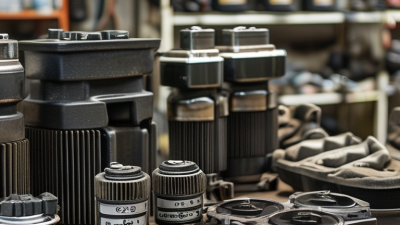
Air and cabin filters Air and cabin filters collect dust, pollen, and road debris.

Wiper blades need replacement when they leave streaks, chatter, or miss sections of glass. Visibility matters more than appearance. Check the rubber edge with a fingertip, but do not inspect it while the blades are moving. Serpentine belts should remain flexible and free from cracks, fraying, or shiny glazed areas. A damaged belt can affect several engine accessories at once. Timing belts require stricter replacement intervals, even when they look acceptable. That detail is easy to overlook.

Inspect brake pads, brake fluid, coolant hoses, and exterior bulbs during regular maintenance. A soft brake pedal, burning smell, or repeated warning light needs prompt professional inspection.

I once delayed replacing worn wipers because they worked “well enough.” Rain quickly proved that judgment poor.

Maintenance records help reveal patterns, especially when several wear components age together. Replacement parts should match the vehicle’s required specifications, and installation should be checked for correct tension, fit, and leaks.

Recognize Warning Signs and Keep Complete Service Records

Top 10 Car Maintenance Tips Every Car Owner Should Know

A warning light is never decoration. When the oil, temperature, battery, or brake symbol appears, reduce speed and check the owner’s manual. A flashing engine light needs quicker attention than a steady one. Pull over safely if you notice smoke, burning smells, loss of power, or a rising temperature gauge. These details can prevent a small fault from becoming expensive damage.

I once ignored a faint grinding sound because the car still drove normally. That was poor judgment. A technician later found worn brake components and uneven rotor wear. Check tire pressure monthly, inspect tread depth, and listen for new noises during short trips. AAA’s 2023 Your Driving Costs report estimated maintenance, repair, and tire expenses at 9.83 cents per mile. Small checks can protect that budget.

Keep complete service records. Record the date, mileage, repair, parts used, and technician’s findings. Store invoices, inspection results, and dashboard photos in one digital folder. This habit helps technicians identify repeated problems and verify recommended service intervals. It also supports a more accurate vehicle history during resale. The National Highway Traffic Safety Administration advises owners to respond to safety recalls promptly and keep vehicle information available. I sometimes forgot to write down minor repairs, and that missing detail made later diagnosis harder. Your memory is not a service record.