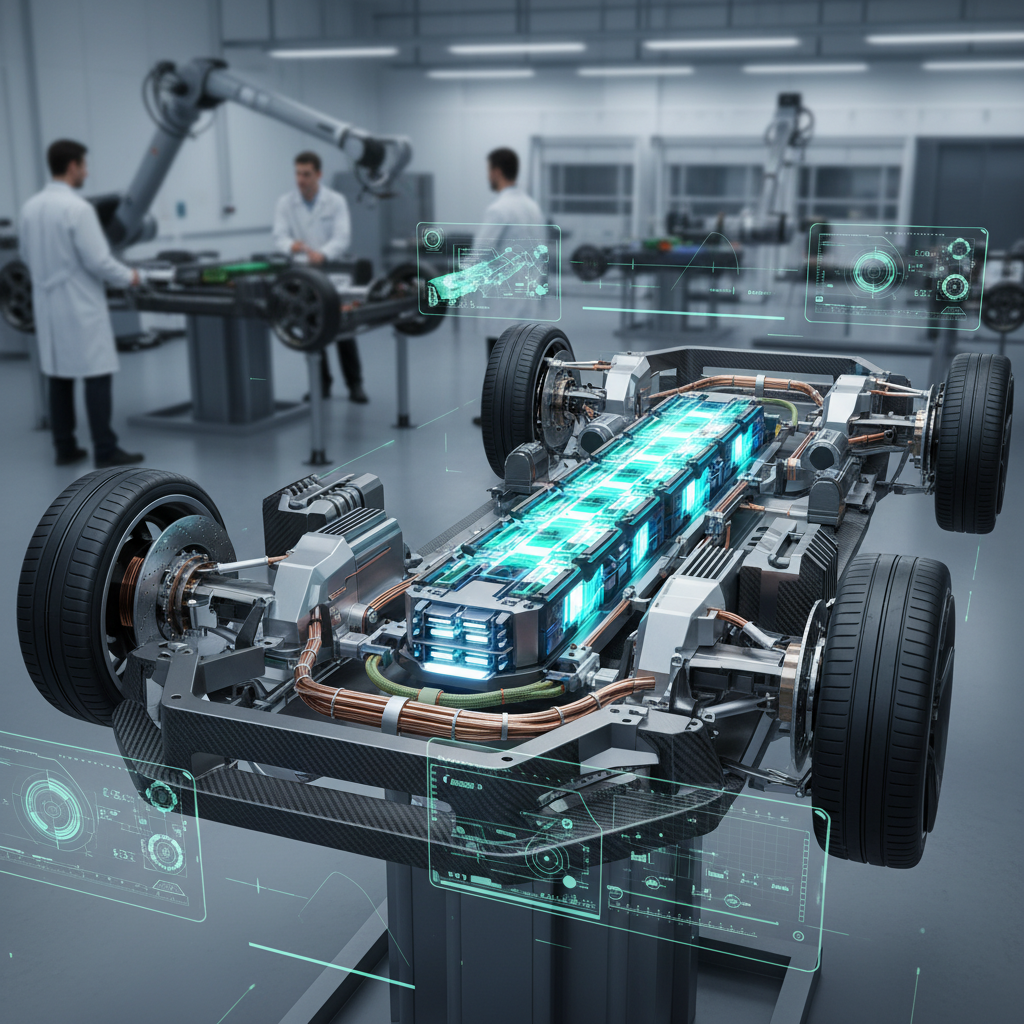
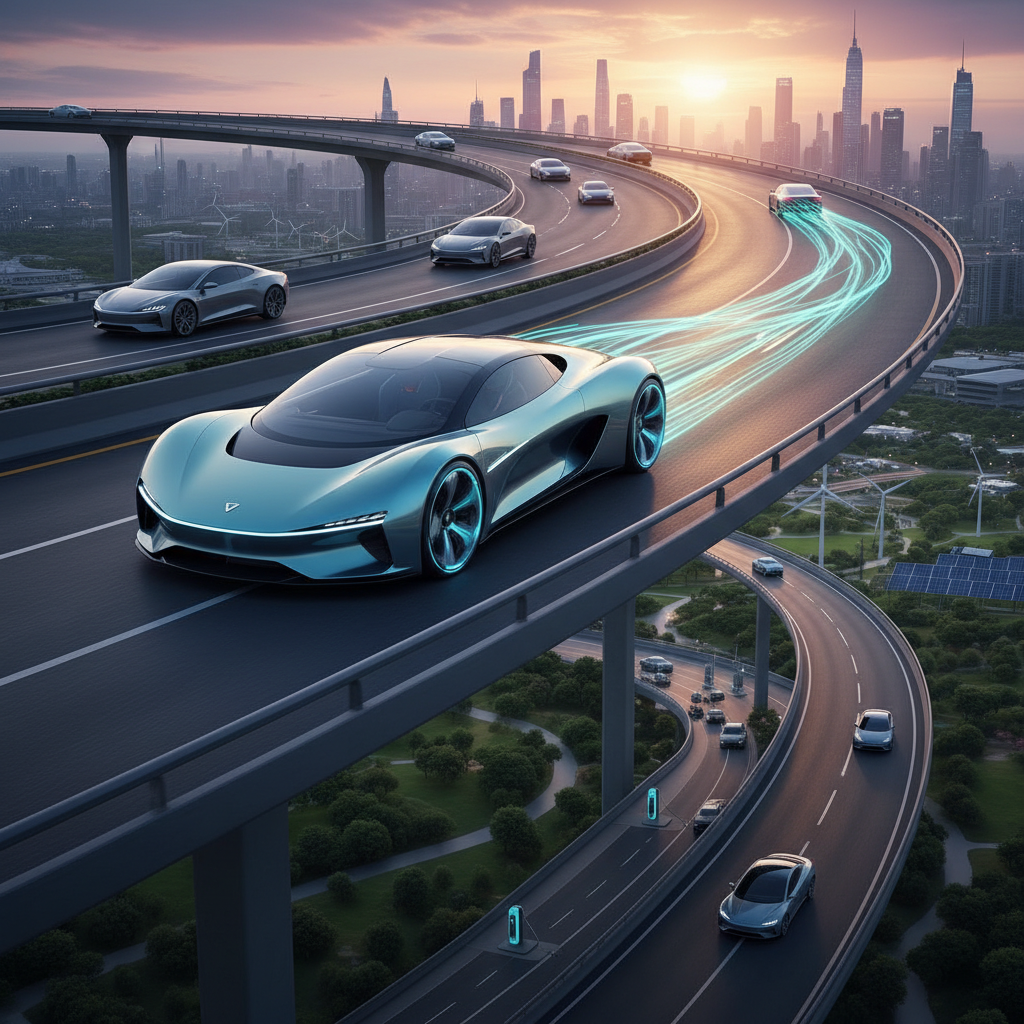
As we look towards 2025, the automotive industry stands on the cusp of a significant transformation driven by advancements in automotive electrical innovations. The rapid evolution of technology and growing consumer demands for enhanced vehicle performance, safety, and sustainability are reshaping the landscape of automotive electrical systems. From electric vehicles (EVs) to smart connectivity features, staying abreast of the top trends in automotive electrical innovations will be essential for manufacturers, consumers, and stakeholders alike.
This article aims to delve into the top ten trends that are predicted to define the future of automotive electrical technologies by 2025. We will explore how innovations such as advanced battery systems, integrated vehicle-to-everything (V2X) communication, and the rise of autonomous driving capabilities are set to revolutionize the way we perceive and interact with vehicles. By understanding these trends, we can better appreciate the transformative journey of the automotive electrical sector, which promises not just enhanced efficiency and performance but also a more sustainable and interconnected automotive ecosystem.
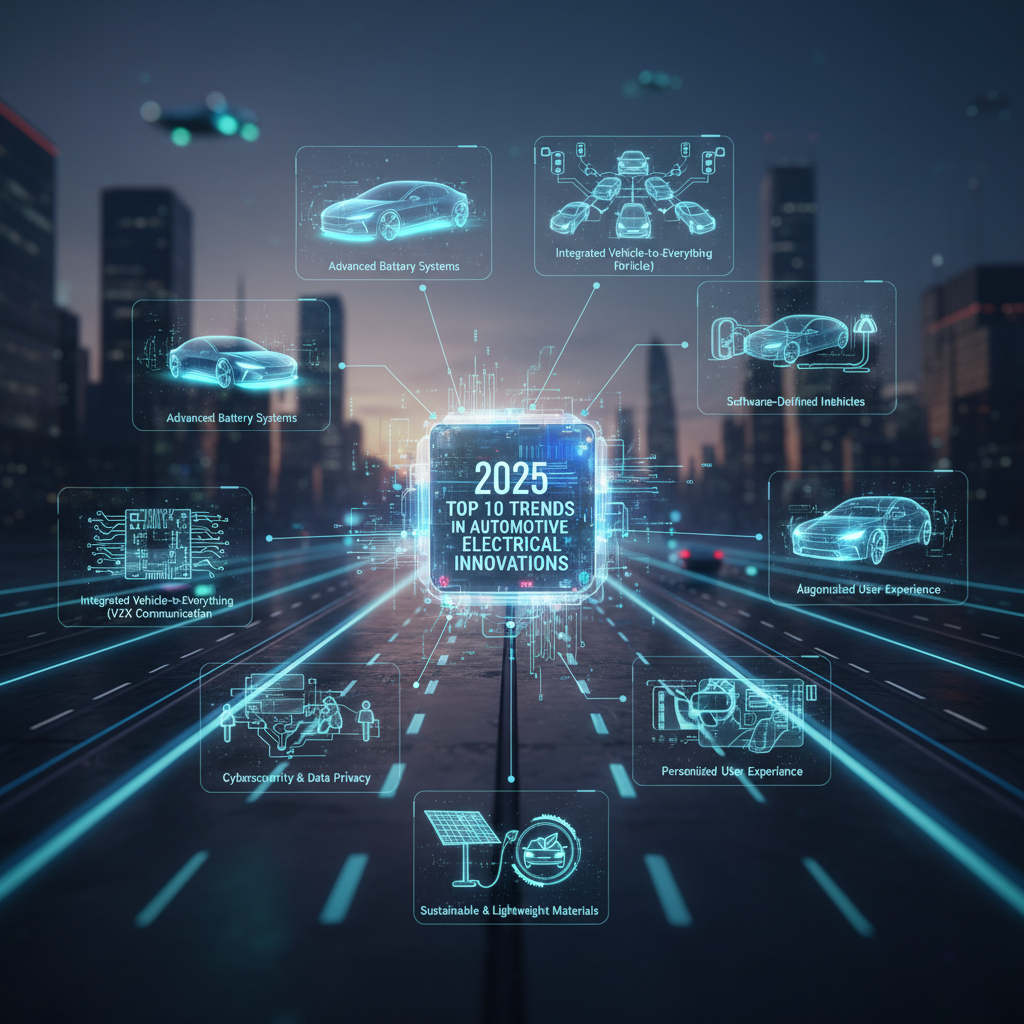
The future of electric vehicles (EVs) is heavily influenced by emerging battery technologies, which are at the forefront of automotive electrical innovations. With the growing demand for sustainable transportation solutions, researchers and manufacturers are investing significantly in the development of advanced battery systems.
Solid-state batteries are gaining attention due to their potential to offer higher energy density, faster charging times, and improved safety compared to traditional lithium-ion batteries. This shift promises to enhance the driving range of EVs, making them more appealing to consumers.
Additionally, innovations in battery recycling and repurposing are shaping the landscape of EV production. As the number of electric vehicles on the road increases, so does the need for effective end-of-life solutions for batteries.
New methods for recycling lithium-ion batteries not only minimize environmental impact but also allow for the recovery of valuable materials, reducing dependency on raw material mining. Furthermore, second-life applications for EV batteries are being explored, providing energy storage solutions for renewable energy sources and contributing to a more resilient energy grid.
These advancements are essential for ensuring the sustainable growth of the automotive industry in the coming years.
As we look towards 2025, the automotive industry is poised to revolutionize the way we think about mobility through cutting-edge smart charging solutions. These innovations will not only enhance the convenience of electric vehicle (EV) ownership but also play a crucial role in promoting sustainable transportation. With the increase in EV demand, advancements in charging infrastructure are becoming imperative. Smart charging technology enables efficient energy management, allowing vehicles to charge during off-peak hours and utilize renewable energy sources.
Tips for embracing smart charging solutions include investing in home charging stations equipped with timers to maximize energy savings, and leveraging community charging networks that support multiple vehicles. Additionally, using apps that monitor charging rates and availability can streamline the charging process, ensuring that EV owners can find optimal charging points when necessary.
Furthermore, upcoming trends focus on vehicle-to-grid (V2G) technology, which allows EVs to interact with the power grid. This not only provides an additional revenue stream for EV owners but also contributes to grid stability. By participating in V2G programs, users can sell excess energy back to the grid during peak demand times, creating a more resilient energy ecosystem while supporting the broader transition to green energy.
The integration of Vehicle-to-Grid (V2G) systems in automotive design represents a transformative shift in how electric vehicles (EVs) can interact with the power grid. By enabling two-way energy flow, V2G technology allows EVs to not only draw power for charging but also return excess energy to the grid during peak demand periods. This capability not only optimizes energy use but also aids in stabilizing the grid, showcasing a promising avenue for enhancing efficiency and sustainability within urban infrastructures.
Moreover, V2G systems enhance the economic viability of owning electric vehicles. As EV owners can earn credits or payments for their contribution to grid stability, the total cost of vehicle ownership decreases, making sustainability more accessible to a broader audience. Automotive manufacturers are increasingly incorporating V2G capabilities into their designs, reflecting a growing recognition of the role of EVs in the energy ecosystem. This trend paves the way for innovative charging solutions and smart energy management systems, ultimately leading to more resilient and adaptive urban environments.
| Trend | Description | Impact | Estimated Adoption Year |
|---|---|---|---|
| Vehicle-to-Grid Communication | Enhanced communication protocols allowing vehicles to connect to the grid. | Improved energy distribution and grid reliability. | 2025 |
| Smart Charging Stations | Charging stations equipped with intelligent technology for better energy management. | Reduced peak load on grids and efficient energy use. | 2025 |
| Battery Storage Innovations | Advancements in battery technology for greater storage capabilities. | Enables more effective energy storage and utilization. | 2024 |
| Renewable Energy Integration | Incorporating renewable energy sources directly into vehicle charging systems. | Promotes sustainability and reduces carbon footprint. | 2026 |
| Demand Response Systems | Systems that optimize energy resources based on demand fluctuations. | Enhances grid efficiency and energy costs. | 2025 |
| Automated Load Balancing | Auto-adjustment of energy distribution in real-time among vehicles. | Maximizes energy efficiency and minimizes wastage. | 2026 |
| Vehicle Fleet Management Solutions | Advanced management systems for electric vehicle fleets. | Optimizes performance and operational costs. | 2024 |
| Electric Vehicle-to-Home Solutions | Using EVs as backup power sources for homes. | Enhances energy security for homeowners. | 2025 |
| Cybersecurity for EV Networks | Measures and protocols for securing EV charging networks. | Protects users and infrastructure from cyber threats. | 2025 |
The automotive sector is witnessing unprecedented advancements in electrification, which not only enhance vehicle performance but also significantly improve energy efficiency. As the industry shifts towards sustainability, the electrification of vehicles is projected to account for over 50% of total automotive sales by 2025, according to industry reports. Innovations such as advanced battery technologies and electric powertrains are central to this transformation, offering capabilities that surpass traditional internal combustion engines in both efficiency and responsiveness.
Recent developments highlight the increasing emphasis on high-performance electrification solutions, particularly in military applications. The demand for electric military vehicles is escalating, with projections indicating a growth rate of nearly 20% annually. These vehicles require robust engineering to tackle challenges associated with power management and thermal management, which are critical for maintaining operational effectiveness in diverse environments. The integration of cutting-edge technologies significantly enhances the capabilities of electric military systems, promising to redefine the landscape of modern warfare while adhering to the principles of sustainability.
The automotive industry is undergoing a revolutionary shift towards lightweight electrical components, significantly enhancing vehicle performance and efficiency. According to a recent report by McKinsey, the global shift to electric vehicles (EVs) could reduce weight in automotive architectures by approximately 15-20% by 2025. Innovations such as advanced composite materials and high-strength aluminum are increasingly utilized, allowing manufacturers to optimize the weight of electrical systems without compromising durability or functionality.
As vehicles become lighter, the demand for more compact and efficient electrical components is surging. For instance, research from the International Council on Clean Transportation indicates that lightweight wiring harnesses and optimized power distribution systems can contribute to reducing the overall vehicle weight, leading to enhanced energy efficiency and improved range. Additionally, integrating smart materials that respond dynamically to changing conditions can further elevate performance metrics.
Tips: When considering lightweight electrical innovations for your automotive developments, focus on sourcing materials that not only reduce weight but also provide higher electrical conductivity. Collaboration with material engineers can also yield innovative solutions that enhance performance while maintaining compliance with safety standards. Regularly review industry reports and attend trade shows to stay ahead of emerging technologies and best practices in lightweight materials.
© 2025 Grandmark International. All rights reserved.
© 2020 Grandmark. Grandmark International. All rights reserved. Proud shareholder of Temot International.