Automotive lighting has become more than a way to see the road after dark. In 2026, it also shapes how drivers notice vehicles, read road conditions, and interact with cabin controls. Yet a bright, high-tech appearance does not automatically mean better visibility. Beam design, installation quality, weather, and maintenance all matter.
LED headlights are common across many newer vehicle ranges because they use less power than traditional halogen units and allow compact designs. Halogen lamps remain a practical, familiar option, while HID systems still appear in some vehicles. Adaptive and matrix LED systems can adjust parts of the beam around traffic, but their performance depends on calibration and vehicle design. OLED technology is more often associated with distinctive rear-light styling than everyday headlamps. Laser lighting remains a specialized solution, not a universal upgrade.
There are trade-offs. More features can mean more complex repairs, and a poorly aimed headlight can create glare instead of useful illumination. Daytime running lights, tail lamps, brake lights, turn signals, and interior ambient lighting each serve different purposes; they should not be judged by brightness alone. Small details matter. A clear lens, a consistent beam pattern, and responsive brake lights can make a noticeable difference in daily driving.
This guide compares the main automotive lighting types expected on the road in 2026, explaining how they work, where they fit, and what buyers should consider. The best choice is not always the newest one. Vehicle compatibility and real-world use deserve a closer look.
What Are the Top Automotive Lighting Types in 2026?
Automotive Lighting Categories and Their Core Functions
Exterior lighting serves several distinct purposes. Low-beam headlights illuminate the road ahead without directing excessive light toward oncoming drivers. High beams extend visibility on darker, open roads, but drivers should switch them off when other vehicles approach. Daytime running lights help a vehicle remain visible during daylight; they are not a substitute for headlights at night. Turn signals communicate intended direction, while brake lights alert following drivers when a vehicle slows.
Fog lights are designed to cast a broad, low beam in certain poor-visibility conditions. Reverse lights illuminate the area behind a vehicle and signal that it is backing up. Inside the cabin, instrument and ambient lighting help drivers read controls and locate items. Some vehicles also use adaptive headlights that adjust their beam direction as the vehicle turns. Their performance depends on system design and conditions, so the category name alone tells only part of the story.
Tips: Check that lenses are clean and lights work before driving, especially after rain or a rough road. Replace damaged bulbs or assemblies with suitable parts. A bright beam can still be poorly aimed; this detail is easy to overlook.
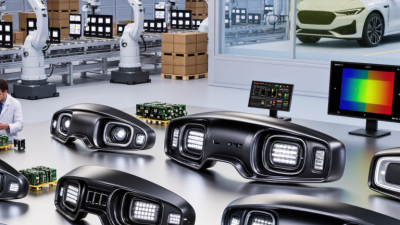
Halogen, HID, LED, and laser headlights differ in cost, efficiency, and beam control. Halogen bulbs use a heated filament, producing a familiar warm glow and easy replacement. They are generally less efficient and shorter-lived than newer options. HID systems create light through an electric arc, often delivering a bright, far-reaching beam. Their warm-up time and glare potential can be drawbacks when poorly aimed.
LED headlights use semiconductor chips, allowing compact designs and precise beam patterns. They switch on quickly and typically consume less energy than halogen systems. Laser lighting can support long-range illumination, but it usually works with other light sources and complex optics. It is not automatically the best choice. Still, brighter is not always better.
Beam quality matters.
The Insurance Institute for Highway Safety reported in a 2022 analysis that vehicles with good-rated headlights had 19% lower nighttime crash rates than those with poor-rated headlights. That finding compares headlight ratings, not bulb technologies, so it should not be read as proof that one type is safest.
A sharply cut beam can light road markings without shining directly into oncoming drivers’ eyes. Small alignment errors matter. In practice, choose based on usable visibility, glare control, replacement cost, and the vehicle’s tested headlamp design—not the light source alone.
In 2026, tail, brake, and turn lamps remain essential communication tools, not decorative details. Tail lamps outline a vehicle in darkness or rain; brake lamps show a sudden speed change, while turn lamps communicate direction before a maneuver. NHTSA’s evaluation of center high-mounted stop lamps reported an estimated 4.3% reduction in rear-end crashes involving passenger cars. That finding concerns the high-mounted brake lamp specifically, but it underscores how timely, visible signals can matter.
Lamp performance depends on more than brightness. A cracked lens, faded reflector, or thin layer of road grime can weaken the signal. Brake lamps should illuminate promptly when the pedal is pressed, and turn indicators should flash consistently on both sides. LED systems can respond quickly, but repairs still require compatible components and careful installation. A brighter lamp is not automatically a clearer one; glare can make signals harder to read.
Tips: Check all four corners after dark, with someone pressing the brake and activating each turn signal. Clean the lenses and look for moisture inside. Small defects are easy to overlook, and I’d still recheck a repair after a few days on the road.
Interior lighting does more than make a cabin look modern. A soft ambient strip along the door or dashboard can help passengers find controls at night without flooding the driver’s view. Map lights should cast a focused beam onto a page or console, not into someone’s eyes. Footwell lamps can make it easier to spot a dropped item, while cargo-area lights matter when loading groceries in a dim parking garage. Small details matter. Even useful lighting can feel harsh if its color is too cool or its brightness cannot be adjusted.
Auxiliary lights serve a different purpose. Fog lamps, where fitted, can improve near-road visibility in poor conditions, while work or loading lights help illuminate the area around a parked vehicle. Their placement and aim matter; a bright beam pointed toward other drivers creates glare rather than useful visibility. Check the vehicle’s manual before changing bulbs or adding fixtures, since electrical capacity and installation vary. It is easy to overvalue extra brightness. Comfort often comes from well-placed, low-glare light, and a dark corner may be better than another lamp.
| Category | Lighting type | Typical location | Main purpose | Common technology and practical notes |
|---|---|---|---|---|
| Interior | Ambient lighting | Dashboard, doors, center console, and footwells | Adds low-level cabin illumination and helps occupants locate controls and storage areas at night. | Usually uses small LEDs. Adjustable brightness and restrained output help limit reflections on windows and displays. |
| Interior | Map and reading lights | Overhead console or near the front seats | Provides focused light for reading or finding small items without illuminating the whole cabin. | LEDs are common; individually controlled, well-aimed lamps can reduce light spill toward the driver. |
| Interior | Dome and courtesy lights | Headliner, door areas, or entry points | Lights the cabin when doors open and helps passengers enter, exit, and find belongings. | Often linked to door switches and a timed fade-out. LED units are widely used; some older vehicles use incandescent bulbs. |
| Interior | Instrument and control-panel lighting | Instrument cluster, switches, and center stack | Keeps driving information and vehicle controls readable in low-light conditions. | Uses LEDs or display backlighting, usually with adjustable brightness. Appropriate dimming helps avoid distracting glare at night. |
| Interior | Footwell lighting | Below the dashboard and, where fitted, beneath rear seats | Makes the floor area easier to see when entering, exiting, or locating dropped items. | Typically low-output LEDs; some systems operate with the courtesy lights or allow brightness adjustment. |
| Interior | Cargo and trunk lighting | Trunk, liftgate, or cargo compartment | Illuminates luggage and cargo areas when the compartment is opened. | LEDs are common. Light placement and cargo obstructions affect how evenly the space is illuminated. |
| Auxiliary exterior | Front fog lamps | Low on the front of the vehicle | Can improve near-road visibility in fog or other poor-visibility conditions when properly designed and aimed. | Available with LED and other light sources. Use and installation rules vary by location; incorrect aim can cause glare. |
| Auxiliary exterior | Driving and spot lamps | Front of the vehicle, often mounted as additional lamps | Provides extra forward illumination for appropriate off-road or permitted driving situations. | LED is common. Beam pattern, alignment, wiring, and local rules matter; high-intensity beams can dazzle other road users. |
| Auxiliary exterior | Work and scene lights | Exterior sides, rear, roof, or utility-area mounts | Lights the area around a stationary vehicle for tasks such as loading, repairs, or work at a job site. | Often LED floodlights with a broad beam. They are intended for work-area use, not as a substitute for road-approved headlamps. |
| Auxiliary exterior | Perimeter and approach lights | Door handles, mirrors, or beneath the vehicle body | Helps illuminate the ground near the vehicle for approaching, unlocking, or entering in the dark. | Usually low-power LEDs activated by unlocking, opening a door, or a vehicle setting; availability and operation vary by model. |
Note: Equipment availability, permitted use, and installation requirements vary by vehicle and jurisdiction. Auxiliary lamps should be correctly installed and aimed.
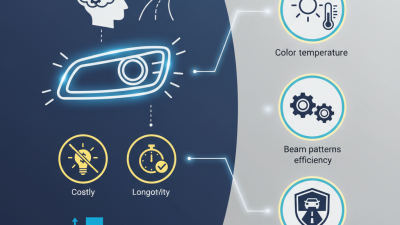
Compare the beam, not just the bulb. Halogen lamps are usually inexpensive and straightforward to replace, but their light output and energy efficiency are generally lower than LED systems. HID lamps can produce strong illumination, though their glare and beam alignment depend heavily on the housing and setup. LEDs offer compact packaging and quick response, but performance varies with optics and heat management. Not just brightness.
For a useful comparison, check how far each headlamp illuminates the road and whether it lights the roadside without shining into oncoming drivers’ eyes. The Insurance Institute for Highway Safety’s 2016 study found that vehicles with good-rated headlights had 19 percent fewer nighttime single-vehicle crashes than those with poor-rated headlights. That makes beam performance a safety measure, not a showroom detail. The test did not mean every driver will see the same benefit.
Adaptive driving beams adjust portions of the beam around detected traffic; they are a control feature, not a separate light source. NHTSA’s 2022 rule permitting this technology reflects its potential, but real-world performance still depends on sensors, calibration, and road conditions. When comparing systems, review independent test results, replacement costs, and service requirements. A bright lamp can still disappoint on a wet, unmarked road. And tests cannot capture every road.
© 2025 Grandmark International. All rights reserved.
© 2020 Grandmark. Grandmark International. All rights reserved. Proud shareholder of Temot International.