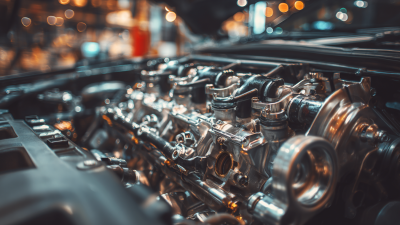
Choosing an engine is not just a question of power. Buyers also weigh fuel prices, repair access, driving distance, climate, and the age of the vehicle. A compact petrol engine may suit crowded city streets, where short trips and easy refueling matter. A diesel engine can make sense for steady highway travel, though maintenance needs and local fuel availability deserve careful attention. There is no universal winner.
This guide compares the main car engine types available to global buyers, including petrol, diesel, hybrid, plug-in hybrid, and battery-electric powertrains. Each option has trade-offs. Hybrids can reduce fuel use in stop-and-go traffic, while plug-in models need reliable charging to deliver their full benefit. Electric vehicles avoid tailpipe emissions, but range, charging access, and battery condition vary by model and region. Details matter. A test drive can reveal things a spec sheet cannot, such as cabin vibration, throttle response, or how smoothly the engine handles a steep road.
Reliable decisions start with the exact vehicle, not broad claims about an entire engine category. Check the manufacturer’s service schedule, warranty terms, and availability of trained technicians near you. Compare real-world fuel or energy consumption where credible local data exists. One caution: published figures may not match your daily route. Some buyers may value simplicity over efficiency, and that is reasonable. The best choice depends on how you actually drive, what support is available, and which compromises you can live with.
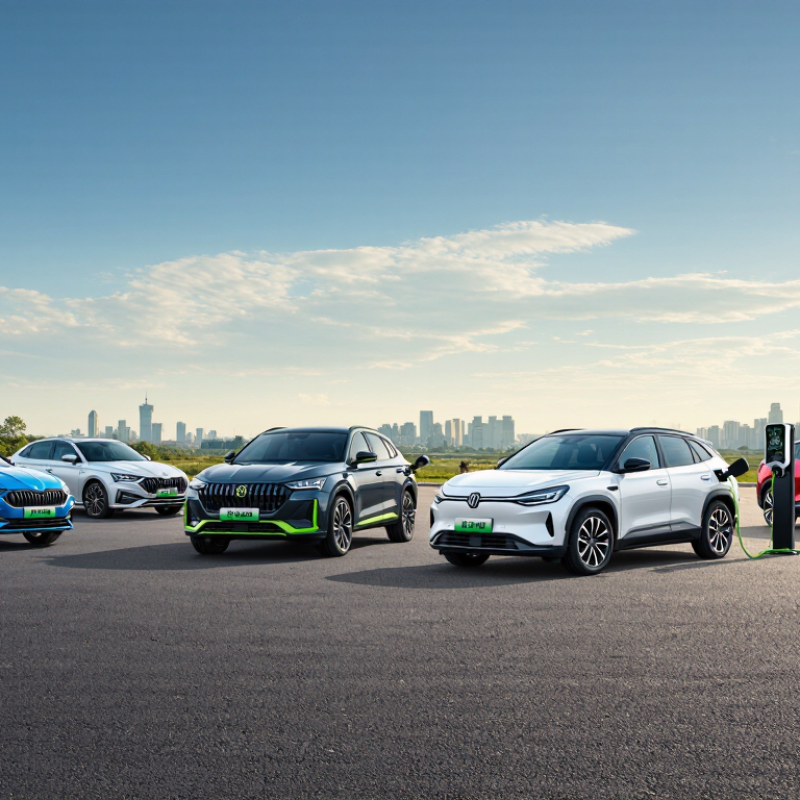
Top Car Engine Types for Global Buyers
How Global Buyers Classify Automotive Engines and Powertrains
Global buyers often compare engines by fuel, operating method, and the way power reaches the wheels. A gasoline engine burns fuel internally, while a diesel engine typically delivers strong low-speed pulling power. Both depend on fuel availability, service skills, and driving conditions. These details matter more than a specification sheet suggests.
A hybrid combines an engine with an electric motor and a small battery. A plug-in hybrid can travel farther on stored electricity, but needs regular charging to make that feature worthwhile. Battery-electric vehicles use motors without an onboard combustion engine. Hydrogen fuel-cell vehicles also use electric motors, though they generate electricity onboard. Categories can blur: a hybrid is not simply an engine type, but a complete powertrain.
Tips: Check whether figures describe the engine alone or the whole powertrain. Compare fuel use, charging access, payload, climate, and repair support in the intended market. Look at real-world driving patterns, too. A short commute and a long rural route can favor different systems. Specs are useful, but they don’t settle every question. Even experienced buyers may misjudge local service coverage; it deserves a second look.
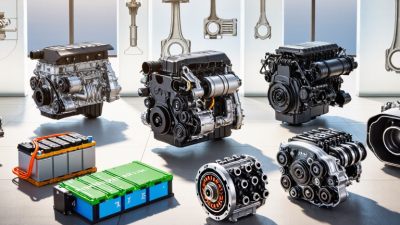
Gasoline and diesel engines suit different driving patterns. The U.S. Department of Energy’s Alternative Fuels Data Center reports that diesel engines can be 30–35% more fuel-efficient than comparable gasoline engines. That advantage matters on long highway routes, where steady speeds let diesel engines use less fuel per distance. Their strong low-speed pulling power also suits loaded vans and commercial vehicles.
Gasoline engines often fit buyers who make shorter trips or drive fewer annual miles. They are generally quieter, and gasoline is widely available in many passenger-car markets. But fuel prices, vehicle taxes, repair access, and local resale demand can change the cost calculation. The International Energy Agency’s Global Fuel Economy Initiative highlights fuel economy as a key factor in reducing road-transport energy use. A quoted efficiency figure is not a promise; traffic, temperature, payload, and maintenance all affect real-world consumption.
Tips: Compare official fuel-consumption figures for the exact engine and vehicle, then check local fuel prices and service availability. A useful detail: record fuel use over several fill-ups on your usual route. Small samples can mislead. Don’t assume diesel always wins; for occasional short trips, its purchase and upkeep costs may outweigh fuel savings.
Hybrid and plug-in hybrid systems both combine a combustion engine with an electric motor, but they suit different driving patterns. A conventional hybrid charges its small battery while driving and braking. It can reduce fuel use in stop-and-go traffic, where frequent braking helps recover energy. On a steady highway trip, the engine may do more of the work. No charging cable is needed.
Plug-in hybrids have larger batteries that can be charged from an outlet. Depending on the vehicle and conditions, they may cover many short daily trips using electricity alone. Cold weather, high speeds, hills, and cabin heating can shorten electric range. A commute of 20 miles might fit within a vehicle’s rated range, yet real use can differ. That matters.
For buyers comparing running costs, consider the distance between home, work, and reliable charging points. Charging regularly can make a plug-in hybrid more economical on short journeys; without it, carrying a larger battery may offer less benefit. Check fuel-use estimates and electric-range figures for the specific driving conditions you expect. Test-drive both types if possible. I would not choose from laboratory figures alone; traffic, charging habits, and even a steep driveway can change the experience.
Battery-electric cars moved from a niche choice to a major part of the global market in 2023. The International Energy Agency’s Global EV Outlook 2024 reports nearly 14 million electric-car sales worldwide, about 18% of all new cars sold. That figure includes both battery-electric and plug-in hybrid cars, so it should not be read as battery-electric sales alone. Still, it shows how quickly charging and vehicle options are expanding. A quiet start at the curb, followed by smooth acceleration, is now familiar to many drivers.
For global buyers, battery-electric models can suit regular city trips, especially where home or workplace charging is available. Range is only part of the decision. Check local charger access, cold-weather performance, battery warranty terms, and the cost of replacing a damaged component. The IEA also notes that sales are uneven across regions; infrastructure and affordability remain real constraints. Numbers do not tell the whole story. I would not choose on headline range alone.
Tips: Map chargers along your actual weekly routes before buying. Compare usable range in your climate, not just the advertised figure. If charging access is uncertain, test the routine for a week. That small check can reveal an inconvenient gap.
Global electric car sales, including battery-electric and plug-in hybrid cars, rose substantially between 2020 and 2023.
Figures are rounded estimates. Source: International Energy Agency (IEA), Global EV Outlook 2024.
Hydrogen fuel-cell powertrains generate electricity onboard. Hydrogen passes from a pressurized tank into a fuel-cell stack, where it reacts with oxygen from the air. The reaction produces electricity, water, and heat. An electric motor then turns the wheels, while a small battery can help during acceleration. Refueling takes minutes, and the tailpipe emits water vapor rather than carbon dioxide. The US Department of Energy notes that fuel-cell vehicles can exceed 60% efficiency, compared with about 20% for typical gasoline vehicles. Real-world performance still depends on temperature, driving style, and station access.
They fit best where quick refueling and long daily routes matter, such as heavy-use fleets or regions with reliable hydrogen supply. Yet infrastructure remains scarce. The International Energy Agency’s Global Hydrogen Review 2024 reports that the global fuel-cell vehicle fleet was close to 90,000 in 2023, with deployment growth slowing. That is a small base for a technology often discussed at national scale. Hydrogen’s climate benefit also depends on production: hydrogen made using fossil fuels without effective emissions controls can carry substantial upstream emissions. A cold morning, a distant station, or an empty dispenser can matter more than the powertrain’s promise. That gap deserves scrutiny.
| Topic | How It Works | Practical Characteristics | Where It Fits |
|---|---|---|---|
| Powertrain layout | A fuel-cell stack combines hydrogen with oxygen from the air in an electrochemical reaction, producing electricity, water, and heat. Electricity powers an electric motor. | The vehicle is electrically driven. A small battery typically stores recovered braking energy and helps meet short bursts of higher power demand. | Vehicles suited to electric drive that also need onboard energy storage for longer journeys or intensive daily use. |
| Onboard hydrogen storage | Hydrogen is stored as a compressed gas in specially designed high-pressure tanks. | Light-duty fuel-cell vehicles commonly use 700-bar storage. Some heavier vehicle applications use 350-bar systems. Tank design, safety certification, and packaging affect vehicle layout. | Vehicles designed around certified hydrogen tanks and supported by compatible refueling equipment. |
| Refueling | A dispenser transfers compressed hydrogen into the vehicle’s storage tanks at a suitable station. | Refueling can take only a few minutes at an operating station, but actual time depends on the vehicle, dispenser, station conditions, and filling protocol. | Routes near dependable hydrogen stations, especially predictable fleet routes with planned refueling access. |
| Driving characteristics | The electric motor delivers traction directly, while the fuel-cell system supplies electricity during operation. | Electric-motor response is smooth and quiet. Driving range and performance depend on vehicle design, tank capacity, load, weather, and driving conditions. | Drivers who want electric propulsion but have limited access to charging or require rapid refueling on regular routes. |
| Vehicle emissions | The fuel-cell reaction produces water at the vehicle; the powertrain does not burn hydrogen in an engine. | There are no tailpipe carbon dioxide emissions from the fuel-cell reaction. Total climate impact depends on how hydrogen is produced, compressed, transported, and dispensed. | Best assessed where hydrogen supply has a low lifecycle emissions footprint. |
| Energy efficiency | Hydrogen is converted to electricity onboard, which then drives an electric motor. | Making hydrogen from electricity, conditioning it, distributing it, and converting it back to electricity all use energy. A battery-electric vehicle generally uses less upstream electricity for the same distance when both use electricity from the grid. | Applications where refueling speed, vehicle duty cycle, or operational constraints may matter more than maximizing electricity-to-wheel efficiency. |
| Infrastructure needs | Use requires hydrogen production or delivery, suitable storage and transport, and purpose-built vehicle refueling stations. | Station availability is much more limited than conventional fuel access in many regions. Station reliability and supply are essential for routine use. | Markets or fleets with a coordinated hydrogen supply and refueling network. |
| Main advantages | Combines electric-motor driving with onboard hydrogen energy storage. | Potential benefits include quick refueling at equipped stations, no tailpipe carbon dioxide from the fuel-cell reaction, and suitability for some demanding operating schedules. | High-utilization vehicles, fixed-route fleets, or other use cases where hydrogen can be supplied reliably and competitively. |
| Main limitations | The complete system includes a fuel-cell stack, electric motor, battery, hydrogen tanks, and associated thermal and fuel-delivery equipment. | Vehicle and fuel costs, limited station coverage, hydrogen supply emissions, and energy-conversion losses can restrict adoption. | Less practical where hydrogen stations are scarce, vehicle use is irregular, or convenient charging already meets operating needs. |
© 2025 Grandmark International. All rights reserved.
© 2020 Grandmark. Grandmark International. All rights reserved. Proud shareholder of Temot International.