Top 10 Car Maintenance Tips for Chinese Vehicles?
Car maintenance is crucial for every vehicle owner, especially for those who drive Chinese vehicles. Understanding how to care for your car can enhance its longevity and performance. Many drivers overlook basic maintenance, which can lead to costly repairs. Regular attention to your vehicle not only ensures safety but also improves fuel efficiency.
In China, car maintenance practices can differ greatly from Western standards. Local mechanics might follow different guidelines, creating confusion for owners. It’s essential to follow reliable sources for effective car care tips. Simple tasks, like checking tire pressure or changing oil, can make a significant difference. These actions, while often ignored, are vital for your vehicle's health.
Having a basic understanding of car maintenance helps you avoid pitfalls. It’s easy to neglect small issues until they become substantial problems. Learning about your car's needs fosters a proactive approach. This awareness boosts confidence and empowers drivers to manage their vehicle's upkeep efficiently.

Essential Regular Maintenance Tasks for Chinese Vehicles
Regular maintenance is crucial for the longevity of Chinese vehicles. According to industry reports, about 30% of vehicle breakdowns stem from improper maintenance. This highlights the importance of staying on top of maintenance tasks. Key tasks include regular oil changes, typically every 5,000 to 7,500 kilometers. This ensures the engine runs smoothly and prolongs its life.
Another essential task is tire maintenance. Keeping tires properly inflated can improve fuel efficiency by up to 3%. Neglecting tire pressure can lead to uneven wear and increased risk of blowouts. Brake pads should be checked every 20,000 kilometers, as worn pads can significantly reduce stopping power.
Regular inspections should not be overlooked. According to many experts, about 45% of vehicle owners skip vital checks before long trips. Lighting systems, wipers, and fluid levels should always be verified. This can help prevent potential safety risks. Being proactive in these tasks can lead to fewer repairs and greater reliability. Vehicle owners should reflect on whether they’re consistently adhering to these practices.
Understanding the Importance of Engine Oil Changes
Engine oil changes are crucial for maintaining the longevity and performance of your vehicle. Regular oil changes help prevent engine wear, improve fuel efficiency, and reduce harmful emissions. According to industry studies, approximately 70% of engine wear occurs during cold starts when the oil is not yet circulating properly. Changing your engine oil every 5,000 to 7,500 miles can significantly enhance engine health.
Monitor your oil levels regularly. Use the dipstick to check. A low oil level can lead to overheating and engine damage. Pay attention to the oil's color and texture. If it looks dark or gritty, it’s time for a change. The cost of neglecting this essential task can be much higher than the price of regular oil changes.
Using high-quality oil can also alter your engine's efficiency. Synthetic oils may last longer and offer better protection. They resist breakdown better than conventional oils. This is especially important for vehicles driven in extreme conditions. Proper maintenance procedures, including oil changes, can extend your vehicle's lifespan, keeping you safe on the road.
Tips for Maintaining Your Vehicle's Brake System
Maintaining your vehicle’s brake system is crucial for safety. Regular checks can prevent major issues down the line. Start by examining the brake pads. Worn pads can lead to reduced braking efficiency. Listen for squeaking sounds when you brake; this could indicate it's time for replacement.
Brake fluid is another essential component. Check the fluid level frequently. If it appears dark or muddy, it’s time for a change. Brake fluid absorbs moisture over time, which can lead to brake failure. This can be a dangerous oversight.
While routine maintenance is important, it’s also vital to know when to seek professional help. If you've noticed unusual vibrations or changes in brake responsiveness, don’t ignore them. These could signify deeper issues. Be proactive about your car's health. Daily driving can mask problems until they become severe. Reflect on your habits and don’t overlook minor signs that could lead to significant repairs. Taking these steps seriously enhances both safety and vehicle longevity.
How to Care for Your Chinese Vehicle's Tires
Taking care of your Chinese vehicle's tires is crucial for safety and performance. Regularly check tire pressure. Under-inflated tires can reduce fuel efficiency. Over-inflated tires may cause uneven wear. Use a reliable gauge to measure pressure monthly. Aim for the recommended pressure listed in your owner's manual.
Inspect your tires for any visible damage. Look for cracks or bulges on the sidewall. Remove debris that might be lodged in the tread. Monitoring tread depth is essential. A simple penny test can indicate if your tires need replacing. Insert a penny into the tread. If you see the top of Lincoln's head, it’s time for new tires.
Balancing and rotating tires help extend their life. Aim to rotate them every 5,000 to 7,500 miles. This practice promotes even wear across all tires. Neglecting this can lead to premature tire failure. Regular alignment checks also prevent excessive tire wear. It's easy to overlook these tasks, but they are vital for maintaining vehicle health.
Top 10 Car Maintenance Tips for Chinese Vehicles - How to Care for Your Chinese Vehicle's Tires
| Tip Number |
Maintenance Tip |
Frequency |
Description |
| 1 |
Check Tire Pressure |
Monthly |
Ensure tires are inflated to the recommended pressure for optimal performance and safety. |
| 2 |
Rotate Tires |
Every 6,000 - 8,000 miles |
Rotating tires helps even out tire wear and prolongs their lifespan. |
| 3 |
Inspect Tread Depth |
Monthly |
Use a tread depth gauge to check for adequate tread depth to ensure proper grip and safety. |
| 4 |
Check for Damage |
Weekly |
Inspect tires for cuts, punctures, or bulges that can affect performance. |
| 5 |
Balance Tires |
As needed |
Ensure tires are balanced to reduce vibrations and wear on suspension components. |
| 6 |
Align Wheels |
Yearly or as needed |
Proper alignment improves handling and extends tire life. |
| 7 |
Clean Tires |
Monthly |
Cleaning tires removes grime and protects them from deterioration. |
| 8 |
Check Valve Stems |
Monthly |
Inspect for cracks or leaks that can lead to air loss. |
| 9 |
Store Properly |
When not in use |
Store tires in a cool, dry place away from direct sunlight to prevent degradation. |
| 10 |
Replace When Worn |
As needed |
Replace tires when tread depth is below recommended limits for safety. |
Routine Checks for Electrical Systems and Battery Health
Regular checks on electrical systems and battery health are crucial for the longevity of your vehicle. Research shows that nearly 30% of car breakdowns are due to battery issues. To prevent unexpected failures, inspect the battery terminals for corrosion and ensure they are tightly connected. A clean connection promotes better electrical flow, reducing the risk of starting problems.
Monitoring your vehicle's electrical system is equally important. Look out for warning lights on the dashboard. Ignoring these can lead to more significant issues later. The alternator plays a vital role in keeping the battery charged. Pay attention to any dimming lights or strange noises, as these symptoms can indicate alternator problems.
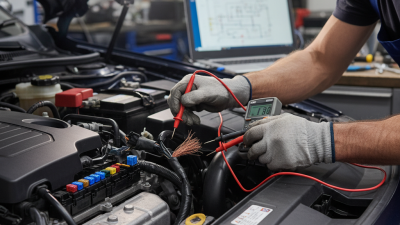
Utilizing a multimeter to check battery voltage can also be beneficial. A healthy battery should read between 12.4 and 12.7 volts when the engine is off. If readings dip below this, it’s a sign the battery may need to be replaced. Regularly scheduled checks of the battery and electrical systems not only enhance performance but also increase your vehicle’s reliability on the road. Reflect on the last time you performed these checks; it might be time to take action.