
In the evolving landscape of manufacturing, the demand for efficient solutions is paramount. The Liquid Filling Machine has become a key player in various industries, ensuring precision and speed. Global buyers seek advanced systems that can adapt to their unique needs. These machines fill containers with liquids, ranging from beverages to chemicals, with unmatched accuracy.
Understanding the nuances of different machines is essential. Knowledgeable buyers must evaluate factors such as speed, volume, and compatibility. The wrong choice can lead to inefficiencies and increased costs. It’s not just about filling; it’s about optimizing the entire production process.
Many buyers have difficulty navigating the options available. A reliable Liquid Filling Machine provider should offer extensive expertise and support. This fosters a productive partnership, guiding buyers toward effective solutions. Ultimately, investing in the right technology can enhance operational efficiency and product quality.
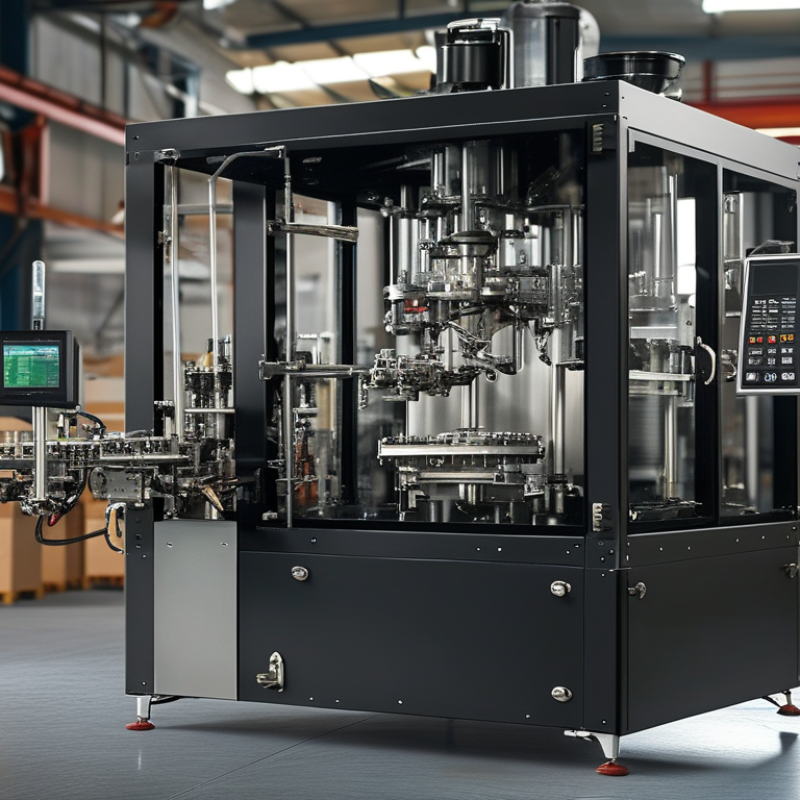
Liquid filling technologies are essential in many industries, including food, beverage, pharmaceutical, and cosmetics. With the global liquid filling machine market expected to exceed $5 billion by 2025, understanding the various technologies is crucial for buyers. According to a recent report by MarketsandMarkets, the demand for automation and efficiency drives this growth, as manufacturers seek to optimize production lines.
Various filling technologies cater to specific applications. Gravity filling works well for thin liquids, while pressure filling is ideal for thicker substances. For example, vacuum filling is commonly used in the beverage industry, allowing precise filling without spills. Each technology has distinct advantages, but also some drawbacks. For instance, while pressure filling increases speed, it may not be suitable for foamy products or those requiring delicate handling.
Market trends suggest an increasing preference for rotary filling machines due to their efficiency and versatility. However, buyers must consider not only the initial investment but also maintenance costs. A poorly maintained machine can lead to production downtime and increased waste. Understanding the nuances of each technology allows global buyers to make informed decisions, balancing speed, reliability, and the unique needs of their products.
Liquid filling machines play a crucial role in various industries, from food and beverage to pharmaceuticals. Understanding their key features is essential for global buyers. A recent industry report indicates that the global liquid filling machine market is projected to grow at a CAGR of 5.9% from 2022 to 2028. This growth reflects the increasing demand for automation and precision in production processes.
Buyers should pay attention to several important features when evaluating liquid filling machines. One key aspect is the fill speed. Machines that can achieve higher fill speeds often enhance productivity. However, there are trade-offs. Higher speeds may sometimes lead to inaccuracies in fill volumes. Buyers must carefully assess their tolerance for such discrepancies. Another critical feature is the machine's compatibility with various liquid types. Some machines are designed only for specific viscosities, which can limit flexibility.
Moreover, the ease of cleaning and maintenance is vital. A report from the Packaging Machinery Manufacturers Institute highlights that downtime due to maintenance can significantly impact production efficiency. Machines requiring intricate cleaning processes may lead to longer lead times. Thus, it's essential for buyers to evaluate the cleaning protocols that each machine demands. Evaluating these features can avert costly mistakes and enhance operational efficiency.
| Key Feature | Description | Benefits |
|---|---|---|
| Filling Accuracy | Precision in measuring and dispensing liquid volumes | Ensures product consistency and reduces wastage |
| Speed | Ability to fill large volumes within a short time | Increases production efficiency and output |
| Versatility | Capable of handling various types of liquids | Suitable for different industries and applications |
| Ease of Use | Simple controls and user-friendly interface | Reduces training time and operational complexity |
| Maintenance | Design for easy cleaning and servicing | Minimizes downtime and operational costs |
In the world of liquid filling, automation plays a pivotal role in enhancing efficiency. According to the International Society for Automation, automated systems can improve production rates by up to 50%. This transformation is driven by advanced technologies such as robotic arms and smart sensors, which minimize human error and allow for precision filling.
Automation also leads to consistent quality control. A report by the Beverage Industry indicates that businesses adopting automated filling solutions see a reduction in product waste by approximately 30%. This improvement stems from real-time monitoring and adjustment capabilities, ensuring each fill meets the specified standards without excess spillage. However, transitioning to fully automated systems requires significant investment and expertise.
Not all companies thrive in this shift. Some face challenges, such as the high cost of initial setup. They must also invest in training personnel to manage and maintain these advanced machines effectively. Moreover, the integration of automation can sometimes lead to disruptions in existing workflows. It’s crucial for companies to assess the feasibility of automation carefully. Ultimately, while automation drives substantial benefits in liquid filling processes, the path to implementation can be complex and necessitate careful planning.
Liquid filling machines play a crucial role in various industries, from food and beverage to pharmaceuticals. Buyers are often overwhelmed by the number of options available. Conducting a comparative analysis of industry leaders can help identify the best fit for your needs. Focus on system versatility, ease of use, and maintenance requirements. These factors significantly influence operational efficiency.
Experiment with different filling technologies. Options include gravity, piston, and peristaltic filling processes. Each method has distinct advantages and setbacks. For instance, piston fillers are precise but may require more maintenance. Assessing these operational nuances is vital for informed decision-making.
When selecting a liquid filling solution, consider scalability. As your production volume grows, your equipment should adapt seamlessly. Conducting a thorough evaluation of potential suppliers' capabilities is essential. Reach out to their existing customers for feedback. Understanding their experiences can provide valuable insights.
The liquid filling machine market is witnessing significant transformations driven by emerging trends and technology advancements. According to a recent industry report, the global liquid filling machinery market is poised to reach USD 7.3 billion by 2025, reflecting a compound annual growth rate (CAGR) of 4.2%. This growth is largely attributed to the rising demand for automated filling processes that enhance efficiency and reduce human error.
Recent innovations have seen the integration of smart technologies in filling machines. For instance, the use of artificial intelligence (AI) allows for more precise filling with minimal waste. Automation also enables better adaptability to various container sizes and shapes. However, the industry faces challenges, such as high initial investment costs and the need for skilled operators to manage complex machinery. According to market analysts, over 30% of existing filling systems may require upgrades to meet modern efficiency standards.
As consumers demand more sustainable practices, companies are also exploring eco-friendly filling solutions. These include the use of recyclable materials and energy-efficient machinery. Yet, this shift requires careful balancing between costs and environmental impact. Companies must reflect on their production processes to align with these changing market dynamics. With the right strategies and technology adaptation, businesses can effectively navigate these emerging trends in the liquid filling machine sector.
© 2025 Grandmark International. All rights reserved.
© 2020 Grandmark. Grandmark International. All rights reserved. Proud shareholder of Temot International.