Top 10 Rubber Wheels You Should Consider for Your Business?
Choosing the right wheels for your business can significantly impact efficiency. Rubber wheels are often preferred due to their durability and versatile applications. Whether you operate in warehousing, transportation, or manufacturing, the right rubber wheels enhance mobility and reduce noise.
In recent years, advancements in rubber wheel technology have increased their effectiveness. Companies are now aware of the different types available. Some rubber wheels offer better grip, while others provide superior shock absorption. Understanding these differences is crucial for optimizing performance. However, selecting the best option can be challenging.
Consider the specific needs of your business. Each application may require a different wheel type. Make sure to weigh factors like load capacity, surface compatibility, and historical performance. Not all rubber wheels are created equal, and mistakes in selection can lead to inefficiencies. Take your time to research and reflect on past experiences when making a decision.
Understanding the Importance of Rubber Wheels in Business Operations
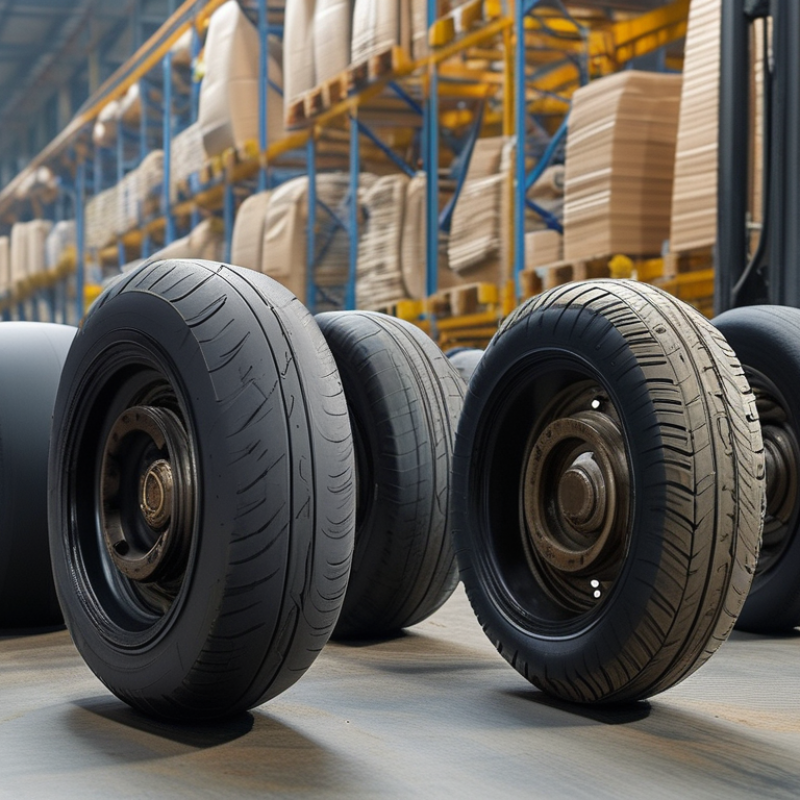
Rubber wheels play a crucial role in various business operations. They provide mobility for equipment and products, affecting efficiency and productivity. Choosing the right rubber wheels can significantly impact your workflow. A quality wheel minimizes friction and ensures smoother transportation. This reliability can lead to operational success.
When selecting rubber wheels, consider your specific needs. Assess the weight capacity required for your tasks. If your equipment is heavy, opt for wheels that can handle the loads efficiently. Remember, not all rubber wheels are created equal. Some may wear out quickly under regular use.
Tip: Regular maintenance is essential. Inspect wheels for wear and tear frequently. This includes checking the tread and overall structure. Damaged wheels can slow down operations. Don’t overlook how wheel size affects maneuverability. Large wheels handle rough terrain better, while smaller wheels fit tight spaces.
Choosing the wrong type can lead to frustration. It’s vital to research materials and designs. The right rubber compound affects durability. Keep in mind that a well-informed choice enhances productivity and reduces downtime.
Key Factors to Consider When Selecting Rubber Wheels
When selecting rubber wheels, understanding key factors can greatly influence performance. The hardness of rubber is critical. Softer wheels offer better grip on various surfaces, ideal for indoor use. However, harder wheels handle rough terrains better, providing durability. Consider your specific requirements based on usage.
Additionally, wheel diameter plays a vital role. Smaller wheels maneuver easily, suitable for tight spaces. Larger wheels provide stability and smooth movement over uneven surfaces. Pay attention to load capacity, which determines how much weight a wheel can bear. A miscalculation here can lead to equipment failure.
Lastly, the material composition of rubber wheels affects reliability. Different formulas offer unique benefits. Evaluate environmental factors such as temperature and exposure to chemicals. This helps in choosing wheels that last longer in your business context. Don't overlook the wheel design and tread pattern. They can enhance traction and performance significantly. Take your time in evaluating all these factors to ensure optimal choices for your operations.
Top 10 Rubber Wheels for Durability and Performance
When selecting rubber wheels for durability and performance, consider the material and design. High-quality rubber offers excellent grip. This helps in reducing slippage on various surfaces. A well-designed wheel can enhance the stability of your equipment. Look for wheels that have reinforced edges for added resistance to wear.
Tips: Always think about the load capacity of the wheels. Test them under actual operating conditions to gauge their performance. A wheel may look robust but can fail under heavy, continuous use.
Bumpy surfaces can be tough on wheels, leading to quick deterioration. Ensure the right type of tread is used for your specific environment. A specialized tread design can improve traction and lifespan. Examine the overall dimensions. Often, slightly larger wheels handle uneven terrain better.
Tips: Regularly inspect your wheels for signs of wear. A small crack can lead to bigger problems down the line. Take note of how your equipment behaves during use. This can provide insight into wheel performance. Each setting may require different wheel features for optimal performance.
Comparing Rubber Wheel Types: Solid vs. Pneumatic
When selecting wheels for your business, rubber wheel types play a crucial role. Solid rubber wheels are often favored for their durability. They resist punctures and can handle heavy loads with ease. This is particularly beneficial in environments with rough surfaces. However, they can lack shock absorption, leading to jarring movements. This is something to consider if comfort is important in your operations.
On the other hand, pneumatic wheels provide better cushioning. They are filled with air, which allows them to absorb shocks and vibrations. This feature is ideal for transporting goods over uneven terrain. But be cautious: pneumatic wheels are more susceptible to punctures. You may need to replace them more frequently. Balancing durability and comfort is essential. Think about your specific usage scenarios before making a decision.
Top 10 Rubber Wheels Comparison: Solid vs. Pneumatic
Maintenance Tips for Prolonging the Life of Rubber Wheels
Rubber wheels are vital for many businesses. Proper maintenance can extend their lifespan significantly. Regular checks on wear and tear are essential. Inspect the tread for irregularities. Look for cracks or splits that might signal deeper issues. A worn tire can lead to inefficient operations.
Cleaning is crucial too. Use a soft cloth to wipe away dirt and debris. Debris can cause uneven wear. If left unchecked, this could lead to higher replacement costs. Additionally, store wheels in a cool, dry place to prevent degradation. Extreme temperatures can adversely affect the rubber.
Proper inflation also plays a role. Ensure they are inflated to the recommended levels. Under-inflated wheels may not perform well. Over-inflation can cause them to burst. It’s worth noting that ideal conditions can be hard to maintain. Many users overlook these practices, leading to setbacks. Regular servicing can help identify unseen damage early.
Top 10 Rubber Wheels You Should Consider for Your Business - Maintenance Tips for Prolonging the Life of Rubber Wheels
| Wheel Type | Load Capacity (lbs) | Diameter (inches) | Wheel Width (inches) | Suitable Surface | Maintenance Tip |
| Solid Rubber Wheel | 800 | 8 | 2 | Concrete | Clean regularly to prevent debris accumulation. |
| Pneumatic Wheel | 500 | 10 | 3 | Grass | Check air pressure frequently to avoid flats. |
| Swivel Caster Wheel | 600 | 6 | 2.5 | Wood | Lubricate swivel bearings regularly. |
| Heavy Duty Rubber Wheel | 1200 | 12 | 4 | Asphalt | Inspect for cracks and replace if necessary. |
| Rubber Overlay Wheel | 700 | 9 | 2 | Tile | Wipe with a damp cloth to remove dirt. |
| Industrial Rubber Wheel | 1500 | 14 | 5 | Gravel | Keep stored in a cool, dry place away from UV rays. |
| Non-Marking Wheel | 400 | 7 | 3 | Warehouse Floor | Avoid using on uneven surfaces to prevent damage. |
| All-Terrain Wheel | 900 | 11 | 4 | Mud | Rinse off mud and debris after use. |
| Caster Wheel with Brake | 550 | 8 | 2 | Level Surfaces | Test brakes regularly to ensure functionality. |
| Heavy Load Caster Wheel | 2000 | 16 | 5 | Industrial Floor | Inspect for wear and replace when needed. |