grandmark logoGrandmark International
@alexaseleno
Skip to main content

Unlocking Performance: Essential Tips to Optimize Your Car Engine Efficiency

Optimizing your car engine's efficiency is crucial for enhancing performance, reducing fuel consumption, and extending the lifespan of your vehicle. In today’s automotive landscape, where efficiency meets technology, understanding how to unlock the full potential of your car engine is both an art and a science. This article will provide you with essential tips and practical strategies to maximize your engine's efficiency. From regular maintenance practices to fuel quality selection and driving habits, we will explore how these elements contribute to a finely-tuned car engine. By implementing these insights, not only can you improve your driving experience, but you can also save money and contribute to an eco-friendlier environment. Join us as we delve into the vital factors that influence car engine performance and discover actionable steps you can take today.
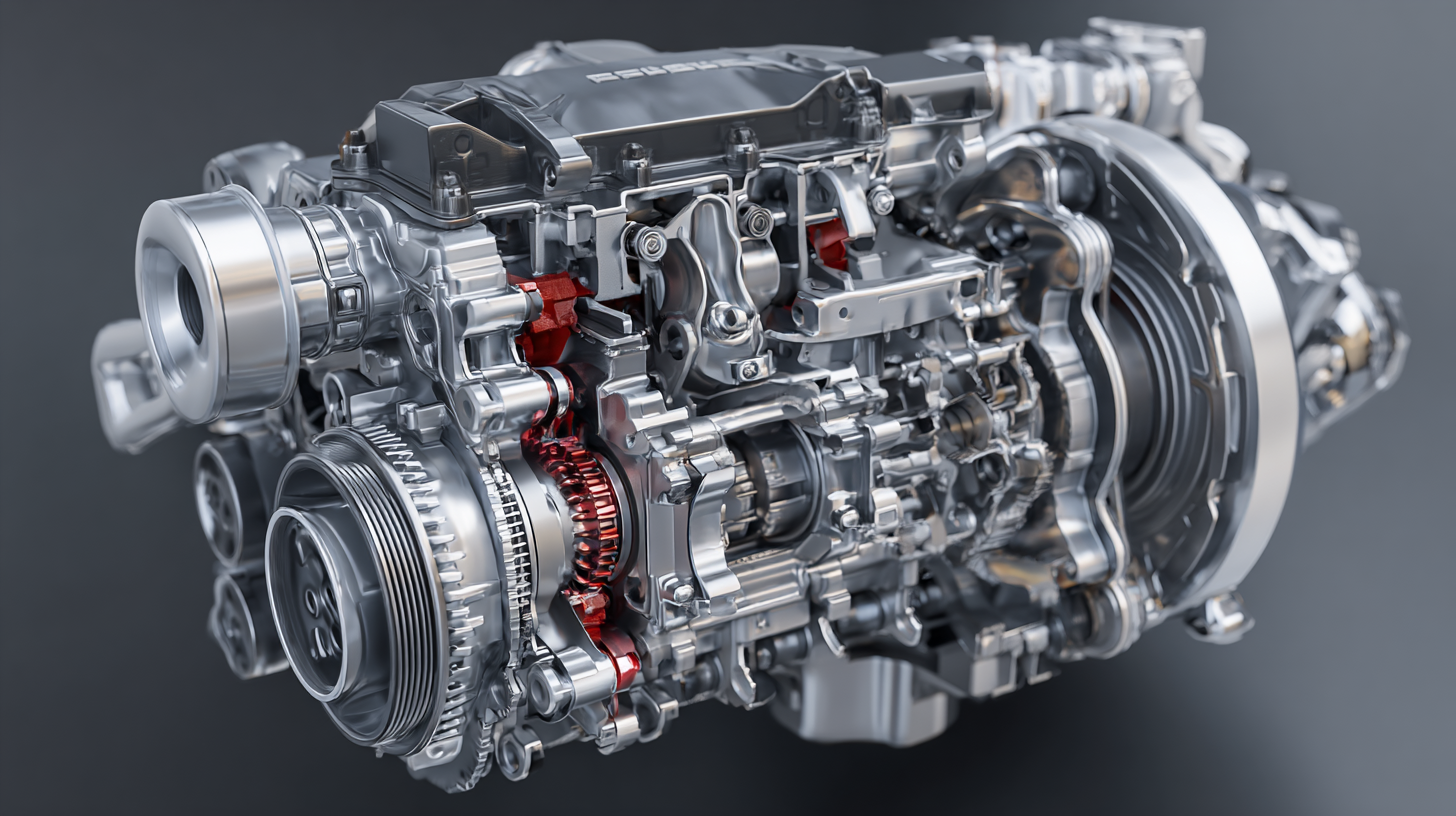
Unlocking Performance: Essential Tips to Optimize Your Car Engine Efficiency

Understanding Engine Efficiency: Key Concepts and Terminology

Understanding engine efficiency is crucial for both performance enthusiasts and everyday drivers. Engine efficiency is a measure of how well an engine converts fuel into usable power, with internal combustion engines typically achieving between 20-30% efficiency. This means that a significant portion of the energy content in fuel is wasted as heat rather than converted into motion. According to the U.S. Department of Energy, optimizing engine efficiency can lead to improved fuel economy and reduced carbon emissions, with a potential increase of 10-15% in efficiency through proper maintenance and operational techniques.

Key concepts in engine efficiency include the air-fuel ratio, thermal efficiency, and volumetric efficiency. The air-fuel ratio significantly influences combustion efficiency; an ideal mixture can improve engine output and reduce emissions. Meanwhile, thermal efficiency, often capped at around 30% for gasoline engines, can be increased by implementing technologies such as variable valve timing and turbocharging, which help extract more power from the same amount of fuel. Volumetric efficiency pertains to the engine's ability to fill its cylinders with air and is critical for maximizing power output.

Reports by the Society of Automotive Engineers have indicated that advancements in these areas are paving the way for the future of high-performance, eco-friendly vehicles.

Common Factors Affecting Car Engine Performance

Car engine performance is influenced by various factors that can significantly affect its efficiency and overall functionality. One primary factor is the quality of fuel used. High-octane fuels can enhance engine performance, allowing for better combustion and increased power output. Conversely, using low-grade fuel may lead to knock or pre-ignition, diminishing engine efficiency and potentially causing long-term damage.

Another critical aspect is regular maintenance. Neglecting routine checks such as oil changes, air filter replacements, and spark plug inspections can hinder engine performance. Dirty oil or clogged filters restrict airflow and increase friction within the engine, leading to inefficiencies. Additionally, tire pressure and alignment also play a significant role in performance; under-inflated tires can increase rolling resistance, which affects the engine's workload and overall fuel consumption. By addressing these common factors, car owners can ensure their engines operate at optimal levels, improving both performance and fuel efficiency.

Unlocking Performance: Essential Tips to Optimize Your Car Engine Efficiency - Common Factors Affecting Car Engine Performance

Factor Description Impact on Efficiency (%) Recommended Action
Engine Oil Quality The viscosity and quality of engine oil. 10% Use high-quality, manufacturer-recommended oil.
Air Filter Condition Clean and unobstructed air filter for optimal airflow. 8% Replace or clean air filter regularly.
Tire Pressure Properly inflated tires reduce rolling resistance. 5% Check tire pressure monthly.
Fuel Quality Use high-quality fuel free from contaminants. 15% Refuel at reputable stations.
Regular Maintenance Routine checks and services for engine health. 20% Follow the recommended maintenance schedule.

Essential Maintenance Tips for Optimal Engine Function

To achieve optimal engine function and enhance overall vehicle performance, regular maintenance is crucial. According to a report by the American Automobile Association (AAA), proper engine maintenance can improve fuel efficiency by up to 10%. This can translate into significant savings for drivers over time, emphasizing the importance of routine checks and maintenance practices.

One essential maintenance practice is to regularly change the engine oil and filter. The API (American Petroleum Institute) recommends changing the oil every 3,000 to 5,000 miles, depending on the vehicle and oil type. Clean oil ensures that engine components are well-lubricated, reducing friction and wear. Additionally, checking and replacing air filters can improve airflow to the engine, optimizing combustion and enhancing efficiency. Research indicates that a clean air filter can improve acceleration by up to 11%, contributing to better overall performance.

Another important aspect of engine maintenance is monitoring the cooling system. The Car Care Council notes that overheating is a common cause of engine failure, and maintaining proper coolant levels and regular radiator checks can prevent costly repairs. Ensuring that belts and hoses are in good condition can also help maintain engine efficiency by preventing leaks and maintaining proper pressure. These simple yet effective practices can significantly extend the lifespan of an engine while maximizing its performance.

Advanced Techniques to Boost Engine Efficiency

Advanced techniques are increasingly being utilized to enhance engine efficiency, with innovations redefining traditional components like the intake manifold. Customization has become a key focus, allowing engineers to tailor manifold designs that better suit specific engine characteristics, ultimately leading to improved power output and fuel consumption. This shift not only benefits performance but also aligns with the growing demand for more eco-friendly solutions in automotive engineering.

Additionally, the integration of advanced technologies, such as variable turbine geometry in turbochargers, is significantly enhancing emissions efficiency. These innovations make it possible for engines to operate at optimal performance levels while meeting stricter environmental regulations. Research is also underway to explore alternative fuels, such as biodiesel blended with nanoparticles, showcasing the industry’s commitment to sustainable energy sources. As these advanced techniques continue to be implemented, they promise to unlock greater efficiencies and performance in modern engines.

Unlocking Performance: Essential Tips to Optimize Your Car Engine Efficiency

The Impact of Fuel Quality on Engine Performance

Unlocking Performance: Essential Tips to Optimize Your Car Engine Efficiency Fuel quality plays a crucial role in determining engine performance and efficiency. High-quality fuel is formulated to burn more cleanly and completely, reducing the buildup of deposits in the combustion chamber and on injectors. This optimal combustion process leads to increased power output and better acceleration. Moreover, fuels with higher octane ratings prevent knocking, allowing the engine to operate smoothly and at its peak efficiency. Therefore, selecting the right fuel can significantly enhance overall driving experience and extend the lifespan of the engine.

Additionally, the presence of impurities in lower-quality fuels can adversely affect engine performance. Contaminants can clog fuel filters and injectors, leading to decreased fuel flow and engine misfires. Regular use of substandard fuel may result in costly repairs and more frequent maintenance. To mitigate these issues, car owners should prioritize high-quality fuel and consider periodic engine cleanings or fuel system treatments to maintain optimal engine health. Investing in quality fuel not only improves performance but also contributes to better fuel economy and reduced emissions.