
grandmark logoGrandmark International
@alexaseleno
Skip to main content

Why Choose LED Outdoor Headlamps for Wholesale Buyers?

Wholesale buyers need more than a bright product and attractive packaging. They need dependable performance, stable supply, and clear evidence behind every claim. A Led Outdoor Headlamp can support camping, maintenance, hiking, and emergency preparation when its design matches real working conditions. However, brightness alone does not guarantee customer satisfaction.

In practical purchasing evaluations, buyers should examine beam distance, runtime, charging methods, comfort, and water resistance. A headlamp that feels balanced during a two-hour trail matters more than impressive figures on a carton. Check battery protection, switch durability, strap adjustment, and heat management. Request test reports, material details, warranty terms, and production samples before placing large orders. Supplier transparency is a useful quality signal.

Wholesale success also depends on consistency. The first sample may perform well, while later batches reveal weaker switches or uneven charging ports. That possibility deserves honest attention. Ask how suppliers control assembly, inspect finished units, and trace battery batches. Review labeling and documentation for each target market, because requirements can differ. Independent testing may add cost, but it can reduce returns and protect retailer trust. A reliable Led Outdoor Headlamp should be practical, comfortable, and supported by accountable after-sales service. No product is perfect. The strongest buying decision recognizes limitations early and improves the specification before mass production.
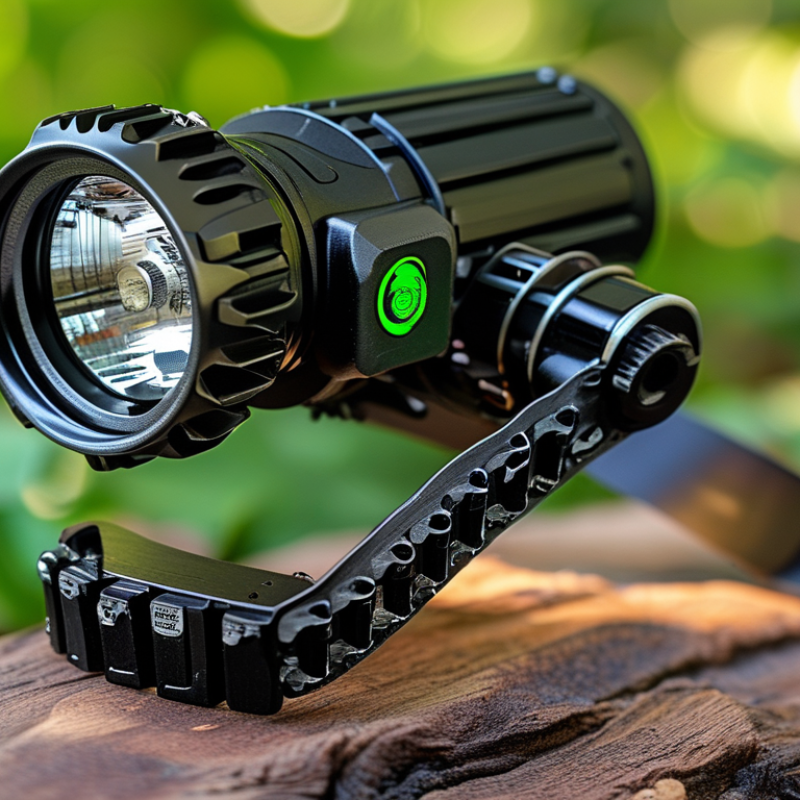
Why Choose LED Outdoor Headlamps for Wholesale Buyers?

What Are LED Outdoor Headlamps and How Do They Work?

LED outdoor headlamps are hands-free lighting devices designed for hiking, maintenance, cycling, and emergency work. They use a light-emitting diode, or LED, to convert electrical current into visible light. A rechargeable or replaceable battery supplies power. The driver regulates current, while a reflector or lens directs the beam toward a trail, ladder, or work surface.

The U.S. Department of Energy reports that modern LED packages can exceed 150 lumens per watt in suitable applications. This efficiency helps outdoor headlamps deliver strong illumination without bulky batteries. The LED produces light when electrons pass through a semiconductor junction. A phosphor layer usually changes part of the emitted energy into useful white light. Heat still matters. A small metal housing transfers heat away from the LED and protects performance during long use.

In wholesale purchasing, lumen output alone can mislead. Beam distance, battery capacity, runtime, color temperature, and water resistance also affect practical value. The International Energy Agency has documented LEDs’ rapid gains in efficiency and adoption across general lighting markets. That trend supports LED headlamps, but field results vary. A cold night may reduce battery runtime. A wider beam may feel brighter nearby, yet reach less distance. Buyers should request tested runtime data, charging-cycle information, and clear ingress-protection ratings. Some specifications remain optimistic. Careful sampling is still necessary.

Which Features Matter Most When Buying Headlamps Wholesale?

Why Choose LED Outdoor Headlamps for Wholesale Buyers?

Which Features Matter Most When Buying Headlamps Wholesale?

Wholesale buyers should examine light performance beyond advertised brightness. A practical headlamp needs a balanced beam for walking, repairs, and campsite tasks. Extremely high output can waste battery power and create uncomfortable glare. Beam distance, flood coverage, and adjustable brightness deserve equal attention.

Battery design affects customer satisfaction and repeat orders. Check runtime at several brightness levels, not only the lowest setting. Rechargeable models should use dependable charging protection and clear battery indicators. Replaceable batteries may suit remote users, but they increase inventory complexity. Small details matter.

Outdoor use also demands durable construction. Look for a secure head strap, sweat resistance, impact protection, and a stable tilt mechanism. A headlamp that slides during movement quickly loses value. Water resistance ratings should match documented testing, rather than vague packaging claims. Ask suppliers for inspection records and regional compliance documents.

In wholesale evaluation, inspect samples personally. Wear each model for thirty minutes. That test often reveals pressure points and weak switches. Check whether gloves can operate the controls. Review carton strength, accessory consistency, and defect rates from trial orders. A lower unit price may hide higher return costs. I have seen bright lamps fail because their straps stretched too quickly. This is easy to overlook. Suppliers should welcome measurable quality checks, though no sample can predict every field condition.

How Do LED Headlamps Benefit Outdoor Product Retailers?

For outdoor product retailers, LED headlamps turn a small shelf item into a practical problem-solver. The 2024 Outdoor Participation Trends Report from OIA counted 175.8 million U.S. participants aged six and older in 2023. That audience includes campers, runners, anglers, and workers needing hands-free light. Retailers can serve several uses with one compact SKU. Night walks. Tent setup. Emergency kits.

LEDs also support simpler operating economics. The U.S. Department of Energy states that LEDs use at least 75% less energy and can last up to 25 times longer than incandescent lighting. A headlamp is battery-powered, so actual savings vary with brightness, battery chemistry, and usage. That qualification matters. Fewer replacements may reduce complaints, while USB-C charging and adjustable beams create visible shelf value. In wholesale reviews, retailers should compare measured runtime, charge cycles, water resistance, weight, and packaging clarity. Brightness alone is weak evidence.

The category is not effortless. A 1,000-lumen claim may impress shoppers but drain a small battery quickly. Poor mode controls can frustrate users in cold rain. Retailers can reduce returns by requesting test data, beam-distance standards, IP ratings, and battery safety documentation. The 2024 OIA report also shows outdoor participation is broad, not limited to specialist athletes. That supports tiered assortments: basic lights for occasional users, durable models for frequent use, and rechargeable options for lower-waste preferences. Some buyers still overestimate premium features. Shelf education remains necessary.

Why Choose LED Outdoor Headlamps for Wholesale Buyers? - How Do LED Headlamps Benefit Outdoor Product Retailers?

The table below summarizes practical, standards-based factors that wholesale buyers can use when evaluating LED outdoor headlamps for retail distribution.

Evaluation Dimension Verified Data or Standard Benefit for Wholesale Buyers Retailer Value Recommended Verification
Light-source durability LED component life is commonly expressed using an L70 rating, meaning the time until light output reaches 70% of its initial level. Some LED components are rated up to 50,000 hours under specified test conditions. Supports a lower replacement expectation than conventional disposable-bulb designs, provided the complete product is well engineered. Creates a durable-product selling point for hiking, camping, work, and emergency-use categories. Request the LED manufacturer’s L70 test conditions and avoid presenting component life as guaranteed whole-product life.
Ingress protection Under IEC 60529, IPX4 protects against water splashes from all directions; IPX7 protects against temporary immersion in water up to 1 metre for up to 30 minutes under test conditions. Provides a clear, internationally recognized way to segment products by weather resistance. Makes product benefits easier to communicate for rain, camping, fishing, trail running, and emergency preparedness. Check the complete assembled headlamp, battery cover, charging port, and seals—not only the LED module.
Brightness measurement Lumens measure total light output, while candela measures peak luminous intensity. The ANSI/PLATO FL 1 standard provides methods for reporting portable-light performance such as light output, beam distance, runtime, and impact resistance. Improves comparison between suppliers and reduces the risk of relying on unsupported lumen claims. Helps retailers create clearer product tiers, such as compact, trail, and high-output models. Request test reports showing measured output, beam distance, and runtime under a stated standard or test method.
Runtime transparency Runtime depends on LED drive current, brightness mode, battery chemistry, temperature, and product design. A single runtime figure is not sufficient for comparing all operating modes. Enables more accurate inventory positioning and reduces customer complaints caused by unclear performance expectations. Multi-mode runtime information supports different use cases, from short tasks to overnight outdoor activities. Require runtime data for every major mode, including the point at which light output declines substantially.
Power options Outdoor headlamps may use disposable batteries, rechargeable lithium-ion batteries, or hybrid systems. Battery capacity should be stated in watt-hours or milliampere-hours together with voltage for meaningful comparison. Allows buyers to select products for different channels, including travel, emergency, professional, and everyday-use markets. Rechargeability can reduce repeat battery purchases, while replaceable batteries can be valuable where charging access is limited. Verify battery certification, charging protection, included accessories, charging time, and replacement-battery availability.
Beam control Wide beams provide broader near-field illumination, while focused beams provide greater intensity in a narrower direction. A tilt mechanism can direct light toward the ground or work area. Supports product segmentation without requiring a completely different product category. Different beam patterns appeal to runners, campers, mechanics, maintenance workers, and household users. Assess beam uniformity, hotspot control, adjustment range, and usability with gloves.
Wearability and ergonomics A headlamp’s comfort depends on total weight, weight distribution, strap adjustment, battery placement, and stability during movement. Reduces returns related to slipping, pressure points, or poor balance during extended use. Comfort is a strong differentiator in premium outdoor and workwear displays. Measure product weight with the battery installed and test the strap on helmets, caps, and bare heads where relevant.
Impact resistance ANSI/PLATO FL 1 includes a standardized impact-resistance test for portable lights. The result should be reported with the tested height and conditions. Provides a useful durability indicator for products exposed to drops during transport or outdoor use. Strengthens positioning for construction, maintenance, camping, and emergency-use shelves. Request test documentation and confirm that the tested configuration matches the final retail product.
Safety and compliance Electrical safety, battery transport, labeling, and recycling obligations vary by destination market. Lithium batteries are commonly subject to transport requirements such as UN 38.3 testing. Reduces customs, marketplace, and distribution risks when documentation is complete. Accurate labels and safety instructions improve consumer confidence and reduce misuse. Confirm destination-specific certifications, user instructions, battery documents, labeling, and packaging requirements before ordering.
Wholesale assortment strategy A practical range can be organized by use case: compact everyday models, weather-resistant camping models, rechargeable trail models, and high-durability work models. Makes inventory planning easier and allows buyers to cover multiple price and application segments. Clear assortment architecture improves shelf navigation and cross-selling with outdoor accessories. Compare expected sell-through, packaging dimensions, minimum order quantity, warranty terms, and spare-part support.
Reference basis: IEC 60529 ingress-protection classifications; ANSI/PLATO FL 1 portable-light performance test concepts; IES LM-80 terminology for LED lumen-maintenance testing; and UN 38.3 lithium-battery transport testing requirements. Actual performance should always be confirmed through product-specific test reports.

What Should Wholesale Buyers Consider Before Placing an Order?

Why Choose LED Outdoor Headlamps for Wholesale Buyers?

What Should Wholesale Buyers Consider Before Placing an Order?

Before placing a wholesale order, buyers should test brightness beyond the product page. Check measured lumens, beam distance, and runtime at each power level. A headlamp may advertise strong output but dim quickly after ten minutes. That matters during hiking, maintenance, and emergency roadside work. Request samples from the same production batch. Small differences can reveal inconsistent quality.

Examine the housing, strap, switch, and battery compartment closely. A firm switch helps users operate the lamp with cold or wet fingers. Adjustable straps should hold their shape without pressing painfully against the forehead. Look for suitable water resistance, but confirm the actual test standard and conditions. Do not treat a vague “weatherproof” claim as technical evidence. Check charging time, battery type, replacement options, and protection against overcharging. These details affect returns.

Wholesale buyers also need clear commercial terms. Confirm minimum order quantities, production schedules, carton dimensions, labeling, and inspection procedures. Ask whether spare straps, charging cables, or battery covers can be supplied separately. Packaging should protect lenses and switches during warehouse handling. A low unit price can become expensive after damage, delays, or customer complaints. It is easy to overvalue a polished sample. We sometimes do. Testing several units for brightness, charging, and drop resistance gives a more honest view. Keep written records, because memory is unreliable when comparing suppliers.

How Can Buyers Evaluate Suppliers, Quality, and Long-Term Value?

Why Choose LED Outdoor Headlamps for Wholesale Buyers?

Wholesale buyers should evaluate suppliers beyond lumen claims and low unit prices. The IEA’s Energy Efficiency 2023 report states that lighting uses about 15% of global electricity. Efficient LED headlamps can reduce battery replacement and operating costs. However, efficiency varies between models. Ask suppliers for measured runtime, beam distance, color temperature, and charging-cycle results. Request test reports linked to specific samples, not generic certificates. Check whether the supplier controls its LED bins, batteries, drivers, and waterproof seals. A bright beam is not enough.

Tips: Compare at least three suppliers using the same test conditions. Confirm IP ratings, impact resistance, and battery protection. Look for testing aligned with ANSI/PLATO FL 1 procedures and relevant IEC requirements. The U.S. Department of Energy’s 2023 Solid-State Lighting report notes that laboratory LED efficacy can exceed 200 lumens per watt, but finished products usually perform below that level. This gap deserves attention. Suppliers should explain thermal management, driver losses, and brightness regulation. Ask for samples before placing a large order.

Long-term value also depends on repairability and documentation. A replaceable strap, stable charging port, and clear battery specifications can reduce returns. One field lesson is simple: the brightest sample may not be the best seller. Users often need comfortable weight, steady output, and reliable switches during rain or cold work. Total cost should include freight, warranty claims, testing, and replacement parts. Some supplier promises remain vague. That is a warning, not a small detail.