2026 Best Bosch Filters for Global Buyers?
Global buyers need more than a familiar brand name when selecting bosch filters for 2026. They need verified fitment, stable supply, and measurable filtration performance. A filter may look correct on a warehouse shelf, yet still fail a specific engine, climate, or service interval.
Industry forecasts provide useful context. MarketsandMarkets estimates continued growth in the global automotive filters market through the decade, driven by vehicle production, stricter emissions requirements, and replacement demand. Mordor Intelligence also identifies air, oil, fuel, and cabin filters as major product categories, with regional demand shaped by vehicle age and maintenance habits. These reports offer direction, not a universal buying answer.
The IEA’s Global EV Outlook 2025 adds another important complication. Electric vehicle growth may reduce demand for some engine-related filters, while increasing attention toward cabin air quality and thermal-management components. Bosch’s annual reporting also highlights the importance of mobility aftermarket services and global supply networks. Availability matters.
For buyers in Europe, Asia, North America, Africa, and Latin America, the best choice depends on more than price. Dusty roads can shorten air-filter service life. Humid ports can expose packaging weaknesses. A crowded city may justify stronger cabin filtration. Part numbers, production dates, counterfeit checks, and local warranty support deserve equal attention.
There is no perfect ranking.
This guide compares leading bosch filters using application coverage, filtration claims, sourcing reliability, and buyer practicality. The evidence is useful, but not flawless. Market reports often combine different vehicle segments and regional assumptions. Buyers should confirm specifications with Bosch documentation and qualified distributors before placing large orders.
Bosch Filters Explained: Types, Functions, and Key Applications
Filters protect engines, hydraulic systems, and passengers from harmful particles. Their value depends on correct application, not appearance alone. A clean-looking filter may still have reached its service limit.
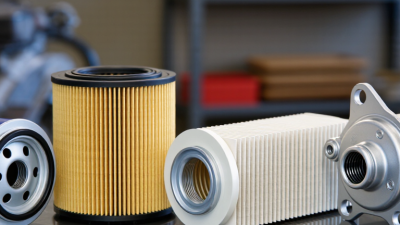
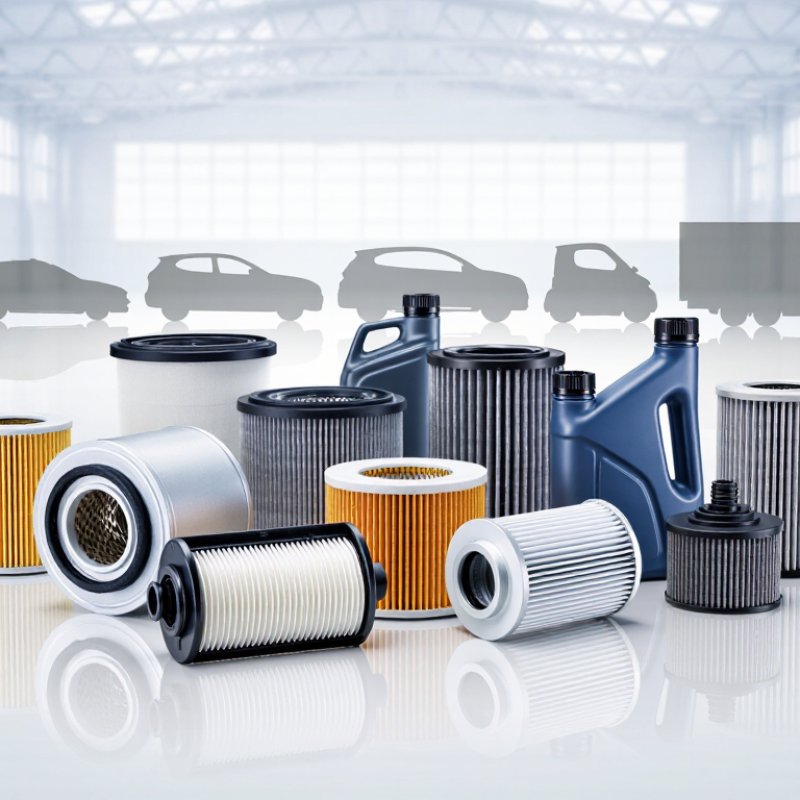
Engine air filters block dust before it enters the combustion chamber. Oil filters capture metal particles, carbon, and sludge within circulating lubricant. Fuel filters separate sediment and water from fuel systems. Cabin filters clean incoming air, while hydraulic filters protect pumps, valves, and actuators from fine contamination. Each type uses different media, seals, and pressure limits.
Choosing a filter requires more than matching a product photo. Check the equipment model, filter dimensions, thread size, flow direction, and operating temperature. For heavy-duty machinery, confirm pressure ratings and contamination capacity. In dusty regions, air filters may need earlier inspection. In humid environments, fuel filtration deserves closer attention. Small sealing errors can cause leaks or unfiltered flow.
Reliable buyers compare technical datasheets, test documentation, and traceable production information. Independent laboratory results are useful, but real service conditions matter more. A filter that performs well in a clean workshop may struggle on a construction site. This part is often underestimated. Replacement intervals should follow equipment guidance, then adjust after inspection records. No selection method is perfect. Dust loading, maintenance habits, and installation quality can change results. Used filters should never be judged by color alone. Look for deformation, moisture, damaged seals, or unusual pressure changes.
2026 Best Bosch Filters for Global Buyers?
Filters Explained: Types, Functions, and Key Applications
Filter selection depends on the required particle-removal efficiency, airflow resistance, equipment design, and application environment. The chart compares minimum integral efficiencies defined by the EN 1822 classification for high-efficiency air filters, measured at the most penetrating particle size (MPPS).
E10–E12 filters are commonly used for high-efficiency HVAC and industrial air-cleaning stages. H13–H14 filters are widely specified for healthcare, laboratories, cleanrooms, and other controlled environments. U15–U17 filters are intended for highly sensitive applications such as semiconductor and pharmaceutical manufacturing. Actual performance also depends on sealing, airflow, installation, and maintenance.
Reference framework: EN 1822 filter classification and minimum integral efficiency values at MPPS.
2026 Bosch Filter Selection Criteria for Global Buyers
For global buyers, filter selection should begin with the machine, not the catalogue.
Identify the exact application, fluid type, flow rate, pressure range, and operating temperature. A filter that fits physically may still perform poorly under real working conditions. Measure the housing, thread, seal position, and available installation space before ordering. Small errors cause expensive delays.
Field experience shows that efficiency ratings need careful interpretation.
Ask whether the test standard matches your operating environment. Check particle retention, pressure drop, dirt-holding capacity, and expected service life. A lower purchase price can hide frequent replacement costs. It may also increase maintenance interruptions. Very compact filters sometimes restrict flow faster than expected.
Global buyers should request batch traceability, inspection records, material details, and verified dimensional drawings.
Confirm packaging quality for humid or long-distance shipping. Regional certifications and language requirements can affect import clearance and installation. Supplier response time matters when equipment stops. I once accepted a compatible-looking substitute without checking seal material. It worked briefly, then leaked under heat. That mistake changed my buying checklist. Specifications deserve independent review, even when the supplier appears reliable. Ask for samples when tolerances are critical, and compare actual performance with the published data. Availability is useful, but dependable fit and documented testing matter more.
Comparing Bosch Filter Quality, Compatibility, and Performance
Global buyers should judge filters by evidence, not packaging claims. Quality begins with controlled materials, accurate pleats, stable seals, and clean assembly. S&P Global Mobility’s 2024 vehicle-age report places the average U.S. light vehicle age at 12.6 years. Older vehicles often need dependable replacement filtration. Yet age alone does not prove fit. A filter can look correct and still leak at the gasket.
Compatibility requires checking the exact engine code, production year, thread size, seal diameter, bypass-valve setting, and sensor clearance. For oil filters, ISO 4548-12 testing compares filtration efficiency, pressure loss, and contaminant capacity. For intake filters, ISO 5011 evaluates airflow, restriction, and dust collection under controlled conditions. These tests are useful, but real engines face rain, heat, vibration, and uneven maintenance. I have seen impressive laboratory numbers become less convincing after poor storage or a distorted seal. That weakness deserves attention.
Tips: Ask suppliers for batch traceability, test conditions, and beta-ratio data. Compare pressure drop at the same airflow. Measure the old filter before ordering. Keep photos of the gasket and connector. A low price may save money, but a wrong fit can create expensive downtime. Independent reports help, although they cannot replace vehicle-specific verification.
How to Verify Bosch Filter Authenticity and Purchase Safely
For global buyers, verifying a vehicle filter’s authenticity should begin before payment.
I compare the part number, application, dimensions, and stated filtration rating with the manufacturer’s official catalog. A genuine product usually has sharp printing, consistent spacing, and a clean, undamaged seal.
However, packaging quality alone proves very little.
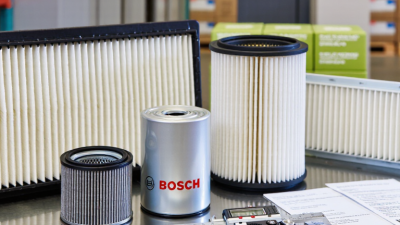
Inspect the box under bright light. Check the barcode, batch code, security label, and production details. Scan any verification code through the manufacturer’s official website, not a random link in an advertisement. The filter itself should have even pleats, firm end caps, and no loose fibers. An unusual smell, crooked label, or crushed edge deserves attention. Ask the seller for a tax invoice, return policy, warehouse photographs, and confirmation of compatibility. Sellers who avoid clear answers create unnecessary risk.
Tips:
Buy from an established distributor with traceable contact details. Match the code on the filter to the code on the box. Keep photos before installation. Do not rely on price alone. Very cheap products may be clearance stock, but they may also be incorrectly listed. I once trusted a neat-looking package too quickly; the dimensions were slightly wrong. That mistake reminded me to measure every critical point. Regional packaging can vary, so compare technical data rather than judging appearance alone. When verification remains uncertain, pause the purchase and request written evidence.