How to Choose the Right Car Engine for Your Vehicle?
Choosing the right car engine is not about chasing the biggest number on a specification sheet. It is about matching power, fuel use, and maintenance needs to the way you actually drive. A small turbocharged engine may feel lively on a short city commute, yet struggle when a vehicle regularly carries heavy loads. A larger engine can make towing easier, but it may bring higher fuel costs and more capacity than you need. Details matter. So does your budget.
Carroll Shelby, the racing driver and automotive designer, is often associated with the line, “There’s no substitute for cubic inches.” It captures one view of performance, not a universal buying rule. Engine displacement alone cannot tell you how a car will feel in traffic, on a steep road, or during a long trip. Compare power and torque figures, but also check the manufacturer’s fuel recommendations, service schedule, and warranty terms. Think about the roads you travel, the passengers you carry, and how long you plan to keep the vehicle. A hybrid powertrain may suit stop-and-go commuting; a conventional engine may better fit other routines. Neither is automatically right. A quiet detail can change the decision: a costly repair interval, limited local service, or a fuel requirement that does not fit your habits. It is easy to overvalue horsepower. I would question that instinct before buying. This guide explains how to weigh those trade-offs and choose a car engine that fits your needs, rather than an impressive spec sheet.
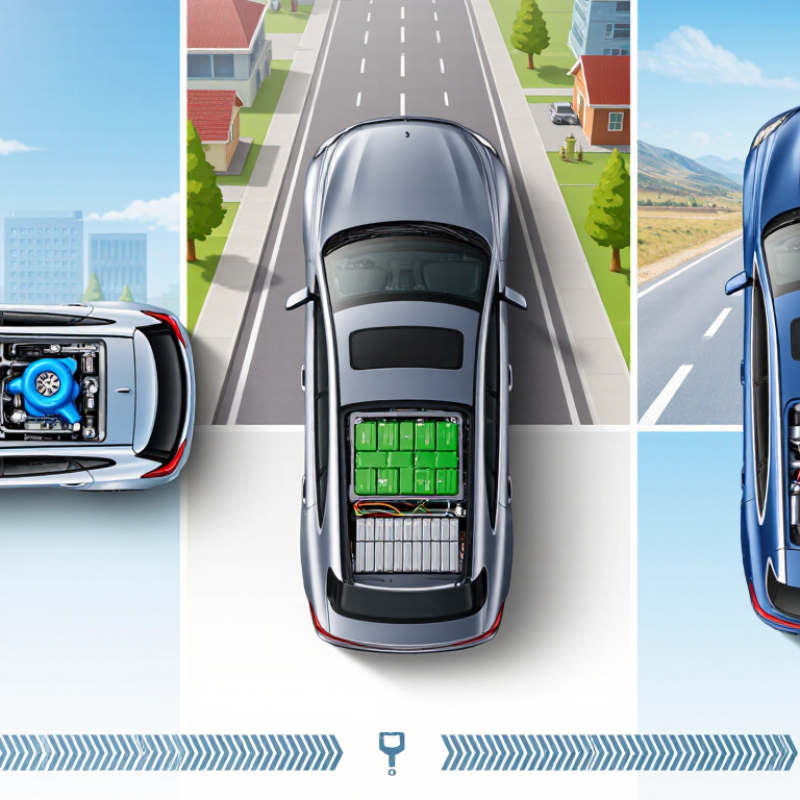
Identify Your Vehicle’s Engine Requirements
Before comparing engines, identify what your vehicle is designed to accept. Check the owner’s manual, under-hood emissions label, and engine identification code. These sources can specify displacement, fuel type, cylinder layout, and required output. Small details matter. Two engines with similar sizes may use different mounts, sensors, or transmission connections. Note the model year and drivetrain as well.
Match the engine to your actual driving needs. Frequent short city trips place different demands on an engine than regular towing or long highway drives. Consider the vehicle’s rated power, cooling capacity, and transmission limits together. More horsepower is not automatically a better fit. It may add heat or strain components that were not designed for it. A specification sheet can make a weak match look convincing; it is easy to overlook the supporting systems.
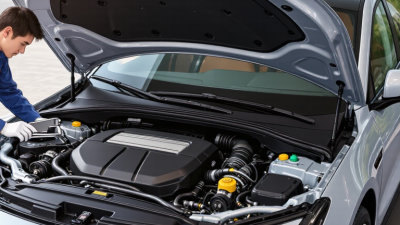
If you are replacing an engine, compare its code and compatible components with the original specifications. Confirm details such as wiring connectors, fuel system, and emissions equipment before buying. Ask a qualified mechanic to verify compatibility when records are unclear. That extra check can prevent costly surprises. I would not rely on appearance alone, even when the engine seems nearly identical.
How to Choose the Right Car Engine for Your Vehicle?
Identify Your Vehicle’s Engine Requirements
These approximate ranges illustrate common gasoline engine displacements by vehicle category; they are not fitment specifications. Before choosing an engine, check your vehicle’s owner’s manual or manufacturer specifications for the required engine type, displacement, fuel, and emissions equipment. Driving conditions and towing needs also matter.
Compare Engine Types and Fuel Options
How to Choose the Right Car Engine for Your Vehicle?
Compare Engine Types and Fuel Options
A gasoline engine is widely available and usually straightforward to refuel. A diesel engine can suit long highway trips or regular towing, but check its maintenance needs and local fuel access. Hybrid engines combine a combustion engine with electric power; they can reduce fuel use in stop-and-go traffic without requiring plug-in charging. Plug-in hybrids offer electric-only driving for shorter trips, provided you charge them regularly. Battery-electric vehicles have no combustion engine, but range, charging access, and cold-weather performance deserve a close look. No option fits everyone.
The U.S. Environmental Protection Agency’s 2024 Automotive Trends Report puts average new-vehicle fuel economy at 27.1 miles per gallon for model year 2023. That is a fleet average, not a promise about one car. The International Energy Agency’s Global EV Outlook 2024 reports nearly 14 million electric-car sales worldwide in 2023, roughly 18% of all car sales. Those figures show growing choice, not that electric power suits every route. Picture your weekday commute, a winter morning, and the nearest reliable charger. Then compare estimated fuel or electricity costs with purchase price and servicing. A spreadsheet can help, but it may miss inconvenient charging stops. I’d weigh real routines more heavily than a single efficiency number.
Evaluate Power, Efficiency, and Driving Needs
Choosing an engine starts with your daily route, not the biggest horsepower figure. Count how often you carry passengers, climb steep roads, or merge onto fast highways. A small engine can feel strained with a heavy load; extra power may sit unused in stop-and-go traffic. That trade-off matters. Check torque as well as horsepower, especially if you tow or drive on hills. Then compare official fuel-economy estimates for the exact vehicle configuration. The U.S. EPA’s 2024 Automotive Trends Report estimates that new vehicles averaged 27.1 miles per gallon in model year 2023. That is useful context, not a promise for your commute. Cold starts, short trips, cargo, and driving style can all change real-world consumption.
Match the engine to the work it must do. For city errands, a hybrid powertrain may suit frequent slowing and restarting; for long highway drives, compare cruising efficiency and passing response. If you regularly tow, check the vehicle’s rated capacity and required equipment before deciding. Numbers on a specification sheet can still mislead. I would compare test-drive feel with fuel costs, rather than trusting either alone. Notice whether acceleration feels smooth with the cabin loaded, and whether engine noise becomes tiring at highway speed. There is no perfect choice. Your needs may change, too, so leave room for that possibility.
Check Compatibility, Ownership Costs, and Emissions
Before comparing engine types, confirm the exact fit for your vehicle. Check the VIN, engine code, transmission, mounts, cooling system, and electronic controls. For a replacement, matching the model year alone is not enough. Emissions equipment and certification must also suit the vehicle and where it will be driven. A low-priced engine can bring extra labor or compatibility costs. Small mismatch, big bill.
Then estimate ownership costs using your real driving pattern. A larger engine may use more fuel, especially in stop-and-go traffic or during frequent short trips. The AAA 2024 Your Driving Costs report estimated average annual ownership and operating costs of $12,297 for a new vehicle driven 15,000 miles. That figure covers more than the engine, but it shows why purchase price is only one part of the calculation. Compare fuel economy, likely maintenance, and repair access. Check the details.
Emissions matter, too. The U.S. Environmental Protection Agency’s Automotive Trends Report for model year 2023 reported average real-world fuel economy of 27.1 miles per gallon for new vehicles. That fleet average is a reference, not a promise for your car. Look up the specific engine and vehicle configuration, and keep required emissions equipment intact. I find these comparisons can feel overly tidy; actual fuel use varies with weather, loads, and driving habits. A careful estimate is still better than guessing.
Match an Engine to Your Priorities and Budget
Choose an engine around the work your vehicle will actually do, not the number that looks impressive on a specification sheet.
For a short daily commute, moderate power and good fuel efficiency may matter more than rapid acceleration. If you regularly carry tools, climb steep roads, or tow within the vehicle’s rated limits, compare torque and cooling capacity, too. Start with your routine. A larger engine can add purchase and fuel costs, while a smaller one may feel strained under repeated heavy loads.
Set a total budget, not just a purchase-price ceiling. Include expected fuel use, routine servicing, insurance, and repair costs suggested by the vehicle’s service history. Ask a qualified mechanic to check compatibility, maintenance records, and signs of leaks or uneven running before you commit. Fuel-economy figures are estimates; traffic, weather, cargo, and driving habits can change real results.
I’d be careful about paying extra for power I rarely use. Still, this is easy to misjudge.
A test drive with an empty cabin may not show how the engine behaves when loaded. If your usual route includes a long hill, test that stretch when possible.