Sourcing auto windshields from China can offer global buyers a wide range of products and manufacturing options. The challenge is finding a supplier whose capabilities match the vehicle, market, and order size. A clear catalog is only a starting point. Buyers should check fitment details, glass construction, optical clarity, edge finishing, packaging, and export experience before making a decision.
This guide introduces ten Chinese suppliers for further evaluation. It considers practical factors such as product range, manufacturing information, quality-control practices, communication, and support for international orders. These details can help narrow a shortlist, but they cannot replace direct checks. Ask for current specifications, relevant test documentation, sample options, production timelines, and written warranty terms. Requirements also vary by destination, so confirm which standards and documents apply to your market.
No shortlist is perfect. Supplier information can change, and a strong first impression may not predict consistent production. That is worth remembering. Compare like with like, request clear answers, and verify important claims independently. A lower quoted price may look attractive, but packaging, defect handling, and dependable lead times matter too. Use this overview as a starting point—not a final endorsement—and choose a partner whose evidence and communication hold up under practical review.
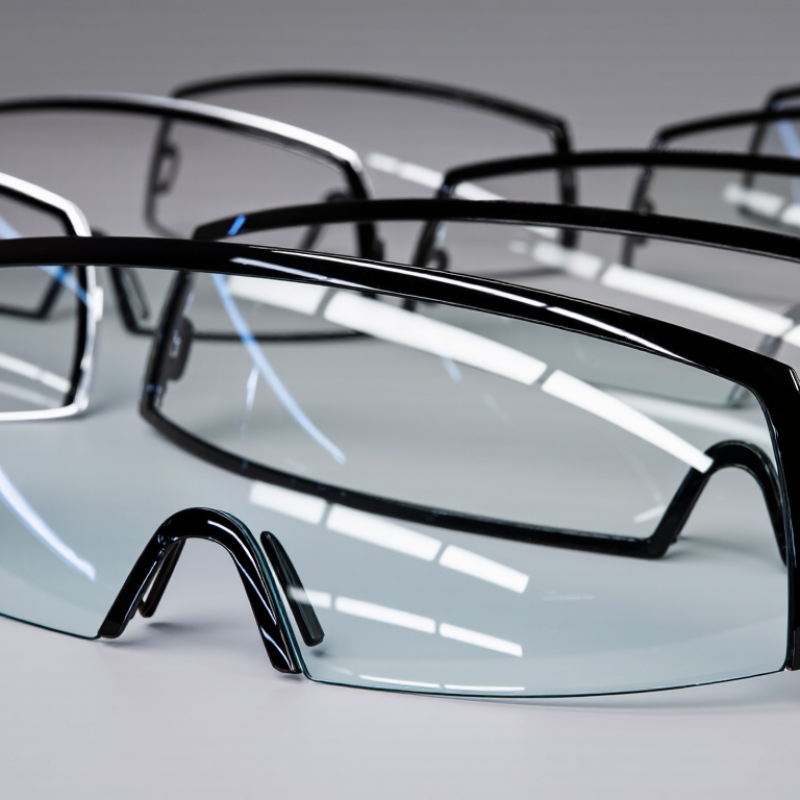
China’s auto windshield market is structured in layers, not as one uniform supplier group. Large glass producers supply the base material, while specialist processors cut, laminate, shape, and finish it for vehicle models. Some factories handle several stages in-house; others depend on partner facilities. That difference matters. It affects lead times, quality control, and how quickly a supplier can respond to a design change.
A buyer may also encounter OEM-focused suppliers, aftermarket producers, and export trading companies. Their capabilities can overlap, but their priorities differ. OEM work often involves close dimensional control and production planning. Aftermarket orders may involve a wider mix of vehicle patterns and smaller batches. Ask who makes the glass, who performs final inspection, and how production lots are tracked. Check samples for edge finish, optical distortion, curvature, and sensor or camera cut-outs. Packaging deserves attention too: a small shift in a crate can mean damaged corners on arrival. On paper, the structure looks tidy. In practice, supplier roles are not always clearly explained, so verify each step before placing a large order.
For global buyers, supplier selection should begin with documented safety performance, not a low quotation. OICA recorded about 93.5 million motor vehicles produced worldwide in 2023, underscoring the scale and variety of potential demand. Check whether the supplier can provide current test reports, batch traceability, and evidence that each windshield meets the regulations required in your destination market, such as UNECE Regulation No. 43 or applicable U.S. standards. Certificates alone are not enough.
Assess production consistency with practical questions: How are glass thickness, optical distortion, edge quality, and adhesive compatibility checked? Ask for sample inspection records and a clear process for handling defects. Confirm packaging protects corners and surfaces during sea freight, and compare lead times against actual capacity. A polished factory tour helps, but it cannot replace verifiable records. I would also check whether replacement parts and technical support remain available after the first shipment.
Tip: Request a small pilot order before scaling up. Inspect the glass in daylight, check labels against the paperwork, and record any damage on arrival. A low price may still leave gaps in testing or after-sales support. That deserves a second look.
| No. | Evaluation Criterion | Suggested Weight | What Global Buyers Should Verify | Why It Matters |
|---|---|---|---|---|
| 1 | Safety-glazing compliance | 15% | Request current test reports and confirm that the specific windshield type and target market are covered by applicable requirements. Examples include UN Regulation No. 43 for safety glazing and U.S. FMVSS No. 205, which incorporates ANSI/SAE Z26.1. | Automotive glazing requirements vary by destination market and product application. Compliance should be checked for the exact part and intended vehicle use. |
| 2 | Automotive quality-management system | 14% | Check the validity, scope, issuing body, and site coverage of quality-system certificates. IATF 16949 is an automotive quality-management standard; ISO 9001 is a general quality-management standard. | A certificate is useful evidence of a documented system, but buyers should also review audit findings, corrective-action processes, and production controls. |
| 3 | Product range and technical capability | 12% | Confirm available laminated and tempered glazing, dimensions, curvature, thickness, tint, acoustic options, solar-control options, and compatibility with required vehicle specifications. | Windshields are application-specific components. A supplier’s ability to match drawings, specifications, and approved samples is more important than a broad catalogue alone. |
| 4 | Optical quality and dimensional consistency | 11% | Review inspection records and sample parts for optical distortion, surface defects, edge quality, dimensions, curvature, and fit. Agree on measurable acceptance criteria before production. | Optical and fit-related defects can affect visibility, installation, sealing, and vehicle-system performance. |
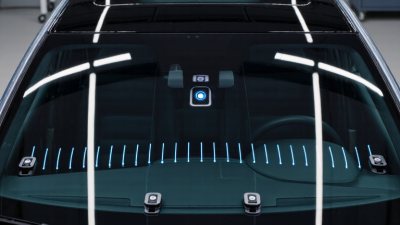
| 5 | ADAS, sensor, and camera-area compatibility | 10% | For vehicles with driver-assistance systems, confirm the camera or sensor mounting area, frit pattern, optical zone, bracket position, and any required calibration or installation information against vehicle specifications. | Windshield replacement or production variation can affect systems that rely on cameras or sensors mounted behind the glass. |
| 6 | Traceability and production controls | 10% | Ask how batches, raw materials, inspection results, and finished parts are identified and recorded. Review sample inspection plans and the process for handling nonconforming products. | Traceability supports investigation, corrective action, and consistent quality across repeat orders. |
| 7 | Capacity, lead time, and delivery reliability | 9% | Verify production capacity for the required part mix, typical lead times, order-planning process, peak-period arrangements, and documented on-time delivery performance. | Capacity claims should be assessed against the buyer’s actual order profile and agreed delivery schedule. |
| 8 | Export packaging and shipping readiness | 8% | Confirm packaging design for glass protection, container loading plans, handling labels, packing lists, and the supplier’s experience preparing export documentation for the destination market. | Glass is fragile and can be damaged during handling or transit. Packaging and documentation should be agreed before shipment. |
| 9 | Warranty, claims, and corrective action | 6% | Review written warranty terms, claim-submission requirements, response times, evidence requirements, and the process for root-cause analysis and corrective action. | Clear procedures help buyers resolve quality or transport issues and distinguish product defects from handling damage. |
| 10 | Commercial transparency and communication | 5% | Compare quotations for specification, tooling or setup charges, minimum order quantities, payment terms, Incoterms® rule and named place, and any costs excluded from the quoted price. | Comparable, complete quotations reduce misunderstandings about total landed cost and each party’s responsibilities. |
Note: The percentages are suggested buyer-assessment weights, not supplier ratings or verified performance data. Standards and market requirements should be confirmed for the exact product, vehicle application, and destination market.
China produced 30.16 million vehicles in 2023, according to the China Association of Automobile Manufacturers. OICA reported 93.55 million vehicles produced worldwide that year. These figures show the scale behind China’s windshield supply base, but production volume alone does not prove quality. These ten profiles are capability snapshots, not a verified ranking.
One supplier focuses on OEM-grade laminated glass. Another offers acoustic interlayers for quieter cabins. A third develops windshields compatible with head-up displays. A fourth makes solar-control coatings for hot climates. A fifth emphasizes consistent curvature and optical clarity. A sixth supports low-volume, customized orders. A seventh maintains broad export packaging options. An eighth highlights traceability from batch to shipment. A ninth supplies replacement glass across varied vehicle types. A tenth invests in automated inspection and process control.
Buyers should compare test records, defect-handling procedures, and delivery performance, not just catalog breadth. Ask for samples and inspection criteria before placing large orders. Look closely at edge finishing and distortion near the driver’s sightline. These details matter. Public production reports describe market scale, not individual factory performance. That gap is worth remembering.
Vehicle production provides a useful indicator of regional demand for automotive components, including windshields. The figures show vehicles produced, not windshield supplier output.
Source: OICA, 2023 production statistics. Figures are vehicles produced.
When comparing the top 10 auto windshield suppliers in China, look beyond catalog size. A dependable range may include laminated front glass, tempered side and rear glass, acoustic options, and sensor-ready designs. Ask whether suppliers can match your vehicle drawings, curvature, tint, and mounting points. Small fit differences matter.
Certifications need careful checking. Request current documents and confirm they cover the exact product, factory, and destination market. Standards such as UN R43 may be relevant, depending on where the glass will be sold. A certificate image alone proves little. Check test dates and issuing details.
Production capability shows up on the factory floor. Ask about glass cutting, bending furnaces, lamination, autoclaves, inspection, and batch traceability. Can the supplier show records for a recent production run? How are chips, optical distortion, and edge quality checked? Also compare monthly capacity, sample lead times, packing, and breakage procedures. A large stated capacity does not guarantee steady quality. That distinction is easy to miss. Some details may remain unclear until trial orders; plan for that uncertainty and document acceptance criteria before production begins.
Sourcing a windshield supplier in China starts with a precise specification, not a price comparison. Define the vehicle models, glass type, dimensions, tint, sensor openings, and required markings. Send drawings and reference samples where available. Small differences in curvature can cause fitting problems.
Ask each supplier for a current product catalogue, quality-control procedures, and test reports tied to the proposed glass. Check that report details match the product and production site. Request production samples, then inspect edge finish, optical distortion, printed areas, and packaging. A clear view matters. So does careful handling.
Verify the factory address and manufacturing capability through a live video call or an independent site visit. Ask to see cutting, shaping, lamination, and inspection stages, rather than relying on polished showroom footage. Confirm lead times, minimum order quantities, defect handling, and replacement terms in writing. I have seen buyers focus too heavily on unit price; that can leave freight damage or inconsistent batches unresolved. Before a large order, place a smaller trial order and compare the delivered glass with the approved sample. Keep inspection records and label photos by batch. Packaging details may seem minor, but weak corner protection can turn a good production run into costly breakage.
© 2025 Grandmark International. All rights reserved.
© 2020 Grandmark. Grandmark International. All rights reserved. Proud shareholder of Temot International.